 Pin it
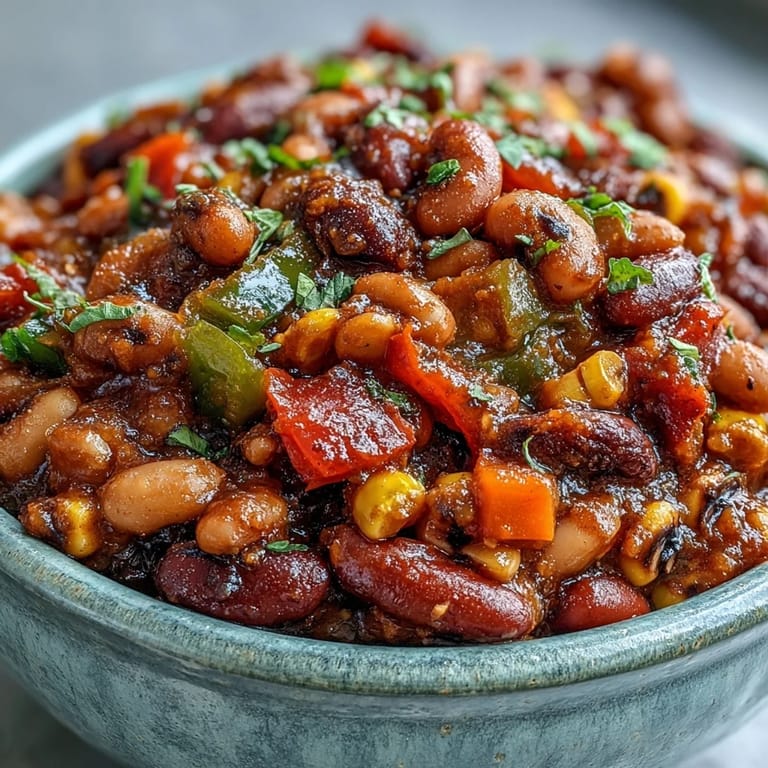
 My neighbor brought over a pot of black-eyed pea chili on a cold Tuesday evening, and I watched the steam rise from the bowl as she ladled it out with this genuine warmth. The peas had this tender, almost buttery texture I'd never expected, and the spices made my kitchen smell like autumn was happening indoors. I asked for the recipe that night, scribbling notes on the back of an envelope, and now it's become my go-to when I want something that feels both comforting and a little bit adventurous.
I made this for my book club last spring when everyone was tired of the same old salads, and watching people go back for thirds told me everything I needed to know. Someone asked if the black-eyed peas were a Southern tradition, and I realized this chili was like a bridge between regions, respectful to its roots but completely its own thing. That night, the conversation shifted from rushed to relaxed, the kind of meal that gives people permission to linger.
Ingredients
- Black-eyed peas: Use cooked ones if you have time to cook from dried, but canned works just as well and saves you an hour; rinse them thoroughly to reduce sodium and any metallic taste.
- Kidney beans: These add earthiness and help create that layered, complex flavor foundation that makes the chili feel substantial.
- Onion, garlic, bell peppers, carrot, and celery: This is your flavor base, and dicing everything roughly equal helps them cook evenly and create a balanced sweetness.
- Canned diced tomatoes: Buy whole peeled tomatoes if you can and crush them yourself; the taste difference is subtle but real.
- Corn kernels: Fresh is wonderful in summer, but frozen corn brings a natural sweetness that works year-round and actually holds its texture better when simmered.
- Vegetable broth: Low-sodium broth lets you control the salt and taste the actual vegetables, not just salt crystals.
- Tomato paste: This small amount concentrates the tomato flavor and adds depth that fresh tomatoes alone can't achieve.
- Olive oil: About 2 tablespoons to start, but you can taste as you go and add more if it feels dry.
- Ground cumin: Toast your spice jar by holding it close to a warm pot; the aroma tells you it's ready to work its magic.
- Chili powder: The backbone of the whole dish, so taste your brand before committing; some are spicier than others.
- Smoked paprika: This ingredient is what makes people say your chili tastes like a campfire in the best way.
- Dried oregano: A small amount, because this herb can take over if you're not careful.
- Cayenne pepper: Optional and worth tasting before adding; heat builds with simmering, so go easy at first.
Tired of Takeout? 🥡
Get 10 meals you can make faster than delivery arrives. Seriously.
One email. No spam. Unsubscribe anytime.
Instructions
- Build your base:
- Heat the olive oil in a large pot over medium heat and add your diced onion, garlic, carrots, celery, and both bell peppers. Let them soften for 5 to 7 minutes, stirring now and then, until the onions turn translucent and the kitchen starts smelling like something good is happening.
- Wake up the spices:
- Stir in the cumin, chili powder, smoked paprika, oregano, and cayenne if using, cooking for about a minute until the spices are fragrant and coating the vegetables. This moment is important; you're essentially blooming the spices in the oil so they release their full flavor.
- Deepen with tomato paste:
- Add the tomato paste and cook for another minute, stirring constantly so it caramelizes slightly against the bottom of the pot. This small step adds a savory richness that you'll taste in every spoonful.
- Add the liquid and legumes:
- Pour in the diced tomatoes with their juice, vegetable broth, black-eyed peas, kidney beans, and corn, stirring everything together until well combined. Bring the mixture to a gentle boil, which usually takes about 5 minutes.
- Simmer and meld:
- Reduce the heat to low, cover the pot, and let it simmer for 25 to 30 minutes, stirring occasionally and adjusting the heat if it's bubbling too vigorously. The vegetables should become tender, and the flavors will start talking to each other.
- Taste and adjust:
- After simmering, taste the chili and add salt and black pepper to your preference, keeping in mind that flavors concentrate as it sits. If you want it thicker, mash some of the peas and beans right in the pot with the back of your spoon.
- Serve with joy:
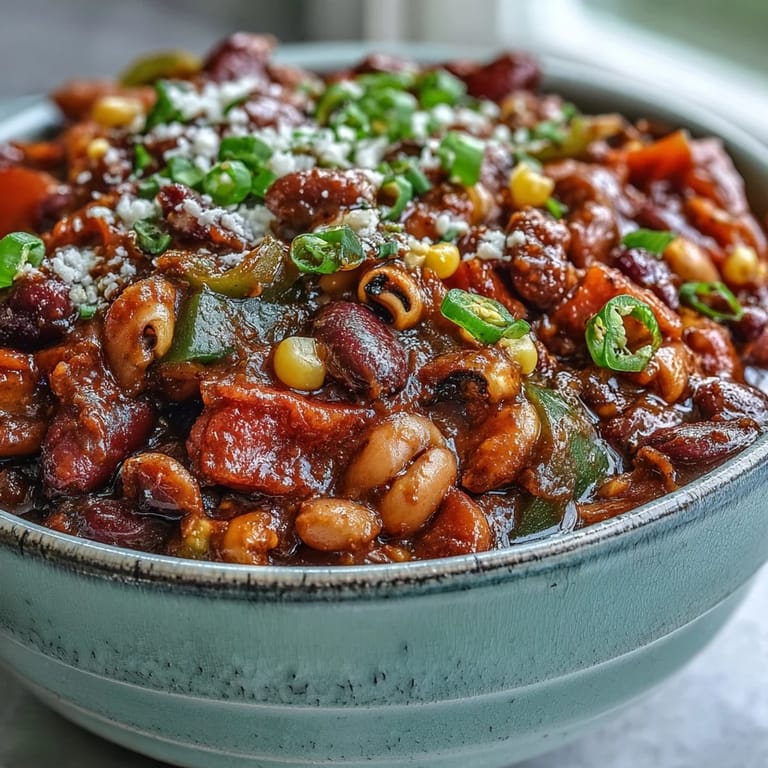
- Ladle into bowls and top with fresh cilantro, a dollop of sour cream, jalapeño slices, or shredded cheese, letting everyone customize their own experience.
 Pin it
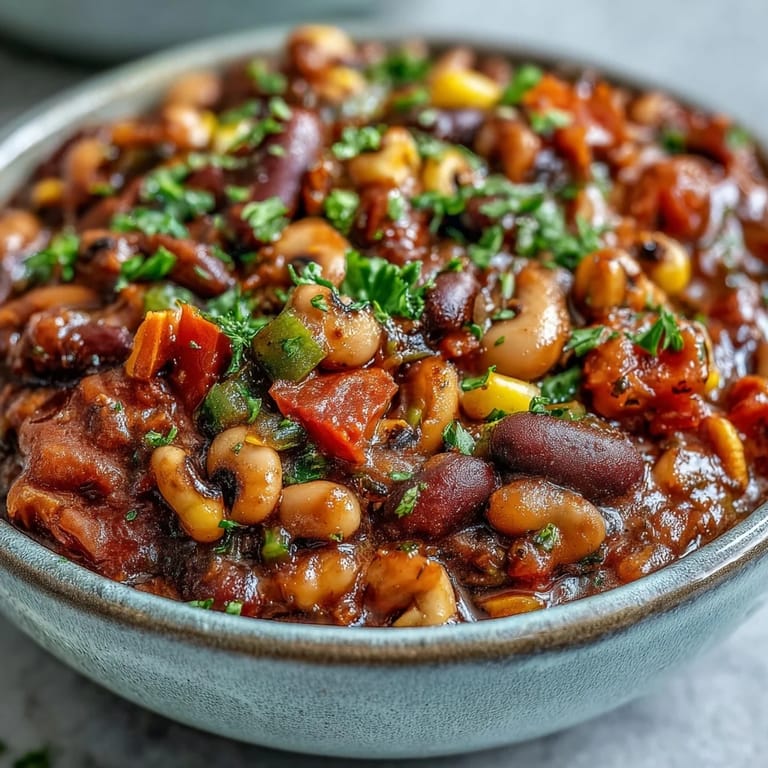
 What strikes me most about this chili is how it sits beautifully on the stove while you're doing other things, filling your whole house with this cozy, spiced-up comfort that has nothing to do with cold weather or seasons. It's become the kind of dish I make when I want to feel grounded, when I need proof that simple ingredients can become something worth remembering.
Why Black-Eyed Peas Matter
Black-eyed peas have this creamy, tender texture that's completely different from the firmer chew of kidney beans or black beans, and they absorb flavors without falling apart. There's something almost delicate about them, which is why they work so beautifully in a chili that's supposed to be warming and earthy but not heavy. The slight nuttiness they bring is what makes people say this tastes different from other chilis they've had, in the best way possible.
Building Layers of Flavor
Every step in this recipe builds on the one before it, starting with the soft sweetness of sautéed vegetables, then the warm depth of bloomed spices, then the savory richness of tomato paste, and finally the complexity of everything simmering together. I learned this approach from watching a chef cook once, and it completely changed how I make chili, stew, or anything that's supposed to taste like more than just ingredients thrown together. The simmering time matters because it's when the flavors actually stop being separate and start becoming one cohesive, delicious thing.
Customizing Without Losing the Heart
This chili is flexible in beautiful ways; you can swap in pinto beans, add diced sweet potato or zucchini, serve it over rice instead of with cornbread, or skip the toppings entirely if you're in a minimalist mood. The base is strong enough to handle changes because the spices and the black-eyed peas are doing the heavy lifting flavor-wise. Here are the quick tweaks that work best:
- Add a diced sweet potato or zucchini in step one alongside the other vegetables for extra nutrition and a subtle sweetness.
- Substitute pinto beans or black beans if that's what you have, though black-eyed peas really are worth tracking down for this one.
- If you want it thicker, mash about a quarter of the peas and beans right in the pot after simmering, which thickens it without changing the flavor.
 Pin it
 Every time I make this, I'm reminded that the best meals are the ones that feel like someone cared enough to cook slowly and thoughtfully. This chili is proof that vegetarian food can be just as satisfying and memorable as anything else.
Recipe FAQs
- → Can I use dried black-eyed peas instead of canned?
Yes, soak 1 cup dried black-eyed peas overnight, then cook them in boiling water for 45-60 minutes until tender before adding to the chili. Drain and use as directed in the recipe.
- → How spicy is this chili?
The base version is mildly spiced with warmth from cumin and chili powder. The optional cayenne pepper adds heat you can adjust to your preference. Start with 1/8 teaspoon if you're sensitive to spice.
- → Can I freeze leftovers?
Absolutely. This chili freezes beautifully for up to 3 months. Cool completely, then store in airtight containers or freezer bags. Thaw overnight in the refrigerator and reheat gently on the stovetop.
- → What can I serve with this chili?
Cornbread is a classic pairing, but it also works well over steamed rice, with tortilla chips for dipping, or wrapped in a flour tortilla as a burrito filling. A simple green salad balances the hearty flavors nicely.
- → How can I make the chili thicker?
Mash about 1/2 cup of the cooked beans with a fork or potato masher before returning them to the pot. You can also let it simmer uncovered for the last 10-15 minutes to reduce the liquid slightly.
- → Can I add meat to this dish?
Certainly. Brown 1 pound of ground beef, turkey, or diced chicken with the vegetables in step 1. Drain any excess fat before proceeding with the spices and remaining ingredients.