 Pin it
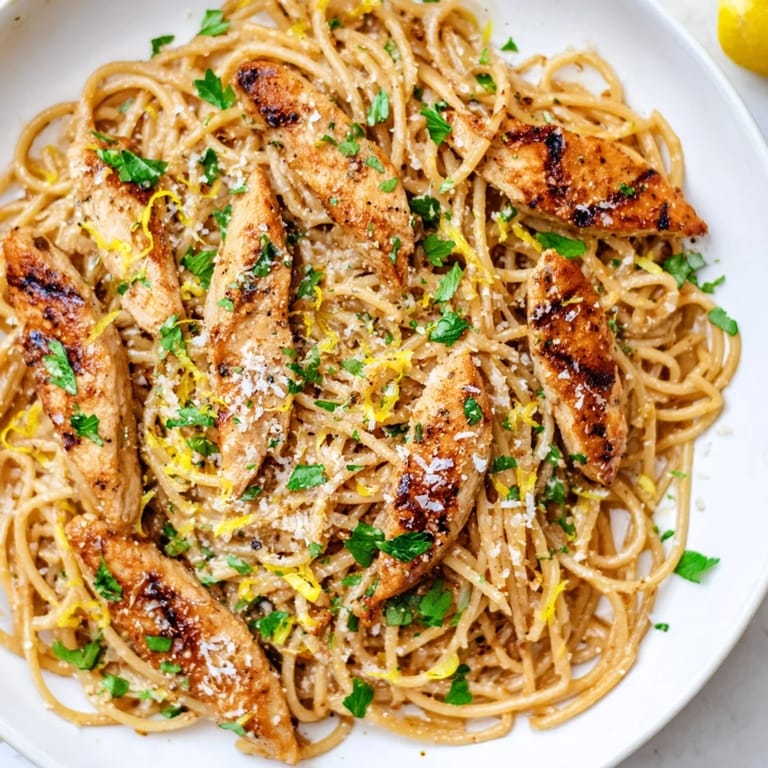
 The kitchen smelled like burnt hazelnuts, but it wasn't hazelnuts at all. I'd left the butter in the pan just a few seconds too long while answering a phone call, and when I turned back, the skillet was releasing this deep, toasty perfume that made me freeze mid-sentence. That little mistake turned into one of my favorite weeknight tricks: browning butter until it's just shy of too far, then tossing it with hot pasta, lemon, and whatever protein I've got on hand. Now I make this Brown Butter Lemon Chicken Pasta on purpose, and I never answer the phone while the butter's going.
I served this to a friend who swore she didn't like lemon in savory dishes. She finished her plate before I'd even sat down, then asked if there was more in the kitchen. Watching her twist the spaghetti around her fork with that surprised little smile reminded me how a single pop of citrus can completely shift a dish from cozy to vibrant. We ended up sitting at the table for an hour, polishing off the rest of the pasta and talking about how the simplest ingredients often make the best meals.
Ingredients
- Boneless, skinless chicken breasts: Slicing them into strips helps them cook faster and gives you more golden, crispy edges, which means more flavor in every bite.
- Kosher salt, black pepper, garlic powder: This trio seasons the chicken without overpowering the delicate brown butter and lemon that come later.
- Dried spaghetti: Long noodles are perfect here because they wrap around the chicken and catch all that buttery, lemony goodness in every forkful.
- Unsalted butter: Browning butter transforms it from a simple fat into something nutty and complex, so using unsalted lets you control the seasoning perfectly.
- Lemon zest and juice: The zest brings floral brightness, while the juice adds tang, and together they cut through the richness of the butter like magic.
- Garlic: Just two cloves, minced fine, release their sweetness into the brown butter without turning harsh or bitter.
- Crushed red pepper flakes: Optional, but a pinch adds a whisper of heat that makes the lemon and butter feel even more alive.
- Parmesan cheese: Freshly grated melts into the sauce and adds a salty, umami depth that ties everything together.
- Fresh parsley: Stirred in at the end, it brings a pop of color and a hint of grassy freshness that balances the richness.
- Olive oil: Used to sear the chicken, it gives you a good crust without burning before the butter goes in.
Tired of Takeout? 🥡
Get 10 meals you can make faster than delivery arrives. Seriously.
One email. No spam. Unsubscribe anytime.
Instructions
- Boil the pasta:
- Bring a big pot of salted water to a rolling boil and cook the spaghetti until it's al dente, with just a little bite left in the center. Before you drain it, scoop out half a cup of that starchy pasta water, it's liquid gold for bringing the sauce together later.
- Season the chicken:
- Pat the chicken strips dry with a paper towel, then sprinkle them evenly with salt, pepper, and garlic powder. Dry chicken sears better and gets that golden crust you're after.
- Sear the chicken:
- Heat the olive oil in a large skillet over medium high heat until it shimmers, then add the chicken in a single layer. Let it sit untouched for three to four minutes per side so it develops a beautiful golden color, then transfer it to a plate and cover loosely with foil.
- Brown the butter:
- Lower the heat to medium and add the butter to the same skillet, letting it melt and foam. Keep swirling the pan gently until the butter turns a rich amber color and smells like toasted nuts, about three minutes, but watch it closely because it can go from perfect to burnt in seconds.
- Add aromatics:
- Toss in the minced garlic, red pepper flakes if you're using them, and lemon zest, stirring for about thirty seconds until the garlic releases its fragrance. This step builds layers of flavor right into the butter.
- Toss everything together:
- Add the drained spaghetti, seared chicken, lemon juice, and half the Parmesan to the skillet, tossing everything with tongs so the pasta gets coated in that glossy brown butter. If it looks dry, add the reserved pasta water a splash at a time until the sauce clings to the noodles.
- Finish and season:
- Pull the skillet off the heat and stir in the parsley and remaining Parmesan, then taste and adjust with more salt or pepper if needed. The residual heat will melt the cheese into the sauce without making it greasy.
- Serve:
- Plate the pasta immediately while it's still steaming, with extra lemon wedges on the side for anyone who wants an extra hit of brightness.
 Pin it
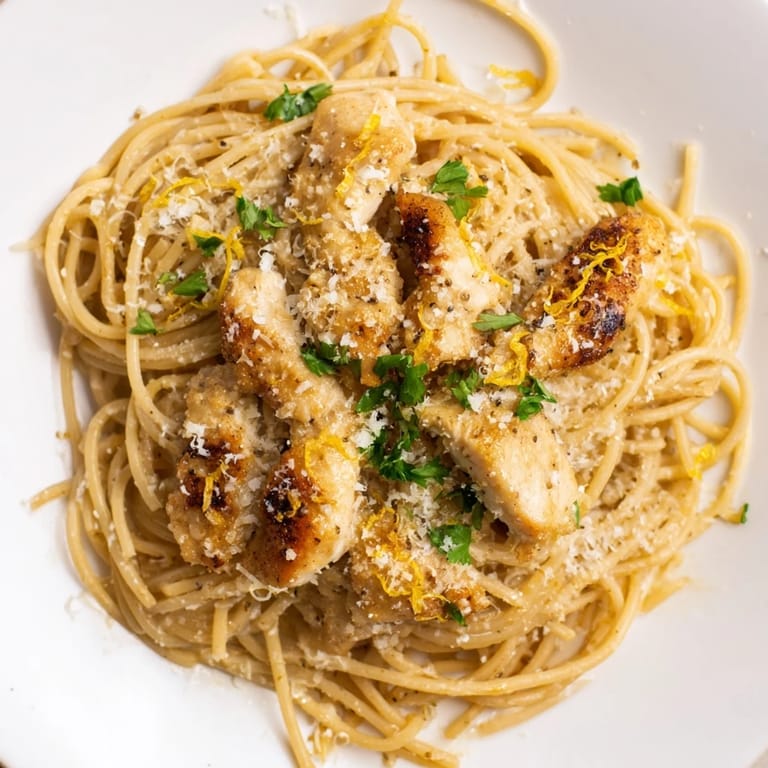
 One night I made this for myself after a long day, planning to eat it straight from the skillet while catching up on a show. But as soon as I twirled the first bite, I ended up turning off the TV and just sitting there, savoring the way the lemon brightened every mouthful and the brown butter left this warm, nutty finish. Sometimes a dish is so good it demands your full attention, and this one earned it without even trying.
Making It Your Own
This recipe loves a little improvisation. Swap the chicken for shrimp and you've got a lighter, quicker version that cooks in half the time. If you want it vegetarian, skip the protein entirely and toss in some sautéed mushrooms or roasted cherry tomatoes for substance. I've even added a splash of heavy cream to the sauce when I wanted something a bit richer, and it turned the dish into something almost decadent without losing that bright lemon edge.
Pairing and Serving
A crisp white wine like Sauvignon Blanc or Pinot Grigio cuts through the butter beautifully and echoes the citrus notes in the pasta. If you're not drinking, sparkling water with a squeeze of lemon does the same job. I like to serve this with a simple arugula salad dressed in olive oil and a pinch of salt, the peppery greens balance the richness without competing for attention. Crusty bread on the side is never a bad idea, especially for soaking up any sauce left on the plate.
Storage and Reheating
Leftovers keep well in an airtight container in the fridge for up to three days. When you reheat, add a splash of water, broth, or even a little more lemon juice to the pan and warm it gently over medium low heat, stirring until the sauce loosens up and coats the pasta again. The microwave works in a pinch, but the stovetop method brings back that silky texture much better.
- Store the pasta and chicken together so the flavors keep mingling.
- If you're meal prepping, undercook the pasta slightly so it doesn't turn mushy when reheated.
- A fresh sprinkle of Parmesan and parsley right before serving makes leftovers taste just made.
 Pin it
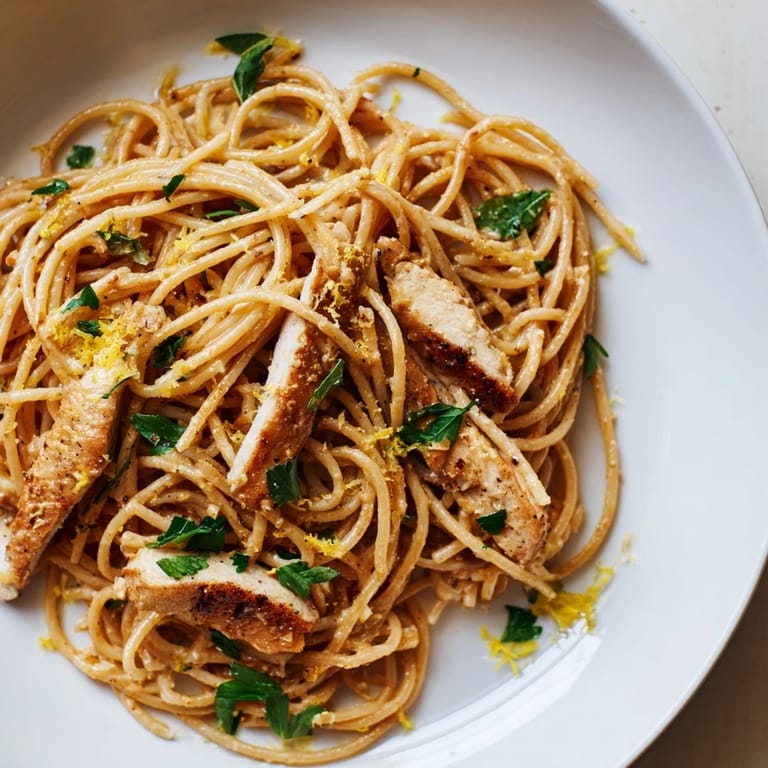
 This dish has become my answer to busy weeknights and last minute guests alike, proof that a handful of simple ingredients and a little attention can turn into something that feels like a gift. I hope it finds a spot in your rotation too.
Recipe FAQs
- → How do I know when the brown butter is ready?
The butter will foam and turn a golden-amber color with a nutty aroma after about 3 minutes on medium heat. Watch carefully as it can burn quickly. You'll see browned milk solids at the bottom—this is exactly what you want for that rich, toasted flavor.
- → Can I prepare the chicken ahead of time?
Yes, you can sear the chicken up to 2 hours in advance and store it in the refrigerator. Reheat gently in the skillet with the brown butter sauce just before tossing with pasta to maintain tenderness.
- → What if I don't have fresh parsley?
Fresh parsley adds brightness, but you can substitute with fresh basil, mint, or chives. Dried parsley works in a pinch—use about 2 teaspoons instead of 2 tablespoons, as dried herbs are more concentrated.
- → How can I make this dish vegetarian?
Omit the chicken and add vegetables like sautéed mushrooms, asparagus, or sun-dried tomatoes. You could also include white beans for protein. The brown butter-lemon sauce works beautifully with plant-based additions.
- → Why is reserved pasta water important?
Pasta water contains starch that helps emulsify the sauce, creating a silky coating on the noodles rather than a greasy puddle. Start with a splash and add more until you achieve your desired consistency.
- → Can I use fresh pasta instead of dried spaghetti?
Yes, fresh pasta works wonderfully and cooks much faster—just 2-3 minutes. Reduce the pasta water you reserve slightly, as fresh pasta releases less starch than dried varieties.