 Pin it
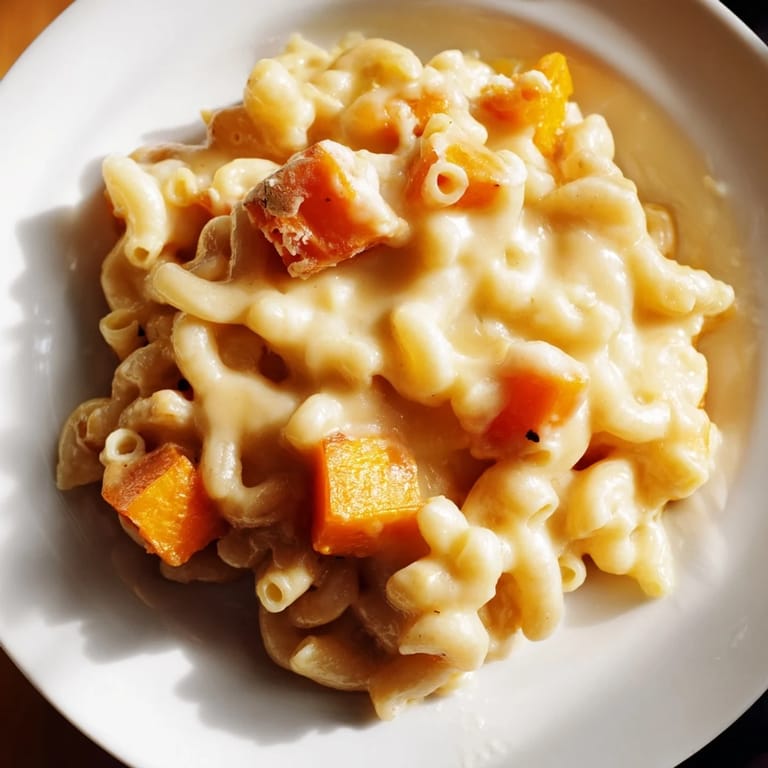
 There's something about autumn that makes me crave butter and cheese in equal measure, and this butternut squash mac happened almost by accident one October afternoon. I'd roasted too much squash for a side dish and had a block of Gruyère sitting on the counter, and suddenly I was wondering what would happen if I blended the two into a sauce. The answer was revelatory—creamy, nutty, with this subtle sweetness that made the dish feel both indulgent and somehow lighter than traditional mac and cheese.
I made this for friends on a cool evening when everyone was tired and hungry, and watching them take that first bite—how their faces just softened—I realized this dish does something special. It's the kind of food that brings people together not because it's complicated, but because it's honest and warm and tastes like someone cared enough to think about what makes them happy.
Ingredients
- Elbow macaroni or small shells, 340 g (12 oz): Small shapes work better than long pasta here because they nestle into the sauce and catch the flavor in every bite.
- Butternut squash, 500 g (1 lb), peeled and cubed: Buy pre-cut if you're short on time—your hands will thank you, and there's no shame in that.
- Olive oil, 1 tbsp: Just enough to help the squash caramelize and release its natural sweetness in the oven.
- Salt and black pepper, 1/2 tsp and 1/4 tsp: Season the squash generously before roasting so the flavor develops, not just at the end.
- Unsalted butter, 2 tbsp: Use real butter for the roux—it matters more here than you'd think.
- All-purpose flour, 2 tbsp: This is your thickener, and it works best when cooked gently until just golden, not brown.
- Whole milk, 480 ml (2 cups): Full-fat milk makes a difference in creaminess; don't use skim and expect the same magic.
- Sharp cheddar cheese, 120 g (1 cup), grated: Sharp cheddar has the personality this dish needs; mild won't give you enough depth.
- Gruyère or fontina cheese, 60 g (1/2 cup), grated: Gruyère adds a nutty complexity, but fontina works if that's what you have and tastes equally lovely.
- Nutmeg, 1/8 tsp: Just a whisper—this is the secret ingredient that makes people ask what makes it taste so good.
- Dijon mustard, 1/2 tsp: A touch of mustard brightens the cheese and keeps the sauce from feeling one-dimensional.
- Panko breadcrumbs, 30 g (1/4 cup): Optional, but if you make the broiled topping, panko gets crispier and more satisfying than regular breadcrumbs.
- Melted butter and parmesan for topping: Toss these with the panko for a golden, buttery crust that adds textural contrast.
Tired of Takeout? 🥡
Get 10 meals you can make faster than delivery arrives. Seriously.
One email. No spam. Unsubscribe anytime.
Instructions
- Roast your squash until it's tender and starting to caramelize:
- Preheat the oven to 200°C (400°F), toss your cubed squash with olive oil, salt, and pepper, and spread it on a baking sheet. After about 20-25 minutes, it should be soft inside and a little golden at the edges—you'll know by how easily a fork pierces it. This step isn't just cooking; it's developing the sweetness and depth that makes this sauce special.
- Get your pasta cooking while the squash roasts:
- Bring a large pot of salted water to a boil and cook your pasta according to package instructions until it's al dente, meaning it still has a slight firmness to the bite. Drain it and set it aside, but don't rinse it—that starch helps the sauce cling.
- Blend the roasted squash into silk:
- Once the squash is cool enough to handle, put it in a blender with about 1/2 cup of milk and blend until it's completely smooth. This creates the base of your sauce, and how smooth you get it determines the final texture.
- Make a simple roux without any lumps:
- Melt your butter in a large saucepan over medium heat, then stir in the flour and let it cook for 1-2 minutes until it's lightly golden and smells toasty. This step creates the thickener for your sauce, and you want it to cook just long enough to lose the raw flour taste but not so long that it browns.
- Whisk in the milk gradually to build a silky sauce:
- Add the remaining 1 1/2 cups of milk slowly, whisking constantly to prevent lumps from forming. Keep whisking for about 3-4 minutes until the sauce thickens enough to coat the back of a spoon—you'll feel it go from thin to luxurious right in your hands.
- Fold in the squash puree and melt the cheeses into the sauce:
- Add your blended squash, then stir in the cheddar and Gruyère, nutmeg, and mustard, mixing until everything is melted and smooth. Taste it and adjust the salt and pepper—this is your moment to make it taste exactly right.
- Combine the pasta and sauce with a gentle hand:
- Add the cooked pasta to the sauce and stir until every piece is coated. Don't be aggressive; you want the pasta to stay whole and intact.
- Optional: Add a crispy, golden topping:
- If you want texture, transfer the mac to a lightly greased baking dish, mix panko with melted butter and parmesan, sprinkle it over the top, and slide it under the broiler for 2-3 minutes until it's golden and crisp. Watch it carefully because broilers are moody and things can brown fast.
- Serve it warm and celebrate your work:
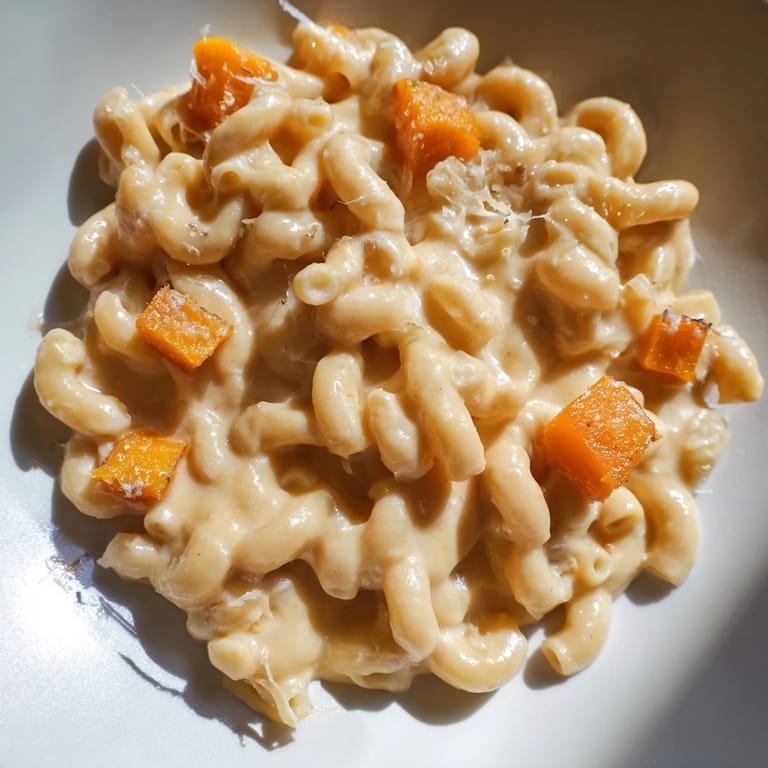
- Plate it while it's still hot, and if you want, add a handful of fresh herbs or extra cheese on top. This dish is best enjoyed right after it comes together.
 Pin it
 I remember one evening when my partner took a bite and closed their eyes, and in that quiet moment I understood why comfort food matters so much—it's not about the ingredients, it's about someone saying 'I care enough to make something good for you.' This dish does that without needing to be complicated.
Why This Twist Works
The thing about butternut squash is that it has this natural affinity for cheese—both are rich and a little sweet, and together they create a sauce that feels indulgent without being heavy. The nutmeg and mustard are the quiet workers here, adding complexity that keeps the dish from tasting one-dimensional or overly sweet. It's a gentle elevation of a classic that doesn't try too hard to be fancy; it just improves on something everyone already loves.
Variations and Add-Ins
I've made this recipe dozens of ways depending on what I had on hand and what I was in the mood for. Sometimes I add sautéed spinach or kale for a boost of greens, and the earthiness plays beautifully against the sweetness of the squash. Other times I'll stir in crispy bacon or shredded cooked chicken if I want more protein, though then it's no longer vegetarian. You can also swap the Gruyère for fontina if you want something a touch milder, or even use a good melting mozzarella if that's your preference.
Serving and Pairing
This dish sits at that perfect intersection where it feels like a main course but also like the warmth of a side dish, which makes it incredibly versatile. A simple green salad with a sharp vinaigrette cuts through the richness, and if you want to get fancy, a glass of crisp Chardonnay or a light-bodied white wine makes the whole meal feel special. It also reheats beautifully the next day, making it great for meal prep or for those nights when you want something home-cooked but don't have energy to start from scratch.
- Leftovers taste even better the next day as the flavors meld together, so don't hesitate to make this for just yourself with plans to enjoy it again.
- If it thickens too much when cold, a splash of milk stirred in over low heat brings it back to creamy life without breaking it.
- Broil the panko topping fresh just before serving if you want it at its crispiest rather than mixing it in ahead of time.
 Pin it
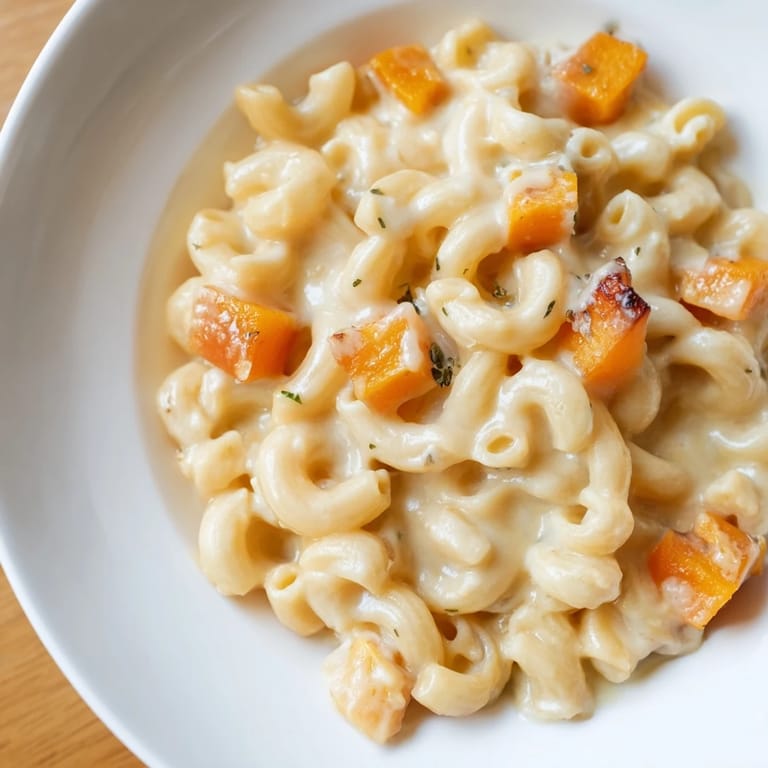
 This butternut squash mac and cheese has become my go-to when I want to cook something that feels like love on a plate. It never fails to make people happy.
Recipe FAQs
- → How do I roast the butternut squash properly?
Toss peeled and cubed squash with olive oil, salt, and pepper. Roast at 200°C (400°F) for 20–25 minutes until tender and caramelized.
- → Can I use different types of pasta?
Yes, elbow macaroni or small shells work best as they hold the creamy sauce well.
- → What cheeses are recommended for the sauce?
A mix of sharp cheddar and Gruyère or fontina provides a rich, balanced flavor and smooth melt.
- → Is the topping necessary?
The panko and parmesan topping is optional but adds a delightful crunchy texture when broiled briefly.
- → Can I add vegetables or proteins?
Sautéed spinach or kale can be included for extra greens; cooked chicken or bacon can add protein but change the dish’s vegetarian status.