 Pin it
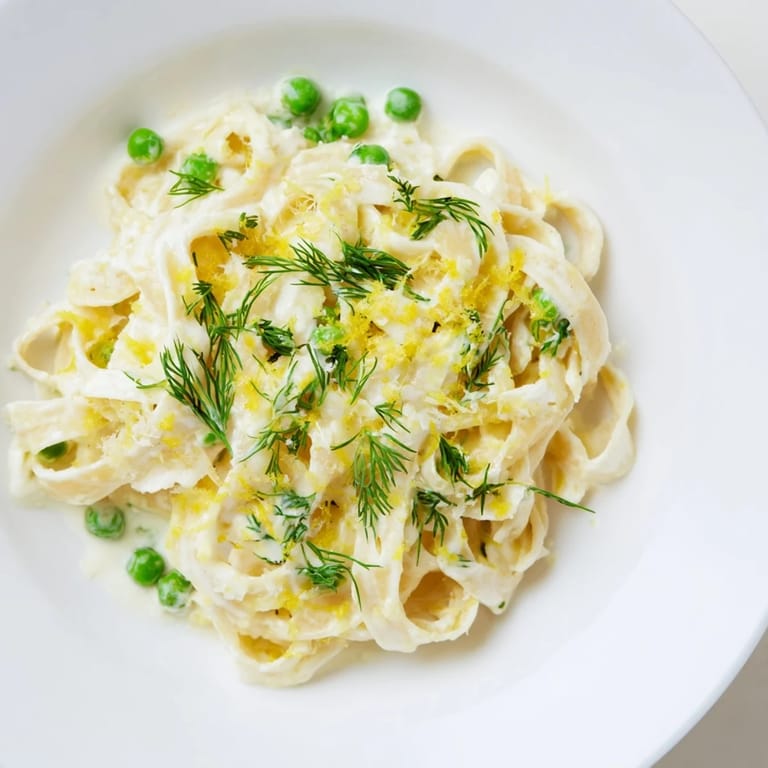
 There's something about the way lemon and dill play together that makes me stop mid-chew and smile. Years ago, I was cooking for someone who'd just moved back to town, and I wanted something that felt both special and uncomplicated. This pasta came together almost by accident—I had cream, fresh dill from the farmer's market, and half a lemon on the counter—and somehow it became the dish we still talk about.
I made this for a dinner party once where someone arrived stressed about work, and by the second bite, the whole table just relaxed. There's something about how the lemon zest catches the light in the cream, how the dill scents the air—it signals good food without any pretense. That's when I realized this wasn't just a quick weeknight pasta; it was something people actually remembered.
Ingredients
- Dried pasta (350 g): Fettuccine, linguine, or penne all work beautifully; the shape doesn't matter as much as getting it to exactly al dente, which takes practice but makes all the difference.
- Unsalted butter (2 tbsp): This is your base—use real butter, never margarine, because the flavor carries through the entire dish.
- Fresh garlic (2 cloves): Mince it fine and let it sauté just until fragrant; burned garlic will ruin the whole sauce.
- Lemon zest (from 1 lemon): This tiny addition is what makes people ask what's in it; don't skip it or use bottled.
- Heavy cream (200 ml): Cold cream straight from the fridge works best; it emulsifies better than room temperature.
- Fresh lemon juice (2 tbsp): Squeeze it just before cooking so it's bright and alive in the sauce.
- Dijon mustard (1 tsp): Acts as an emulsifier and adds subtle depth without tasting like mustard.
- Salt and black pepper: Always taste as you season; cream masks salt, so you'll likely need more than you think.
- Parmesan cheese (40 g): Grate it fresh if possible, and stir it in off heat so it melts into the sauce smoothly.
- Fresh dill (3 tbsp): This is the soul of the dish; it should smell grassy and bright, never wilted or brown.
- Optional peas (1 cup): They add sweetness and texture; frozen peas are fine and sometimes better than fresh.
- Optional smoked salmon (150 g): Flake it gently and add at the very end so it doesn't break apart.
Tired of Takeout? 🥡
Get 10 meals you can make faster than delivery arrives. Seriously.
One email. No spam. Unsubscribe anytime.
Instructions
- Start the pasta:
- Fill a large pot with water, salt it generously like the sea, and bring it to a rolling boil. Add the pasta and cook until al dente, tasting a minute before the package says it's done because pasta continues to soften in the sauce.
- Build the sauce foundation:
- While the pasta cooks, melt butter in a large skillet over medium heat. Add the minced garlic and lemon zest, stirring until everything smells incredible—about 1 minute.
- Create silkiness:
- Pour in the cold cream, then add lemon juice and Dijon mustard. The mixture will bubble gently; let it simmer for 2 to 3 minutes, stirring occasionally, until it thickens just slightly.
- Add richness and flavor:
- Stir in the grated Parmesan, salt, and black pepper, moving off the heat briefly if the sauce threatens to boil. The cheese should melt into the sauce without breaking it.
- Bring it together:
- Drain the pasta, saving that starchy pasta water like liquid gold. Toss the hot pasta into the skillet, stirring gently and adding pasta water a splash at a time until the sauce coats every strand with a silky sheen.
- Finish bright:
- Fold in the fresh dill and peas if using, tossing gently until everything is warm and well combined. Taste and adjust seasoning one more time.
 Pin it
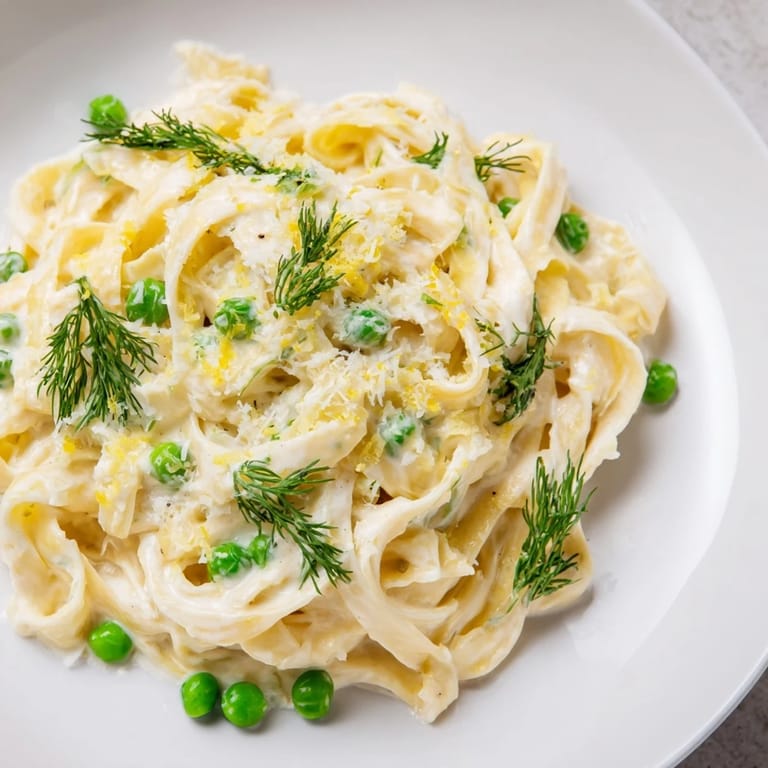
 The first time I served this without the garnish of fresh dill on top, someone asked why it looked so plain. Adding that final sprinkle of green, that final whisper of fresh herb, made it feel complete—like the dish was dressed properly for the table. Small details like that turned something fast into something that felt made with care.
Why This Sauce Works
A good cream sauce balances richness with brightness, and this one gets there through lemon and dill rather than heavy spices. The zest adds flavor without the tartness of juice alone, while dill gives it an herbaceous edge that cream alone could never achieve. Dijon mustard seems like an odd addition until you taste how it holds the sauce together and adds subtle complexity.
Timing and Temperature Matter
This dish lives or dies by keeping everything warm without letting the sauce split or the pasta break apart from over-stirring. The moment you add hot pasta to the warm sauce, keep the heat at medium or lower; you want to coat the pasta gently, not scramble the cream. If the sauce seems too thick, thin it with pasta water one tablespoon at a time rather than adding more cream, which would make it heavier.
Serving and Storage
Serve this immediately after it comes together, because the sauce continues to thicken as it cools. Leftover pasta can be refrigerated and gently reheated with a splash of milk or pasta water, though it's honestly best fresh. A chilled glass of Sauvignon Blanc pairs beautifully, cutting through the cream while echoing the lemon.
- If you're adding smoked salmon, do it at the very end so the heat doesn't dry it out or make it rubbery.
- For a lighter version, replace heavy cream with half-and-half or crème fraîche, though the sauce will be less luxurious.
- Sautéed mushrooms, asparagus, or even spinach can be stirred in to add vegetables without changing the core flavor.
 Pin it
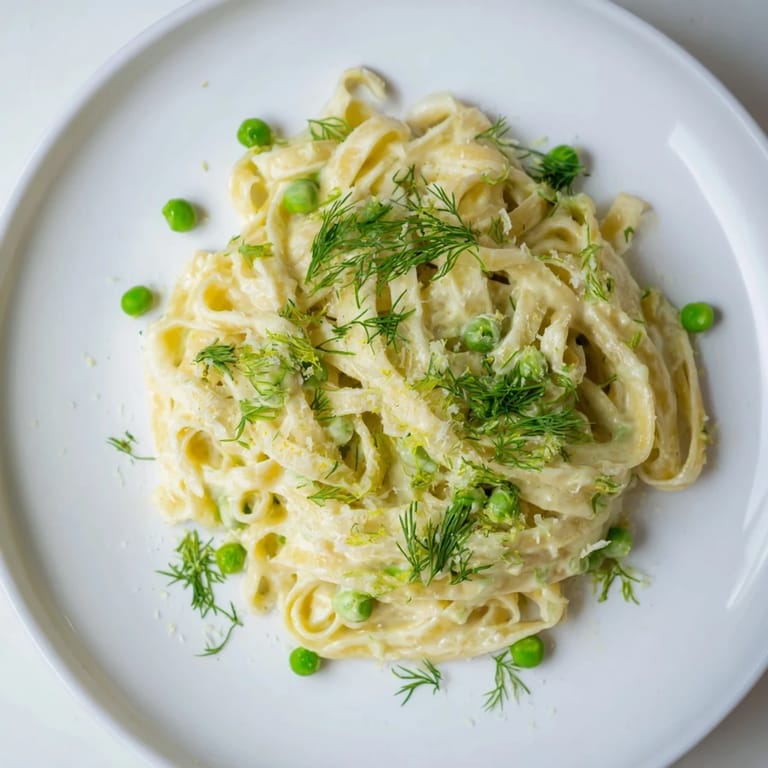
 This is the kind of pasta you make on nights when you want something special but don't have time to fuss. It reminds me that some of the best dishes come from working with what you have on hand and trusting your instincts.
Recipe FAQs
- → What type of pasta works best with this dish?
Fettuccine, linguine, or penne are excellent choices for holding the creamy dill sauce well.
- → Can I replace heavy cream with a lighter alternative?
Yes, half-and-half can be used for a lighter, less rich consistency without sacrificing much of the texture.
- → Is it possible to make this vegetarian-friendly?
Omit smoked salmon and Parmesan or substitute with a vegetarian cheese alternative to maintain the dish's integrity.
- → How can I add more vegetables to this dish?
Consider including sautéed mushrooms, asparagus, or fresh peas to boost nutritional value and add variety.
- → What wine pairs well with this pasta?
A chilled glass of Sauvignon Blanc complements the fresh dill and lemon notes perfectly.
- → Should the pasta water be reserved during cooking?
Yes, reserving some pasta water helps create a silky sauce texture when combined with the cream mixture.