 Pin it
 My daughter used to push anything green to the edge of her plate, until the night I served spaghetti with this sauce and she asked for seconds. She had no idea she'd just eaten three kinds of vegetables. I stood at the stove that evening, blending carrots and zucchini into a pot of tomatoes, wondering if I was being sneaky or just smart. Either way, watching her twirl that pasta changed how I thought about cooking for picky eaters.
I started making this sauce on Sunday afternoons when I had a little extra time and a fridge full of vegetables that needed using up. The kitchen would fill with the smell of garlic and tomatoes simmering, and I'd pour myself a glass of wine while the sauce bubbled away. My husband would wander in, taste it straight from the spoon, and never guess what was blended in there. It became my quiet trick for turning a regular weeknight pasta into something that felt both indulgent and responsible.
Ingredients
- Carrots: They add natural sweetness and a silky texture when pureed, plus they blend invisibly into the red sauce.
- Zucchini: This mild vegetable bulks up the sauce without changing the flavor, and it practically melts into the tomatoes.
- Spinach: It wilts down to almost nothing and disappears completely once blended, leaving only nutrients behind.
- Onion and garlic: These build the flavor base, softening into the sauce and giving it that savory depth you expect from Italian cooking.
- Olive oil: A good quality oil makes everything taste richer and helps the vegetables soften without sticking.
- Crushed tomatoes: The backbone of the sauce, choose a brand that tastes sweet and bright, not metallic.
- Tomato paste: This concentrates the tomato flavor and thickens the sauce, making it cling to pasta perfectly.
- Oregano and basil: Dried herbs work beautifully here, releasing their flavor slowly as the sauce simmers.
- Salt, pepper, and sugar: The sugar is optional, but a pinch cuts through any acidity and balances the whole pot.
- Parmesan cheese: Stirring this in at the end adds a nutty, salty finish that makes the sauce taste like it simmered all day.
Tired of Takeout? 🥡
Get 10 meals you can make faster than delivery arrives. Seriously.
One email. No spam. Unsubscribe anytime.
Instructions
- Start with the aromatics:
- Heat the olive oil in a large saucepan over medium heat, then add the onion and garlic. Let them sizzle and soften for about three minutes, stirring occasionally so the garlic doesn't brown.
- Add the hidden vegetables:
- Toss in the chopped carrots and zucchini, stirring them into the fragrant oil. Cook for five to seven minutes, letting them soften and start to release their moisture.
- Wilt the spinach:
- Add the spinach and watch it shrink down in about two minutes. It will look like a lot at first, then practically vanish into the pot.
- Build the sauce base:
- Pour in the crushed tomatoes and stir in the tomato paste until everything is combined and smooth. The kitchen will start to smell like an Italian grandmother's house.
- Season and simmer:
- Sprinkle in the oregano, basil, salt, pepper, and sugar if you're using it, then bring the sauce to a gentle simmer. Cover the pot and let it cook on low heat for twenty minutes, stirring every so often to keep it from sticking.
- Blend until smooth:
- Remove the pot from the heat and let it cool for a few minutes, then use an immersion blender to puree everything until the sauce is completely smooth and velvety. If you're using a countertop blender, work in batches and be careful with the hot liquid.
- Finish and serve:
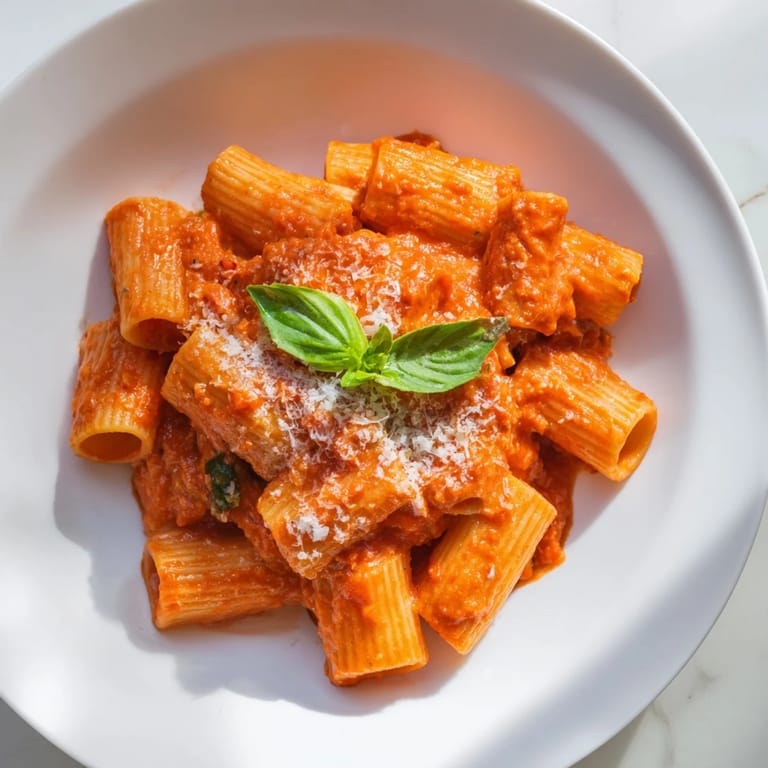
- Taste the sauce and adjust the seasoning if needed, then stir in the Parmesan if you want that extra richness. Spoon it over your favorite pasta and garnish with fresh basil.
 Pin it
 The first time I served this to friends, I kept the secret until dessert. One of them had spent the whole meal raving about the sauce, asking what made it so rich and sweet. When I finally told her it was full of carrots and zucchini, she laughed and immediately asked for the recipe. That moment reminded me that good food doesn't have to announce itself, it just has to taste right.
How to Store and Freeze
This sauce keeps beautifully in the fridge for up to five days, stored in an airtight container. I like to freeze it in individual portions using small containers or freezer bags, so I can pull out just what I need for a quick dinner. It thaws overnight in the fridge or reheats straight from frozen on the stovetop with a splash of water to loosen it up. Frozen sauce lasts up to three months and tastes just as good as the day you made it.
Making It Your Own
You can swap the zucchini for yellow squash or add a handful of kale instead of spinach, whatever you have on hand. A splash of cream or a tablespoon of butter stirred in at the end makes the sauce taste like a fancy restaurant version. If you want a little heat, add a pinch of red pepper flakes when you add the garlic. This recipe is forgiving and adaptable, so don't be afraid to experiment with what's in your crisper drawer.
Serving Suggestions
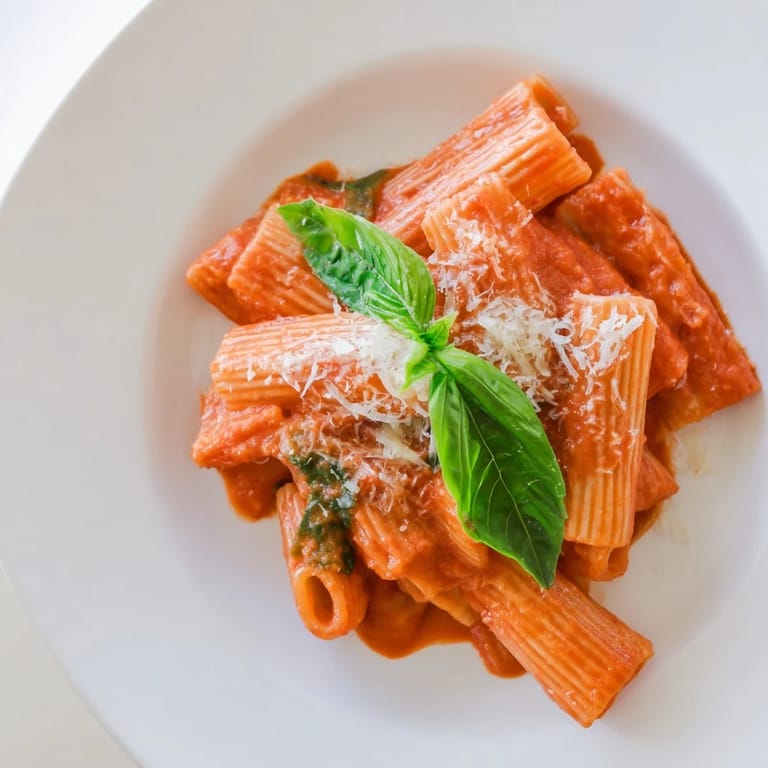
This sauce is perfect over spaghetti, penne, or rigatoni, but it also works as a base for baked ziti or lasagna. I've spooned it over chicken breasts before baking them, and it turned a plain weeknight dinner into something special. You can even use it as a dipping sauce for breadsticks or a topping for homemade pizza.
- Toss it with pasta and top with extra Parmesan and fresh basil for a classic meal.
- Layer it in lasagna with ricotta and mozzarella for a hidden veggie twist.
- Spoon it over grilled chicken or fish for a quick, flavorful topping.
 Pin it
 This sauce has become one of those recipes I make without thinking, the kind that solves dinner and sneaks in nutrition at the same time. I hope it becomes that for you too.
Recipe FAQs
- → Can I use frozen vegetables instead of fresh?
Yes, frozen vegetables work well. Thaw carrots, zucchini, and spinach before adding, and adjust cooking time slightly since they cook faster than fresh vegetables.
- → How do I store leftovers?
Store cooled sauce in airtight containers in the refrigerator for up to 4 days. For longer storage, freeze in portioned containers for up to 3 months. Thaw overnight in the refrigerator before reheating.
- → What if I don't have an immersion blender?
You can transfer the cooked sauce to a countertop blender in batches and puree until smooth. Let hot sauce cool slightly before blending to prevent splashing. Alternatively, use a food processor for a chunkier texture.
- → Is this suitable for a vegan diet?
Yes, the sauce is naturally vegan without Parmesan cheese. Simply omit the cheese or use a plant-based alternative. The olive oil and vegetable base make it perfectly suited for vegan pasta dishes.
- → How can I enhance the creaminess?
Stir in a splash of heavy cream or a tablespoon of butter after blending for added richness. Alternatively, blend in a quarter cup of cashew cream for a dairy-free creamy option.
- → Can I make this less acidic?
Add the optional half teaspoon of sugar to balance acidity. You can also stir in a tablespoon of butter or cream, which naturally mellows tomato acidity while adding body to the sauce.