 Pin it
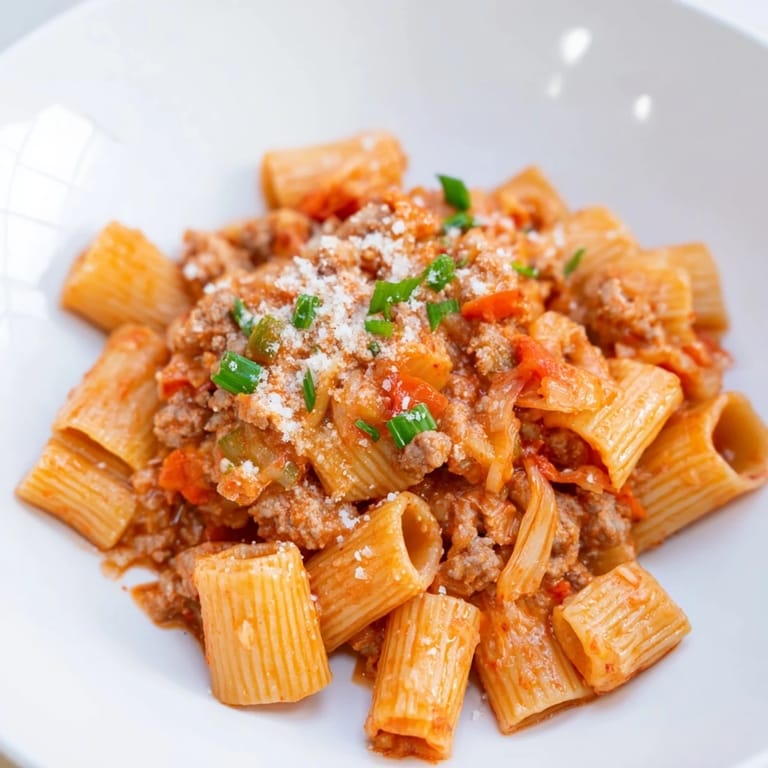
 I discovered this dish on a rainy Tuesday when I had leftover kimchi taking up space in my fridge and a craving for something warm and comforting. While scrolling through my pantry, I spotted a can of tomatoes and thought: what if Italian and Korean flavors collided on the same plate? The first bowl was chaos in the best way—spicy, creamy, savory, and somehow completely right. Now it's become my go-to when I want to feel like I'm cooking something bold without overthinking it.
I made this for friends who were skeptical about mixing Korean and Italian food, and watching their faces light up after the first forkful was worth every chop of onion. One friend asked for the recipe immediately, and another joked that I'd invented the future of fusion cooking. Since then, it's become the dish people request when they know I'm cooking.
Ingredients
- Ground pork (300 g): The base that absorbs all the sauce flavors—beef or a 50/50 blend works just as well if you prefer.
- Onion, carrot, and celery (aromatics): This classic trio is your flavor foundation; the sweetness balances the heat.
- Napa cabbage kimchi (200 g): The star ingredient that brings funk, spice, and depth—don't skip the kimchi juice, it's liquid gold.
- Garlic (2 cloves minced): Adds a sharp edge that won't overpower if you mince it finely.
- Crushed tomatoes (400 g): Italian soul meets Korean spice through this familiar base.
- Heavy cream (120 ml): Transforms the ragu into something silky; use plant-based cream for dairy-free without guilt.
- Soy sauce (1 tbsp): A quiet amplifier that makes every other flavor sing.
- Gochugaru (1 tsp): Optional but recommended—it adds color and authentic heat without harshness.
- Rigatoni or penne (350 g): Short shapes hold sauce in every bite; long pasta lets it slip away.
- Olive oil, sugar, salt, and black pepper: These humble players make the whole thing balanced.
- Scallions and Parmesan (garnishes): Fresh brightness and salty richness that finish the dish with style.
Tired of Takeout? 🥡
Get 10 meals you can make faster than delivery arrives. Seriously.
One email. No spam. Unsubscribe anytime.
Instructions
- Build your flavor base:
- Heat olive oil in a large skillet over medium-high heat and add onion, carrot, and celery. Sauté for 5 minutes until they soften and release their sweetness into the oil—you'll notice the kitchen smelling suddenly homey.
- Wake up the garlic:
- Add minced garlic and cook for 1 minute until it becomes fragrant; this is your cue to keep moving before it burns.
- Brown the meat:
- Crumble in the ground pork and cook for 6–7 minutes, breaking it into small pieces as it browns. Don't rush this step—you want the meat to develop color and texture, not steam.
- Introduce the kimchi:
- Stir in the chopped kimchi and its juice, cooking for 3–4 minutes. The fermented flavors will mellow slightly and integrate with the meat, filling your kitchen with an intoxicating spice.
- Simmer the sauce:
- Add crushed tomatoes, soy sauce, gochugaru, sugar, salt, and pepper. Let it bubble gently uncovered for 15–20 minutes, stirring occasionally, until it thickens and deepens in color—this is when the magic happens.
- Cook the pasta:
- While the sauce simmers, bring a pot of salted water to a boil and cook your pasta until al dente. Reserve 100 ml of pasta water before draining; this starchy liquid is what transforms the sauce into velvet.
- Cream it together:
- Lower the ragu to low heat and stir in heavy cream and half the pasta water, mixing until the sauce becomes creamy and luxurious. Taste and adjust salt and pepper if needed.
- Marry pasta and sauce:
- Add the drained pasta to the ragu and toss gently to coat everything. Add more pasta water a little at a time if the sauce feels too thick—you want it to cling to the pasta, not drown it.
- Plate and finish:
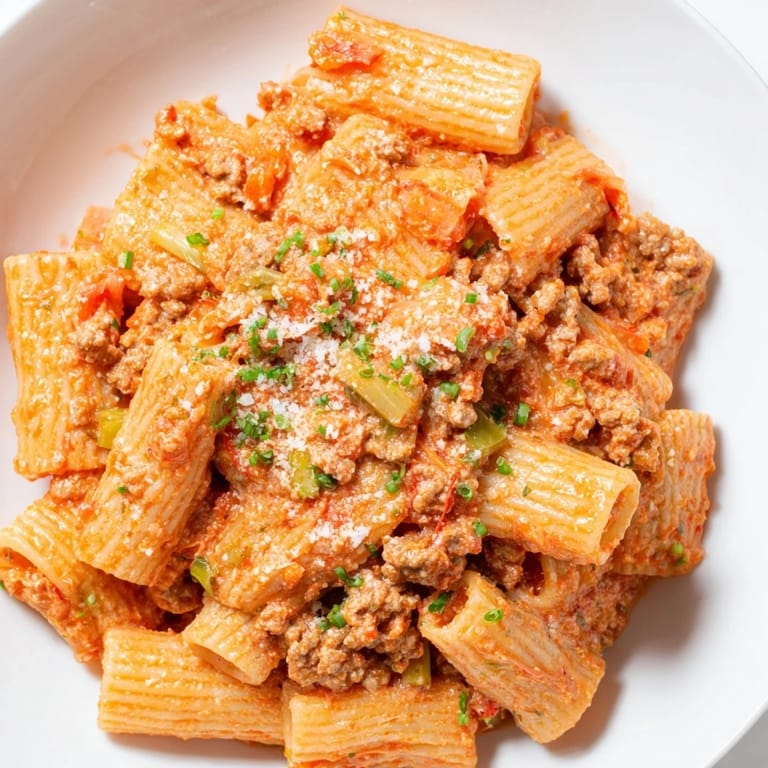
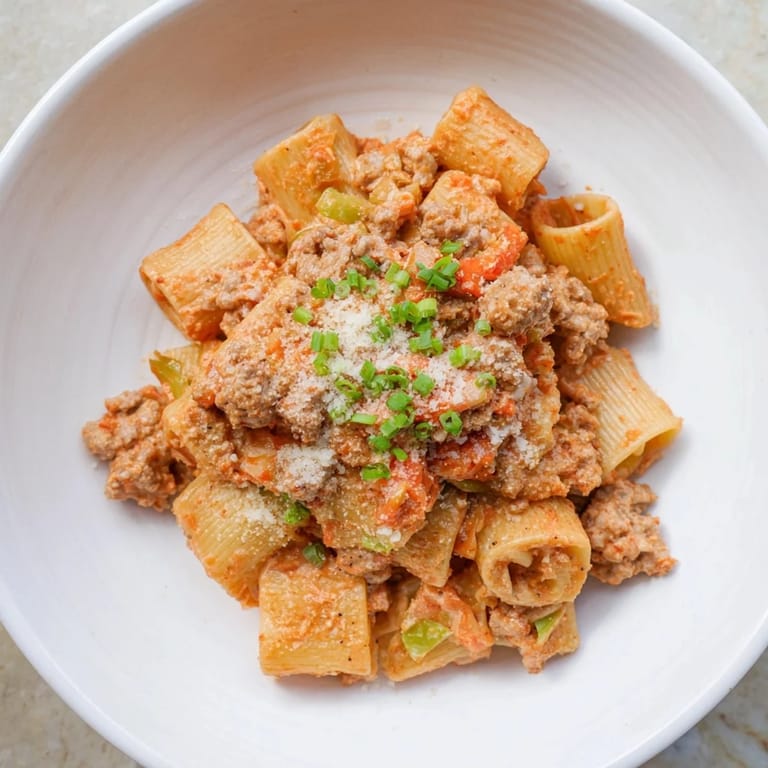
- Serve immediately while hot, scattered with fresh scallions and Parmesan if using. The heat will slightly wilt the scallions and soften the cheese just enough.
 Pin it
 There's a moment about halfway through cooking when the spice hits you—that first breath of gochugaru and fermented kimchi rising from the pan—and you know this dish is going to work. It's the moment cooking stops feeling like a task and becomes something you're genuinely excited about.
Spice Level & Customization
This dish walks a fine line between boldness and balance, so adjust it to your comfort zone. Start with half the gochugaru and the kimchi amount listed, taste as you go, and add more if you want that Korean heat to dominate. For a milder version, use less kimchi and skip the gochugaru entirely—the dish will still be delicious, just more creamy-Italian than spicy-fusion. For dairy-free cooking, coconut cream creates a slightly sweet richness that somehow makes sense with the kimchi, while plant-based cream keeps everything savory.
Wine Pairing & What to Serve Alongside
A chilled Lambrusco or fruity Riesling pairs beautifully because the slight fizz and acidity cut through the creaminess while complementing the spice. On the side, keep it simple: a sharp green salad to refresh the palate, crusty bread to capture the sauce, or roasted vegetables if you want substance. Avoid heavy side dishes that compete with the bold flavors already on the plate.
Storage & Make-Ahead Tips
The ragu tastes even better the next day after flavors have melted together, so making it ahead is encouraged. Store it separately from the pasta in an airtight container in the refrigerator for up to 3 days, or freeze it for up to a month. When reheating, add a splash of water or cream to restore the sauce's silkiness, then toss with fresh pasta cooked just before serving. This dish doesn't like being assembled and sitting, so assemble right before eating.
- Make the ragu while your pasta water comes to boil for maximum efficiency.
- Fresh scallions scattered on top at the last second make the difference between good and unforgettable.
- If serving to guests, prep your aromatics and meat ahead, then cook everything in sequence—it takes less than an hour from start to plate.
 Pin it
 This dish proves that fusion doesn't have to feel forced—sometimes the best meals come from happy accidents and an open mind. Make it once, and I promise you'll find yourself craving it again on the next rainy Tuesday.
Recipe FAQs
- → What type of meat works best for this dish?
Ground pork offers a tender, flavorful base, but ground beef or a 50/50 blend can also be used depending on preference.
- → Can I make the sauce dairy-free?
Yes, substituting heavy cream with plant-based cream or coconut cream provides a creamy texture without dairy.
- → How do I control the spice level?
Adjust the amount of gochugaru and kimchi to make the dish as mild or spicy as desired.
- → What pasta shapes are recommended?
Rigatoni or penne work well as their ridges and tubes hold the rich sauce nicely.
- → Is there a suggested wine pairing?
Try a chilled Lambrusco or fruity Riesling to complement the umami and spice.