 Pin it
 The smell of lemon zest always takes me back to my tiny apartment kitchen, where I first threw together this pasta salad on a whim. It was a scorching July afternoon, my AC had given up, and the last thing I wanted was to turn on the oven. I raided the pantry, found some tuna cans, and suddenly a cold dinner idea was born. That accidental creation has since traveled with me to countless potlucks and beach picnics. Something about the bright citrus against the creamy tuna just works, like sunshine on a plate.
I brought this to a friend's rooftop gathering last summer, and honestly, I was a little embarrassed. Here I was with what looked like a basic pasta salad while everyone else showed up with elaborate dishes. But then I watched my friend Sarah take a bite, pause midconversation, and immediately ask for the recipe. Three people messaged me the next day for the ingredients. Sometimes the simplest food hits the hardest.
Ingredients
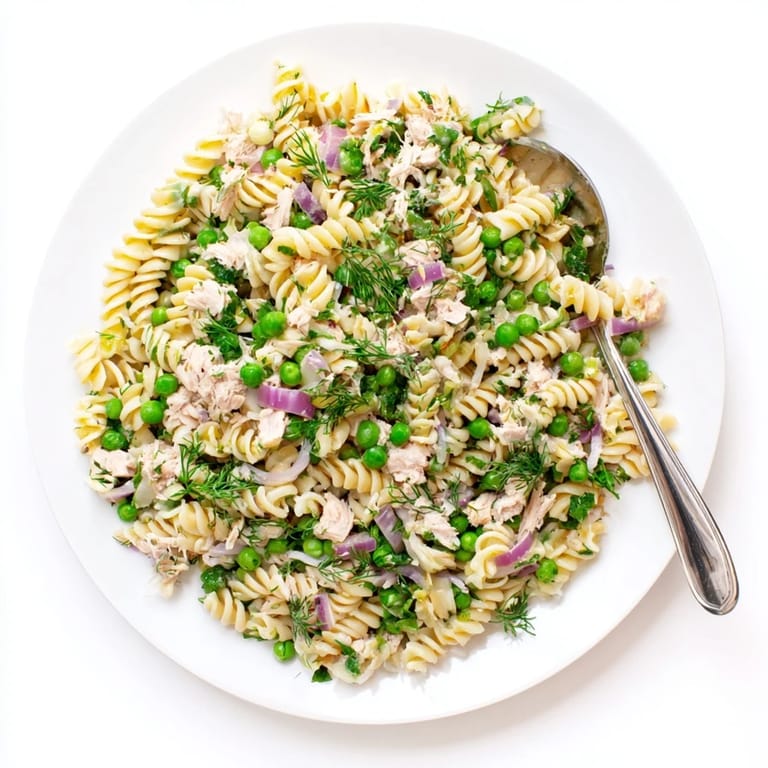
- Short pasta (250 g/9 oz): Fusilli catches the dressing best, but penne or bowties work perfectly. Go for something with ridges or curves to hold onto all that bright lemon flavor.
- Salt: Generously salt your pasta water. It is your only chance to season the actual pasta, and this salad relies on wellseasoned noodles.
- Frozen peas (1 cup): Do not bother thawing separately. Tossing them into the boiling water during the last two minutes of pasta cooking keeps them bright green and sweet.
- Tuna in olive oil (2 cans/150 g each): The oilpacked version is worth every penny. Waterpacked tuna leaves this salad tasting watery and sad. Drain but do not obsess over removing every drop of oil.
- Red onion (1 small): Dice it finely. Big chunks overwhelm delicate pasta salad. Soaking the diced onion in cold water for 10 minutes tames the bite if you are sensitive to raw onion.
- Fresh parsley (1/4 cup): Flatleaf parsley brings a fresh, peppery kick that cuts through the rich tuna. Curly parsley works in a pinch, but the texture is not quite as nice.
- Fresh dill (2 tbsp): This is the secret weapon. Dill and tuna were made for each other. If you hate dill, fresh basil or chives make excellent substitutes.
- Lemon (1 large): You need both zest and juice. The zest packs all the aromatic oils, while the juice provides the acid that makes everything pop.
- Extravirgin olive oil (3 tbsp): Quality matters here. You will taste it, so use something you would drizzle on bread. It ties all the disparate ingredients together.
- Black pepper (1/2 tsp): Freshly cracked makes a noticeable difference. Preground loses its punch quickly.
- Sea salt (1/2 tsp): Start with half a teaspoon, then taste. Different tunas have different salt levels, so let your palate guide you.
- Capers (1/4 cup, optional): Rinse them well. These salty little buds add briny pops that complement the tuna beautifully.
- Cherry tomatoes (1/2 cup, optional): Halve them so every bite gets tomato flavor. Whole tomatoes roll away and create awkward bites.
Tired of Takeout? 🥡
Get 10 meals you can make faster than delivery arrives. Seriously.
One email. No spam. Unsubscribe anytime.
Instructions
- Cook the pasta:
- Bring a large pot of generously salted water to a rolling boil. Add pasta and cook until al dente, usually one minute less than package directions. Toss in frozen peas during the final two minutes so they cook alongside the pasta. Drain everything together and rinse immediately under cold water until completely cool to stop cooking and prevent sticking.
- Mix the flavor base:
- In your largest mixing bowl, combine flaked tuna, diced red onion, chopped parsley, dill, lemon zest, and lemon juice. Let this mixture sit for five minutes. The acid from the lemon will start to break down the raw onion's harsh bite and the herbs will infuse the tuna.
- Combine everything:
- Add the cooled pasta and peas to the bowl with the tuna mixture. Drizzle with olive oil, sprinkle with salt and pepper, then use a large spoon to fold everything together gently. You want each ingredient coated but not mushed.
- Add optional ingredients:
- Fold in capers and cherry tomatoes if using. Taste a bite of pasta. Does it need more salt? More lemon juice? More pepper? Adjust now while you can still taste the difference.
- Serve or store:
- This can be served immediately, but letting it sit for 30 minutes in the refrigerator lets flavors meld. It keeps beautifully for two days. Give it a quick toss and maybe an extra drizzle of olive oil before serving leftovers.
 Pin it
 This recipe became my go-to when my sister had her first baby. I dropped off a container, and she later told me it saved her during those newborn fog days. Something about being able to eat it cold, onehanded, while feeling properly nourished. Food is never just food, is it?
Making It Your Own
I have played around with this base more times than I can count. Sometimes I swap tuna for canned chickpeas when I want a vegetarian version, though honestly it misses that savory depth. Arugula instead of parsley adds a nice peppery bite that stands up to the strong flavors. Once I used basil instead of dill because that is what I had, and while it was different, it was still completely delicious. Do not be afraid to experiment.
Serving Suggestions
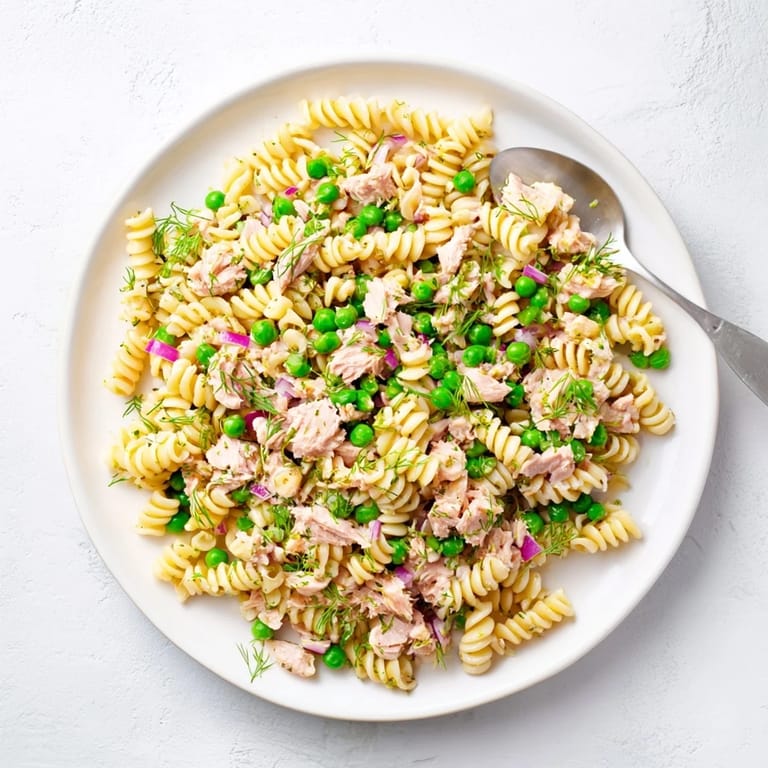
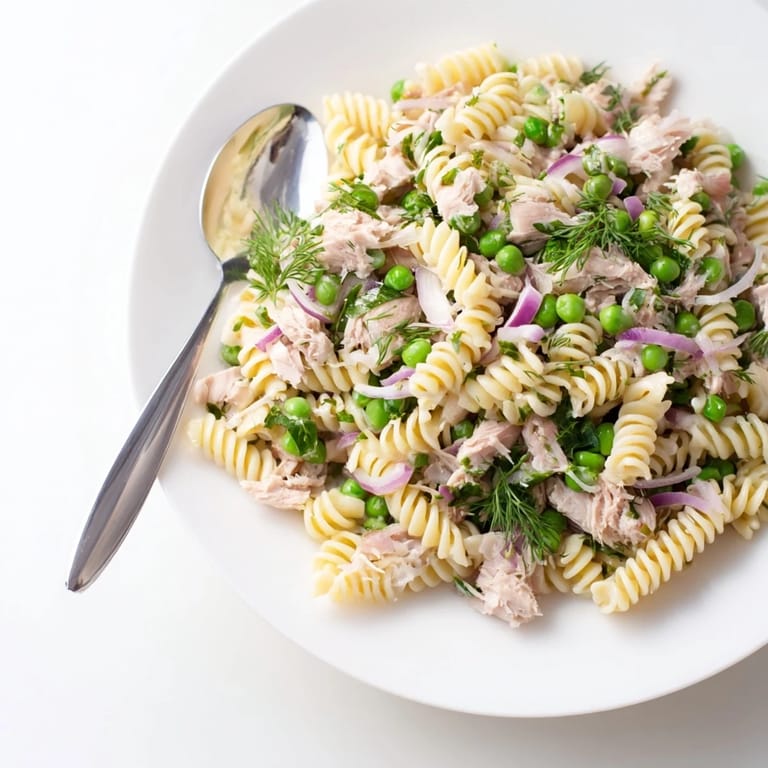
This pasta salad shines alongside anything grilled. The bright citrus cuts through rich barbecue beautifully. I have served it with grilled chicken, salmon, even veggie skewers. It also holds its own as a standalone meal with some crusty bread. For parties, I like to serve it in a shallow bowl rather than deep so people can see all the colorful ingredients.
Storage and Meal Prep
This might be the ultimate meal prep candidate. It actually tastes better on day two when the lemon has had time to work its magic on everything. Store it in airtight containers and it will happily sit in your refrigerator for two days. The pasta does absorb dressing as it sits, so leftovers might need a splash more olive oil and a squeeze of fresh lemon before serving.
- If you know you are meal prepping this, slightly undercook the pasta by one full minute since it continues softening in the fridge
- Add fresh herbs right before serving leftovers. They lose their punch after a day or two
- Never freeze this salad. The pasta texture becomes weirdly mushy and the vegetables turn to mush
 Pin it
 I hope this bright, zesty salad finds its way into your regular rotation. There is something deeply satisfying about a dish that comes together so quickly yet tastes like it took all afternoon to perfect.
Recipe FAQs
- → Can I use fresh tuna instead of canned?
Yes, you can use cooked fresh tuna. Grill or pan-sear a tuna steak, then flake it into bite-sized pieces. Use the same quantity as canned tuna. Fresh tuna will provide a slightly different texture and more delicate flavor.
- → How long does this salad keep in the refrigerator?
This salad keeps well for up to 2 days when stored in an airtight container. The pasta may continue absorbing the dressing, which intensifies the lemon flavor over time. Stir before serving and add fresh herbs just before eating for optimal freshness.
- → What type of pasta works best?
Short pasta shapes like fusilli, penne, or bowties work excellently as they hold the dressing and ingredients well. You can also use farfalle or orecchiette. Avoid long pasta like spaghetti as it doesn't combine easily with the other components.
- → Is this dish suitable for meal prep?
Absolutely! This salad is an excellent meal prep option. Prepare it in advance and store in the refrigerator for up to 2 days. Pack it in containers for grab-and-go lunches. Add fresh herbs as garnish just before eating to maintain their vibrant flavor.
- → How can I make this salad creamier?
Stir in 2 tablespoons of mayonnaise or Greek yogurt to create a creamier texture. This addition works beautifully with the lemon and herbs. Greek yogurt offers a lighter, protein-rich alternative while maintaining the fresh flavor profile.
- → What wine pairs well with this dish?
Crisp white wines complement this salad perfectly. Sauvignon Blanc and Pinot Grigio are excellent choices that echo the bright, zesty lemon flavors. These wines' acidity balances the richness of the olive oil and tuna beautifully.