 Pin it
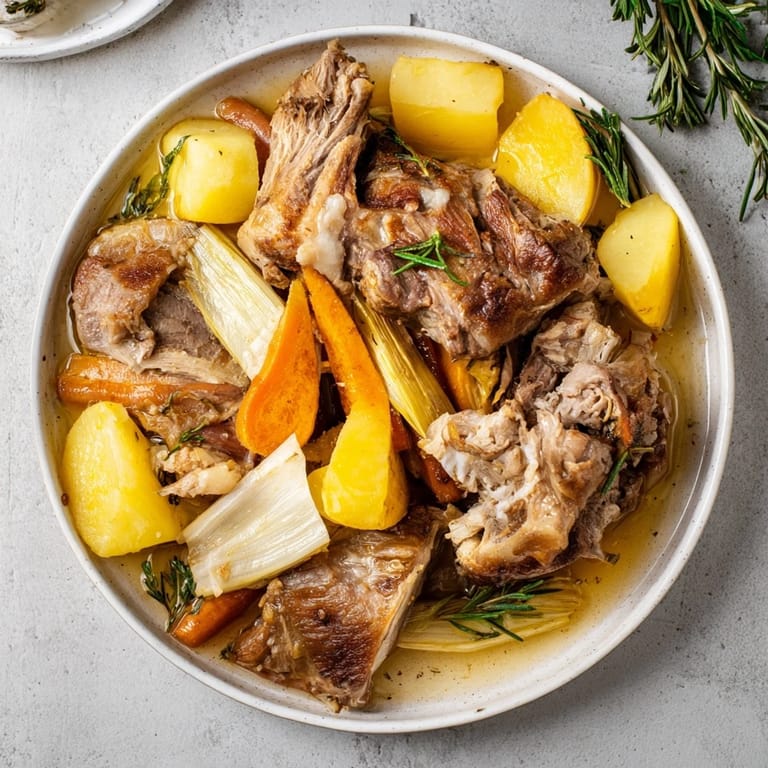
 The kitchen smelled like butter and browning meat the afternoon I finally stopped rushing this recipe. I used to sear the roast and toss everything in without thinking, but the vegetables always turned mushy and the beef never had that deep, almost caramelized crust I craved. One Sunday I slowed down, really browned each side of the chuck, and let the wine reduce properly. The difference was startling. Now I clear my counter, pour a glass of something red, and treat those first twenty minutes like they matter, because they do.
I made this for my parents one winter evening when the power had been out all morning and we needed something warm and solid. We ate by candlelight with the oven still radiating heat, and my dad said it reminded him of Sunday dinners at his grandmothers house. I had never met her, but I felt like I understood her a little better after that night. Food has a way of carrying memory across generations, even when you are just following a recipe in your own quiet kitchen.
Ingredients
- Boneless beef chuck roast (3 to 4 lb): This cut has enough marbling to stay juicy during the long roast, and it shreds beautifully once it is done. Pat it completely dry before seasoning or the sear will steam instead of brown.
- Kosher salt and black pepper: Simple seasoning lets the beef shine, and kosher salt clings better than table salt. I season generously, knowing some will stay in the pot.
- Carrots, parsnips, onions, potatoes, celery: These roots hold their shape and sweeten as they cook. Cut them large so they do not disappear into mush.
- Garlic cloves (smashed): Smashing releases more flavor than slicing, and whole cloves turn soft and mild in the oven.
- Tomato paste: Adds deep umami and a hint of sweetness. Cook it for a full minute to lose the raw edge.
- Beef broth and red wine: The wine brings acidity and complexity, but broth alone works if you prefer. Just make sure the liquid comes halfway up the roast.
- Worcestershire sauce: A few splashes add that mysterious savory depth you cannot quite name.
- Fresh thyme, rosemary, bay leaves: Woody herbs stand up to long cooking. Remove the stems before serving or they will poke someone.
- Olive oil: For searing. Use enough to coat the bottom of the pot so the beef does not stick.
Tired of Takeout? 🥡
Get 10 meals you can make faster than delivery arrives. Seriously.
One email. No spam. Unsubscribe anytime.
Instructions
- Preheat and prep the beef:
- Set your oven to 300°F and let it warm while you work. Pat the roast dry with paper towels, then season every side with salt and pepper, pressing gently so it sticks.
- Sear the roast:
- Heat olive oil in a Dutch oven over medium high heat until it shimmers. Lay the beef in carefully and let it sit untouched for 3 to 4 minutes per side, turning only when a dark crust forms. Transfer to a plate and do not worry about cooking it through yet.
- Cook the vegetables:
- Add onions, carrots, parsnips, potatoes, and celery to the same pot. Stir occasionally and let them pick up the browned bits for about 5 minutes. Stir in garlic and tomato paste, cooking for 1 minute until fragrant.
- Deglaze and build the braising liquid:
- Pour in the red wine and scrape up every sticky bit from the bottom of the pot. Let it simmer for 2 minutes, then nestle the beef back in and add broth, Worcestershire, thyme, rosemary, and bay leaves.
- Braise in the oven:
- Bring everything to a gentle simmer on the stove, cover tightly with the lid, and slide it into the oven. Roast for 3 to 3 and a half hours, until the beef yields to a fork and the vegetables are soft.
- Rest and serve:
- Pull the pot from the oven, fish out the herb stems and bay leaves, and let the beef rest for 10 minutes. Slice or shred it, then serve with the vegetables and spoon the pan juices over everything.
 Pin it
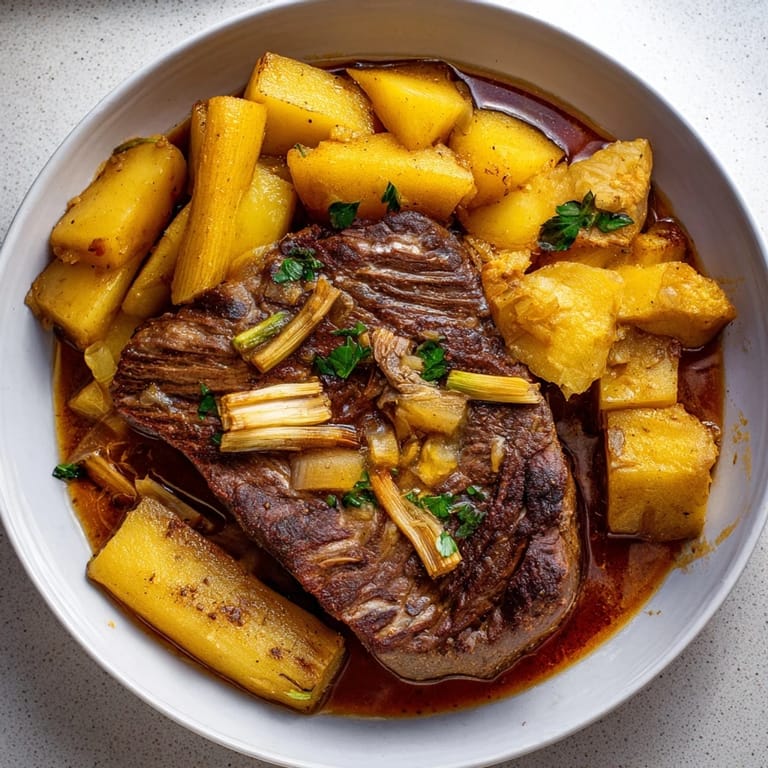
 One evening I brought this to a neighbor who had just had surgery. She called the next morning to ask for the recipe, and later told me she made it every few months when she needed to feel taken care of. I think that is what a good pot roast does. It is not fancy, but it is the kind of meal that wraps around you and makes you feel like someone is paying attention.
How to Store and Reheat
Let the beef and vegetables cool completely, then transfer everything to an airtight container with the pan juices. It will keep in the fridge for up to four days. Reheat gently on the stove over low heat, adding a splash of broth if the sauce has thickened too much. The flavors deepen overnight, so leftovers are a gift, not a compromise.
What to Serve Alongside
This pot roast carries its own vegetables, so you really only need crusty bread to soak up the juices or a simple green salad to brighten the plate. Sometimes I make buttered egg noodles or creamy polenta if I want something soft to pile the beef on top of. A glass of the same red wine you cooked with ties everything together without any extra effort.
Ways to Adjust the Recipe
If you cannot find parsnips, swap in turnips or extra carrots without worry. For a thicker sauce, pull the beef and vegetables out at the end and simmer the juices on the stove until they reduce by half, or whisk in a cornstarch slurry. You can skip the wine entirely and use all broth, though you will miss a little of the brightness it brings.
- Use a slow cooker on low for 8 hours if you do not want to use the oven.
- Add a few dried porcini mushrooms to the braising liquid for earthy depth.
- Shred leftovers and pile them onto toasted baguette with melted cheese for quick sandwiches.
 Pin it
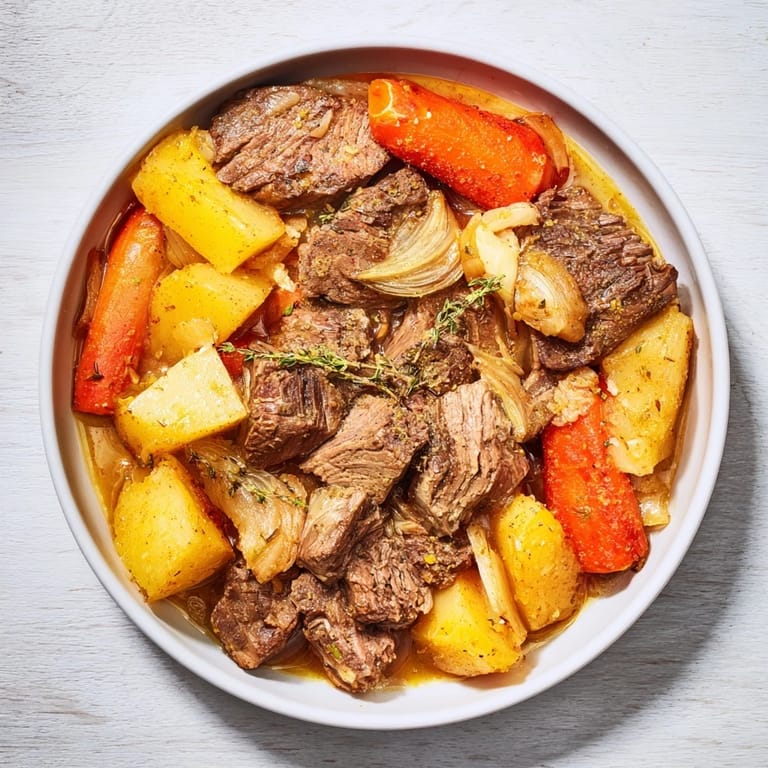
 This is the kind of recipe that makes your kitchen feel like the center of the house. I hope it becomes one of those meals you return to when you want something reliable, warm, and worth the wait.
Recipe FAQs
- → What cut of beef works best for slow roasting?
Boneless beef chuck is ideal due to its marbling and connective tissue, which become tender and flavorful when slow-cooked.
- → Can I substitute parsnips with another vegetable?
Yes, turnips make a good substitute if parsnips are unavailable or can be omitted without affecting overall flavor.
- → Is searing the beef necessary before roasting?
Searing creates a caramelized crust that enhances flavor and improves the final texture of the roast.
- → How can I thicken the pan juices into a sauce?
Remove beef and vegetables, then simmer the cooking liquid until reduced by half or stir in a cornstarch slurry for a thicker consistency.
- → What wine pairs well with this slow-roasted dish?
Robust red wines like Cabernet Sauvignon or Merlot complement the rich flavors of the beef and root vegetables.
- → Can I prepare this dish ahead of time?
Yes, leftovers reheat well and can be used in sandwiches or stews for subsequent meals.