 Pin it
 The first snowfall of autumn always triggers my butternut squash soup craving. Last October, with frost clinging to the windows and my favorite wool socks on my feet, I found myself chopping a particularly stubborn squash while my kitchen filled with the aroma of possibilities. Something about the way the maple syrup caramelized with the roasted squash created a comfort I couldn't explain but desperately needed that day.
I first made this soup for my neighbor who was recovering from surgery and could barely eat anything substantial. She texted me three days in a row asking if I had any more squirreled away in my freezer. The third time she asked, I just brought over all the ingredients and showed her how easy it was while her cat supervised our cooking from the counter, occasionally batting at a thyme sprig that dangled too close to the edge.
Ingredients
- Butternut Squash: Look for one with a matte skin rather than glossy which often means its underripe and will have less natural sweetness.
- Maple Syrup: Please use pure maple syrup not pancake syrup as the artificial stuff will leave an odd aftertaste that no amount of spice can hide.
- Coconut Milk: The slight tropical undertone pairs surprisingly well with autumn spices and creates silkiness without heaviness.
- Nutmeg: Grate it fresh if possible the pre-ground stuff loses its aromatic magic after a few months sitting in your spice drawer.
- Vegetable Broth: I once used beef broth in a pinch and regretted it immediately the vegetable version lets the squash remain the star.
Tired of Takeout? 🥡
Get 10 meals you can make faster than delivery arrives. Seriously.
One email. No spam. Unsubscribe anytime.
Instructions
- Roast that squash:
- Spread your cubed butternut squash on the baking sheet like little orange jewels with enough space so they roast rather than steam. Listen for the sizzle when you turn them halfway this is the sound of caramelization happening.
- Build your flavor base:
- When sautéing the onions, look for that translucent shimmer before adding the garlic. The kitchen should fill with that sweet allium aroma that makes everyone wander in asking whats for dinner.
- Combine and season:
- As you add the roasted squash and liquid ingredients, scrape any browned bits from the pot bottom those concentrated flavor spots are gold. Let the cinnamon and nutmeg warm in the mixture to release their oils before blending.
- Blend to velvet:
- If using an immersion blender, keep it slightly submerged to prevent splattering your kitchen walls with orange evidence. The soup should cascade off your spoon in a smooth ribbon when ready.
- Finish with creaminess:
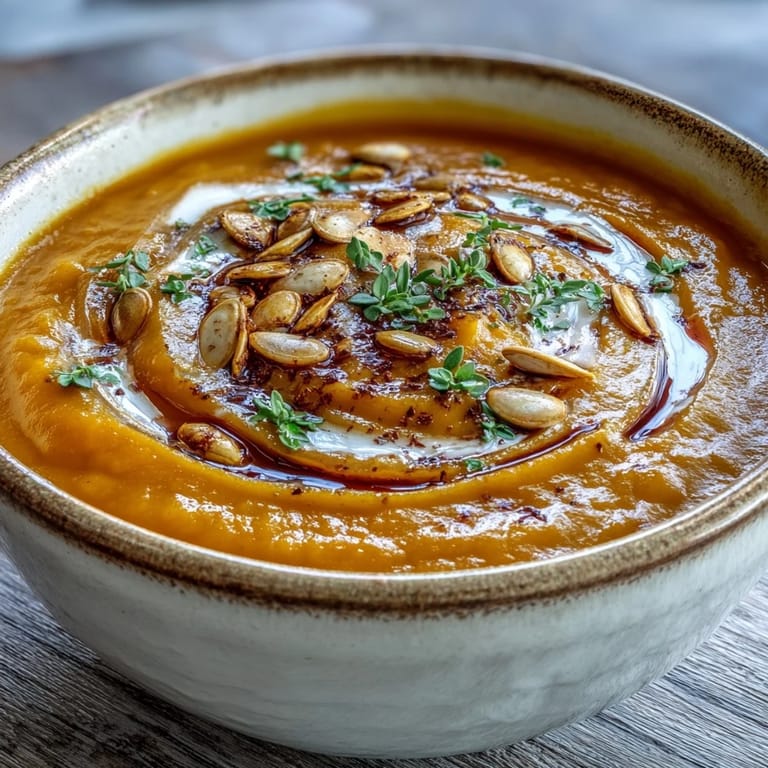
- Add the coconut milk or cream when the heat is low to prevent any possibility of curdling. Watch how it swirls and creates beautiful patterns before fully incorporating.
 Pin it
 Last Thanksgiving, my normally picky nephew filled his bowl three times, completely ignoring the turkey. When his mother expressed surprise, he simply stated, Sometimes things that are orange just taste better, before proceeding to explain his theory about color and flavor to the entire table. Nobody corrected him we were all too busy enjoying seconds.
Making It Ahead
This soup develops personality overnight like a good friendship. The spices mellow and meld, the sweetness from the maple settles into something more complex, and the whole thing transforms from delicious to memorable. Ive stored portions in the freezer for up to three months with barely any degradation in quality, though the coconut milk sometimes separates a bit upon reheating just give it a quick stir and nobody will ever know.
Serving Suggestions
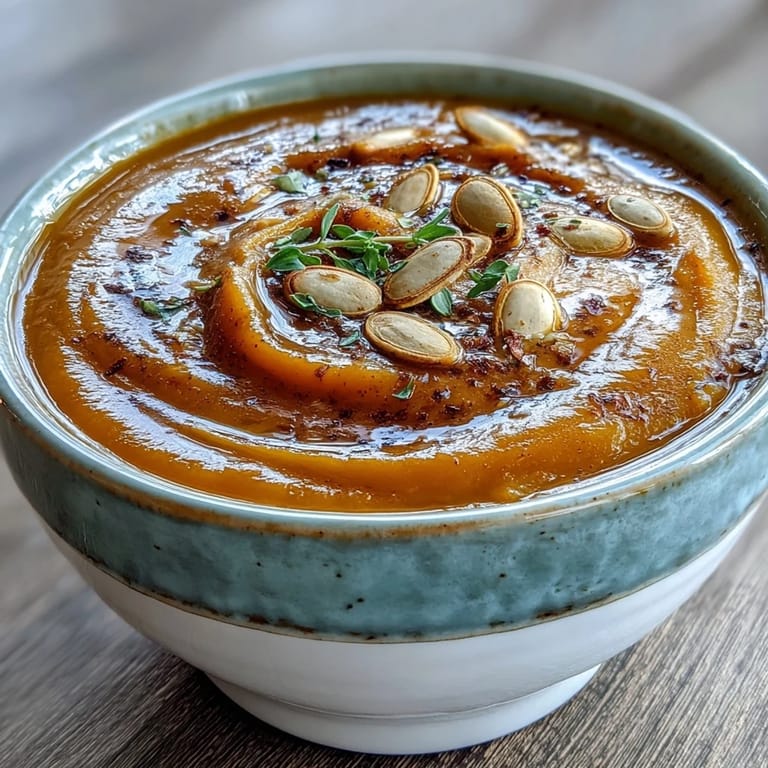
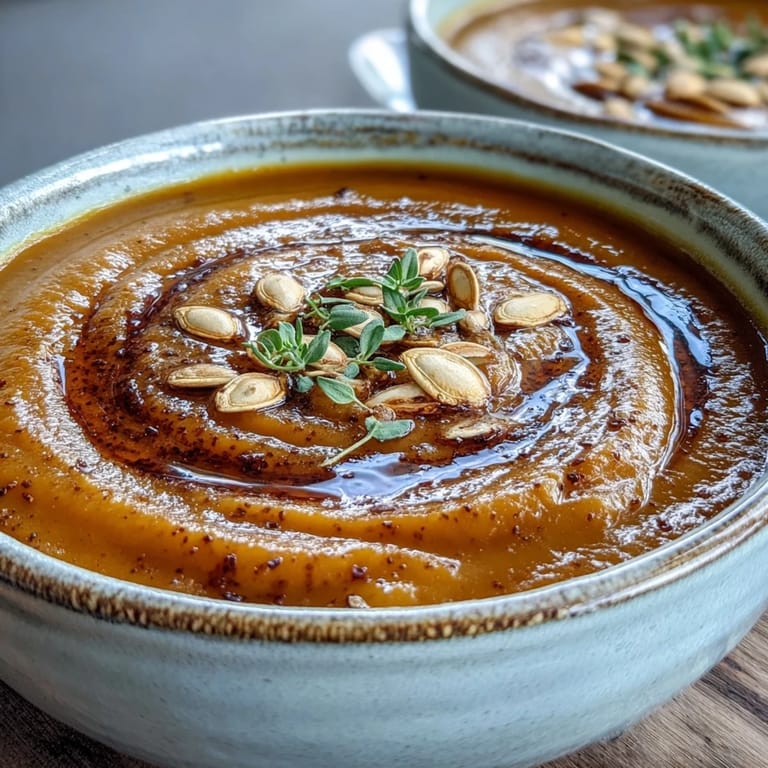
I discovered by happy accident that a slice of sharp cheddar melted on top creates a salty contrast that elevates the entire experience. For dinner parties, I serve this in small cups as a starter with a single toasted pumpkin seed floating in the center and a tiny fresh thyme sprig that guests can swirl into the soup releasing its piney aroma. The visual alone gets conversations started before anyone has taken a single sip.
Seasonal Adaptations
Summer butternut soups need brightness to counterbalance the season so I add a splash of apple cider vinegar at the end. Winter versions benefit from a pinch of cayenne that builds slowly as you eat creating internal warmth. Spring calls for fresh herbs stirred in at the last moment letting their green vitality shine against the orange backdrop.
- For holiday gatherings, try adding a tablespoon of bourbon when sautéing the onions the alcohol cooks off but leaves a sophisticated complexity.
- If serving to children, a tiny dollop of peanut butter stirred into their portion creates a familiar entry point to this more sophisticated flavor profile.
- Keep some toasted pepitas in a jar beside the soup pot so everyone can add their own crunchy garnish according to preference.
 Pin it
 This soup has been my solution to cold days, sad days, celebration days, and every day in between. Its not just a recipe in my collection its a reliable friend that never disappoints.
Recipe FAQs
- → Can I make this ahead of time?
Absolutely. This actually tastes better the next day as flavors have time to meld. Store in an airtight container in the refrigerator for up to 4 days. Reheat gently over low heat, adding a splash of broth or water if needed to adjust consistency.
- → What's the best way to achieve the smoothest texture?
Roasting the squash first is key—it breaks down fibers and concentrates sweetness. Use an immersion blender directly in the pot for convenience, or work in batches with a high-speed countertop blender for ultra-smooth results. Blend for at least 2-3 minutes.
- → Can I substitute the maple syrup?
Honey works beautifully as a 1:1 substitute, though it brings a slightly different floral note. For a sugar-free version, omit the sweetener entirely—the roasted squash provides plenty of natural sweetness on its own.
- → How do I adjust the spice level?
The warming spices are quite mild as written. For more pronounced spice, increase the cinnamon to 1 teaspoon and nutmeg to 1/2 teaspoon. If you enjoy heat, add 1/8 to 1/4 teaspoon cayenne pepper for a gentle kick that balances the sweetness.
- → Can I freeze this?
Yes, freeze for up to 3 months. Cool completely before transferring to freezer-safe containers, leaving 1 inch of headspace for expansion. Thaw overnight in the refrigerator and reheat gently, whisking to restore creaminess.
- → What should I serve with this?
Crusty bread or baguette slices are classic for dipping. A simple green salad with vinaigrette cuts through the richness. Grilled cheese sandwiches, roasted chicken, or even sausage pairs wonderfully for a complete meal.