 Pin it
 The first time I made butternut squash soup, it was a complete accident of circumstance. Winter had descended with unexpected fury, my power was flickering ominously, and the only substantial ingredients in my kitchen were a forgotten butternut squash and some wilting vegetables. The aroma that filled my small apartment as those vegetables caramelized in the oven transformed my emergency cooking session into what would become a cherished ritual each fall. Something about the sweet, nutty fragrance of roasting squash simply resets my soul.
Last October, my neighbor knocked on my door during a particularly fierce rainstorm just as I was blending this soup. She had locked herself out and needed shelter until her husband returned with keys. The steam fogging up my windows, the whir of the blender, and the unexpected company turned into an impromptu dinner party. Now she requests this soup whenever the forecast turns gloomy, saying its like wearing a sweater from the inside out.
Ingredients
- Butternut squash: Look for one with a matte skin rather than glossy, which often indicates its been harvested too early and wont have developed its full sweetness.
- Yellow onion: The sulfur compounds in yellow onions develop a remarkable sweetness when roasted that white or red varieties cant quite match.
- Garlic cloves: Roasting them whole inside their papery skins and then popping them out afterward gives a gentler, more complex flavor than pre-minced.
- Vegetable broth: I make my own and freeze it in 4-cup portions, but when using store-bought, I look for low-sodium varieties so I can control the salt levels myself.
- Nutmeg: Grating it fresh makes a noticeable difference, especially against the sweet earthiness of the squash.
Tired of Takeout? 🥡
Get 10 meals you can make faster than delivery arrives. Seriously.
One email. No spam. Unsubscribe anytime.
Instructions
- Prepare your vegetables:
- Peel the butternut squash with a sharp vegetable peeler, using long downward strokes away from your body. The aroma released as you cut into the flesh is your first hint of the warmth to come.
- Season and roast:
- Spread everything in a single layer on your baking sheet, giving the vegetables room to caramelize rather than steam. The edges should darken to a rich golden brown, almost like the color of maple syrup.
- Build your flavor base:
- When transferring the roasted vegetables to your pot, scrape all those browned bits from the baking sheet too. Those concentrated caramelized bits contain the most intense flavor.
- Blend until silky:
- Take your time blending, allowing the vortex to pull ingredients down naturally rather than rushing. Listen for the sound to change from chunky to smooth, a subtle but unmistakable difference.
- Finish with care:
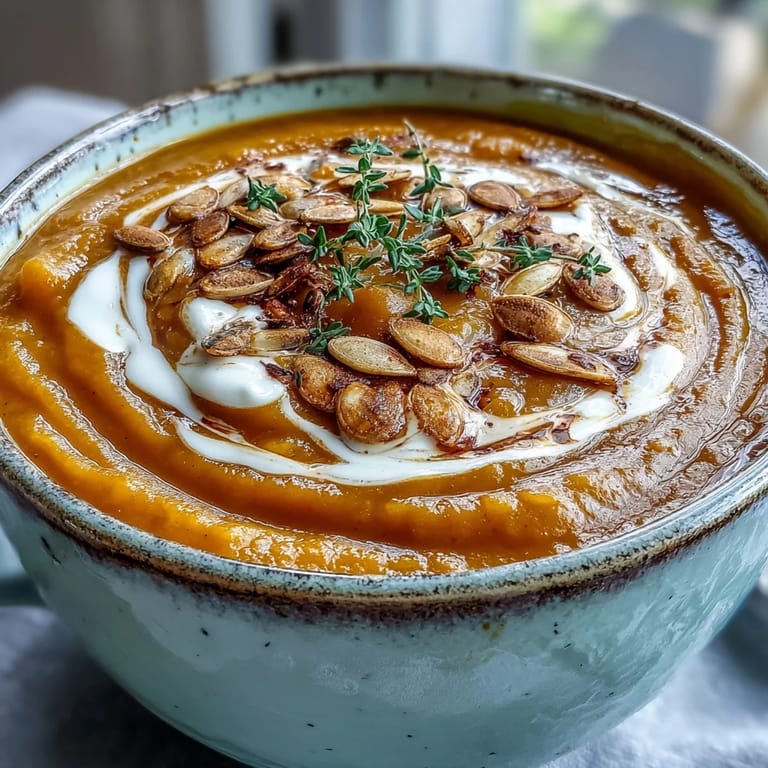
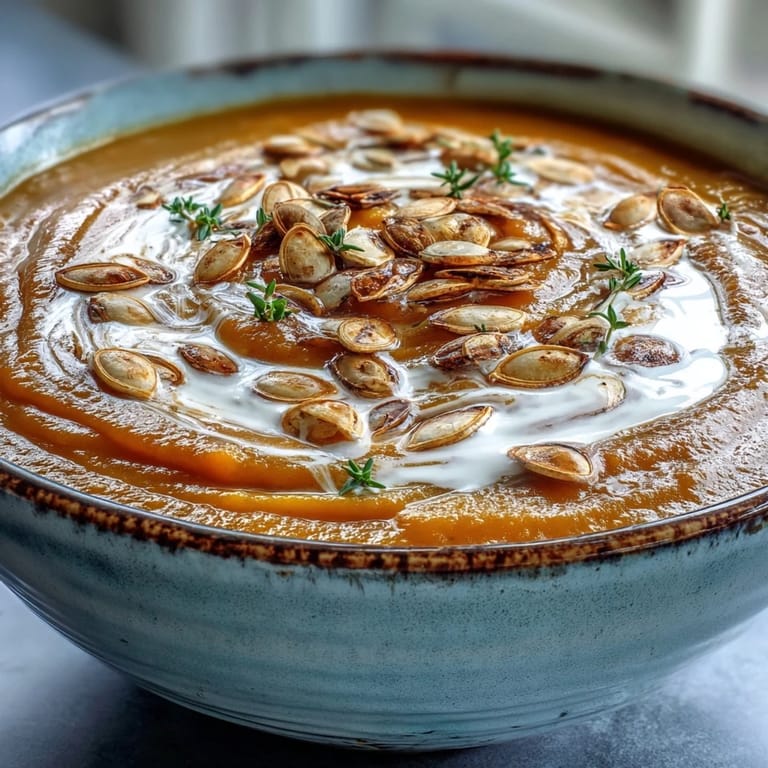
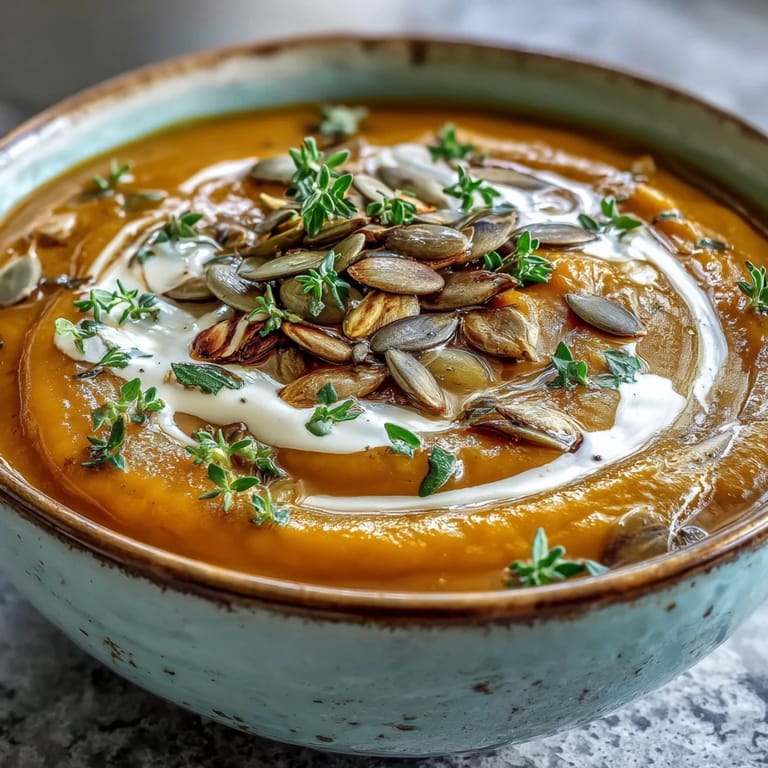
- If using cream, let the soup cool slightly before stirring it in to prevent curdling. The swirl of cream creates beautiful patterns that are nearly as satisfying as the taste.
 Pin it
 One particularly difficult winter during graduate school, I made massive batches of this soup and portioned it into containers for my struggling classmates. The simple act of distributing warm soup during exam week formed bonds that outlasted our academic careers. Even now, fifteen years later, I receive the occasional text message when the temperature drops: Is it butternut soup season yet?
Storage Solutions
Ive found this soup actually improves after a day in the refrigerator, as if the flavors need time to fully introduce themselves to each other. For freezing, I ladle cooled soup into silicone muffin cups, freeze until solid, then pop the frozen portions into freezer bags to create single-serving options that thaw quickly. This trick saved countless dinners during my chaotic work schedule last year.
Texture Variations
The consistency of this soup can be easily adjusted to suit your preferences or mood. Sometimes I crave it thick enough that the spoon nearly stands upright, perfect for dunking crusty sourdough. Other evenings, especially when fighting off a cold, I add extra broth for something more drinkable from a mug. The versatility of this recipe has made it adaptable to nearly every dining situation Ive encountered.
Serving Suggestions
Beyond the traditional garnishes, Ive discovered this soup creates a beautiful canvas for creativity. My brother adds a swirl of sriracha and crispy bacon bits for a sweet-spicy-smoky combination that initially horrified me but now makes regular appearances in my own bowl. The contrast between the smooth soup and crunchy toppings creates a textural experience that elevates the humble ingredients.
- For dinner parties, serve in hollowed-out mini pumpkins for a presentation that always elicits delighted gasps from guests.
- A small dollop of tangy goat cheese melting into the hot soup adds a creamy counterpoint to the sweet squash.
- Keep a jar of fried sage leaves on hand through soup season they add an earthy crunch and beautiful color to the orange canvas.
 Pin it
 This soup reminds me that comfort doesnt have to be complicated. Sometimes the most nourishing things come from the simplest ingredients, transformed through heat and time and attention.
Recipe FAQs
- → Can I make this soup ahead of time?
Absolutely. This soup actually tastes better the next day as flavors have more time to meld. Store in an airtight container in the refrigerator for up to 4 days. Reheat gently on the stovetet, adding a splash of broth if needed to adjust consistency.
- → Can I freeze this butternut squash soup?
Yes, it freezes beautifully. Let the soup cool completely, then transfer to freezer-safe containers or bags, leaving space for expansion. Freeze for up to 3 months. Thaw overnight in the refrigerator before reheating.
- → How do I make it completely vegan?
Simply use coconut cream instead of heavy cream for the optional garnish. Ensure your vegetable broth is certified vegan. The result is just as creamy and delicious, with a subtle tropical note that complements the squash beautifully.
- → What can I serve with this soup?
Crusty bread, sourdough, or a warm baguette are classic choices. Grilled cheese sandwiches, garlic bread, or a simple green salad with vinaigrette also pair wonderfully. For a lighter option, serve with roasted nuts or seeds on the side.
- → Can I use frozen squash instead of fresh?
You can, though fresh squash yields better texture and flavor. If using frozen, thaw completely and pat dry before roasting to prevent excess moisture. Roasting time may be slightly reduced, so check for tenderness after 20-25 minutes.
- → How can I adjust the spice level?
The cayenne pepper adds gentle warmth. Omit it for a completely mild version, or increase up to 1 teaspoon for more heat. You can also add a pinch of red pepper flakes or serve with hot sauce on the side for those who prefer extra spice.