 Pin it
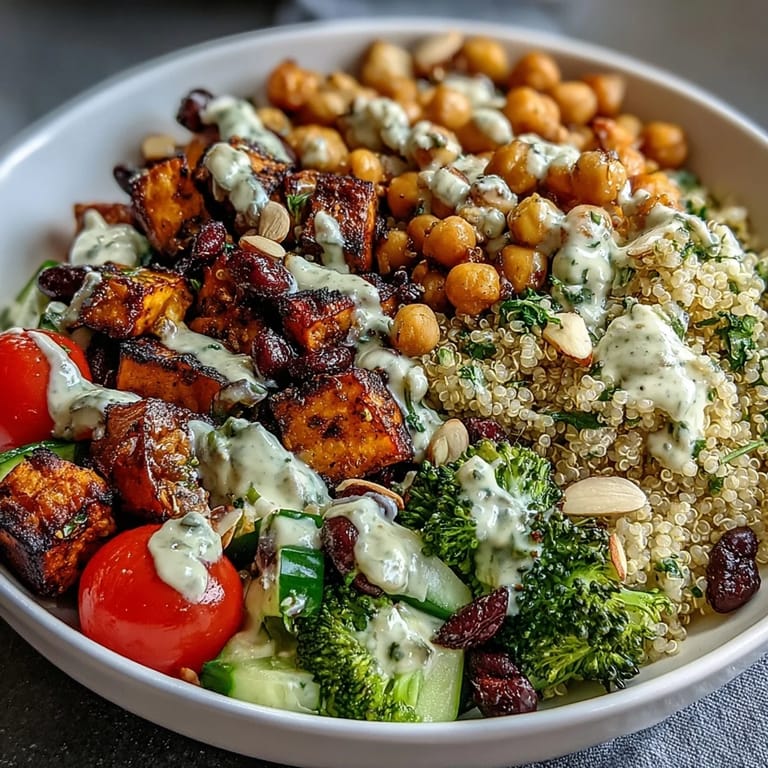
 Sunday afternoons in my kitchen used to feel chaotic until I discovered the magic of building bowls that could sustain me all week. There's something deeply satisfying about opening your fridge on a Wednesday and finding exactly what you need, already prepped and waiting. This power bowl became my answer to the 3 p.m. energy crash that used to derail my afternoons. The combination of fluffy quinoa, roasted vegetables that taste even better the next day, and a creamy tahini dressing that somehow gets better as it sits overnight changed how I approached meal planning entirely.
My friend Marcus came over one Tuesday and opened my fridge skeptically, expecting the usual sad leftover situation. Instead he found these bowls arranged like little edible art projects, and something shifted in how he thought about cooking for himself. He made five servings that afternoon while I worked, and texted me two weeks later saying he'd finally stopped eating cereal for dinner. Those bowls became his gateway drug to actually enjoying what he ate during the week.
Ingredients
- Quinoa: This grain is the backbone here—it stays fluffy even after days in the fridge, unlike rice which can turn mushy or hard depending on moisture.
- Sweet potato: Roasting brings out natural sweetness and creates caramelized edges that make each bite satisfying in a way raw vegetables can't quite achieve.
- Broccoli florets: They get crispy on the outside while staying tender inside, and honestly they taste better reheated than fresh.
- Red bell pepper: Adds brightness and sweetness without overpowering, plus the color reminds you these bowls are actually good for you.
- Olive oil: Two tablespoons is enough to coat everything evenly—use good quality because it's one of the few ingredients you actually taste.
- Sea salt and black pepper: Don't skip seasoning the vegetables before roasting; this is where so much flavor happens.
- Cherry tomatoes: Halved so they don't roll around annoyingly, and their freshness contrasts beautifully with the warm roasted elements.
- Cucumber: Keeps things crisp and cool, adding textural contrast that makes the bowl feel complete.
- Baby spinach or kale: Choose spinach if you want something gentle, kale if you want it to stand up to the richness of the dressing.
- Red onion: Thinly sliced provides a sharp brightness that cuts through the creaminess perfectly.
- Black beans and chickpeas: Together they provide different textures and enough protein to make this actually sustaining—don't use just one or the bowl feels incomplete.
- Almonds: Chopped rather than sliced so they distribute better and add genuine crunch without being overwhelming.
- Pumpkin and sunflower seeds: These are what make the bowl feel special—they add earthiness and texture that elevates it beyond basic.
- Tahini: This is the magic ingredient; it creates a dressing that's naturally creamy without any dairy, and it gets better as it sits.
- Lemon juice: Brightens everything and prevents the dressing from feeling heavy.
- Maple syrup: A touch of sweetness that balances the tahini's earthiness—don't skip it thinking it will be too sweet, it won't be.
- Garlic: Fresh and minced so it disperses throughout, adding complexity without overpowering.
- Cumin: This spice ties everything together in a way that makes the bowl taste intentional and sophisticated.
Tired of Takeout? 🥡
Get 10 meals you can make faster than delivery arrives. Seriously.
One email. No spam. Unsubscribe anytime.
Instructions
- Heat your oven and prepare the stage:
- Get your oven to 425 degrees and line a baking sheet with parchment paper—this matters because it prevents sticking and makes cleanup actually pleasant. You'll notice the kitchen starting to smell promising before anything's even cooked yet.
- Season vegetables for roasting:
- Toss your diced sweet potato, broccoli florets, and chopped bell pepper in a bowl with olive oil, sea salt, and pepper until everything glistens. The salt will draw out moisture later, which means better caramelization.
- Roast until golden and slightly charred:
- Roast until golden and slightly charred:
- Spread vegetables in an even layer and roast for 25 to 30 minutes, stirring halfway through so everything cooks evenly. You'll know they're ready when the edges are slightly caramelized and a fork goes through the sweet potato easily.
- Cook quinoa if needed:
- If you don't have precooked quinoa, prepare it according to package directions now and let it cool completely. Cold quinoa fluffs better and won't turn the dressing watery.
- Whisk the tahini dressing:
- In a small bowl, whisk tahini with lemon juice, water, maple syrup, minced garlic, and cumin until smooth. It'll seem thick at first but loosens up—add water gradually until you reach pourable consistency.
- Layer and assemble:
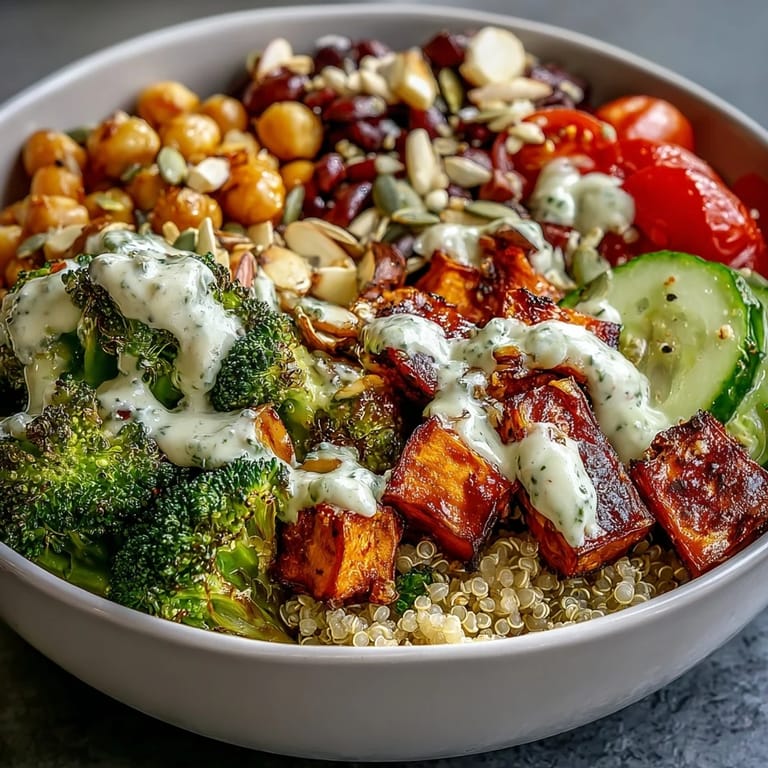
- In each container, start with a base of quinoa, then vegetables, then fresh toppings, beans, and finally seeds and nuts on top. Layering keeps everything from getting soggy and makes the bowls look intentional when you open them.
- Dress and store:
- Drizzle dressing over just before eating, or pack it separately if you're storing for more than a day. The separated approach keeps vegetables from softening and quinoa from absorbing too much liquid.
 Pin it
 There's a specific moment on Friday afternoon when I open my fridge and see my last power bowl waiting, and I feel oddly proud of past-me for being organized. It's not fancy or complicated, but it represents something bigger—the decision to feed yourself well even when life gets busy, and the quiet satisfaction of knowing exactly what's for lunch.
Vegetables That Work Year-Round
The beauty of this bowl is watching it transform with seasons. In summer I swap sweet potatoes for zucchini and add fresh corn, while winter means more root vegetables and roasted cauliflower. Spring gets asparagus and peas, fall brings butternut squash and Brussels sprouts. The formula stays the same but the flavors change completely, which keeps you from getting bored despite eating similar bowls all week.
Protein Combinations That Stick With You
Black beans and chickpeas together create interesting texture—one is creamy when you bite it, the other stays firm. But I've tried every combination imaginable: white beans with lentils, just chickpeas with extra nuts, even splitting one type of bean between two bowls when I'm experimenting. The point is having enough protein that you're genuinely satisfied at 3 p.m., not just pretending you're not hungry while checking the clock until dinner. Some weeks I add a handful of hemp seeds for extra substance without making the bowl feel heavy.
Why This Dressing Changes Everything
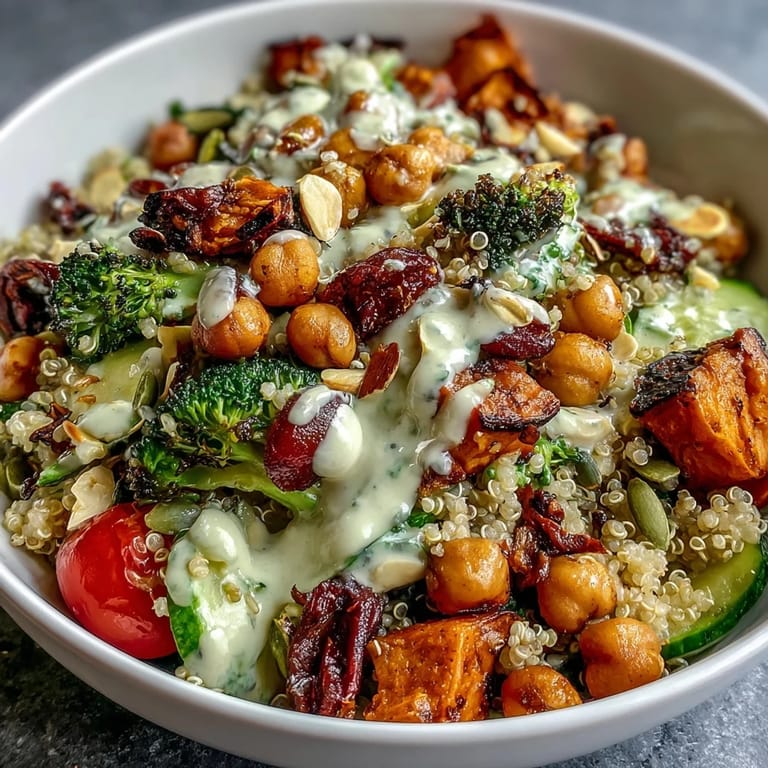
The tahini dressing is what elevates these from healthy to actually delicious, and it's the reason people keep eating them instead of abandoning the containers halfway through the week. It's creamy without dairy, deeply flavorful without being spicy, and somehow tastes better on day three than day one. The garlic mellows into background warmth, the cumin develops complexity, and the whole thing becomes this cohesive thing that makes even plain spinach taste good.
- If your tahini seems grainy, warm the dressing slightly and it'll smooth out immediately.
- Make extra dressing and use it on literally everything else that week—roasted vegetables, salads, grain bowls, even spread on toast.
- Lemon juice is non-negotiable; without it the dressing tastes flat and heavy no matter how much salt you add.
 Pin it
 These bowls became the thing I recommend to anyone stressed about eating well during hectic weeks—not because they're trendy or instagram-perfect, but because they actually work. You'll eat better, waste less, and genuinely look forward to lunch instead of settling for whatever's convenient.
Recipe FAQs
- → How long do these power bowls last in the refrigerator?
These bowls keep well for up to 5 days when stored properly in airtight containers. For best results, store the tahini dressing separately and drizzle it over just before eating to maintain the freshest texture and prevent sogginess.
- → Can I customize the vegetables in this bowl?
Absolutely. Swap roasted vegetables with seasonal favorites like zucchini, carrots, cauliflower, or Brussels sprouts. Fresh vegetables can also be adjusted based on preference—try shredded carrots, radishes, or fresh herbs for variety.
- → What grain alternatives work well instead of quinoa?
Brown rice, farro, bulgur, or even cauliflower rice make excellent substitutions. Each grain provides a slightly different texture and cooking time, so adjust preparation accordingly while keeping the same delicious toppings.
- → Is this bowl suitable for different dietary restrictions?
These bowls are naturally vegetarian, vegan (when using maple syrup instead of honey), and gluten-free. They're packed with plant-based protein from beans, quinoa, nuts, and seeds, making them satisfying for various eating patterns.
- → Can I add extra protein to these bowls?
Yes. Grilled chicken, baked tofu, hard-boiled eggs, or roasted chickpeas make excellent protein additions. Feta cheese or sliced avocado also boost richness and protein, though note that feta makes the version non-vegan.
- → What's the best way to reheat these meal prep bowls?
Microwave for 1-2 minutes until warmed through, or enjoy cold if preferred. The roasted vegetables reheat beautifully, while fresh vegetables maintain their crunch. If eating cold, let the bowl sit at room temperature for 10 minutes for best flavor.