 Pin it
 My neighbor brought a container of black-eyed pea hummus to a potluck last spring, and I watched it disappear faster than everything else on the table. When I asked for her recipe, she laughed and said it was something she'd adapted from her grandmother's tahini base, swapping chickpeas for black-eyed peas on a whim. That small change stuck with me, so I started experimenting in my own kitchen, and now this creamy, nutty spread has become my go-to when I need something that feels both comforting and a little bit special.
I made this for my partner's family gathering one autumn, spreading it on crusty bread while everyone mingled in the kitchen. My mother-in-law took one bite, got quiet for a moment, then asked if I'd made it myself—and honestly, that reaction meant more than any compliment about fancier dishes I'd spent hours on. It reminded me that sometimes the simplest things, made with care, are what people actually remember.
Ingredients
- Black-eyed peas: Two cups cooked (or one drained can) gives you the base that keeps this hummus grounded and hearty—they're milder than chickpeas, which means the tahini and lemon really get to shine.
- Tahini: One-third cup is the secret to that creamy texture; don't skip it or use peanut butter as a shortcut, because tahini has a nutty depth that transforms the whole dish.
- Extra virgin olive oil: Two tablespoons in the blend plus more for drizzling, because good oil tastes like it came straight from somewhere with history and sunlight.
- Fresh lemon juice: About two tablespoons from one lemon brings brightness that prevents the hummus from tasting flat or heavy.
- Garlic: One minced clove might seem small, but it adds a whisper of sharpness that wakes everything up without overwhelming.
- Ground cumin: Half a teaspoon carries that warm, earthy flavor that makes people ask what the mysterious spice is.
- Salt: Half a teaspoon to start, though you'll likely adjust this once you taste it.
- Water: Two to four tablespoons added gradually helps you hit that perfect consistency, because every food processor works differently and every person's preference varies.
- Paprika or sumac: For garnish, adding both color and a subtle smoky or tangy note that makes the whole bowl feel intentional.
- Fresh parsley: A scattered handful at the end brings green freshness and a pop of visual appeal.
Tired of Takeout? 🥡
Get 10 meals you can make faster than delivery arrives. Seriously.
One email. No spam. Unsubscribe anytime.
Instructions
- Start with the base:
- Drain and rinse your black-eyed peas, then add them to the food processor along with tahini, olive oil, lemon juice, minced garlic, cumin, and salt. The smell hits you immediately—that warm tahini scent mixing with citrus and earth.
- Blend until smooth:
- Run the processor, stopping to scrape down the sides with a spatula whenever needed, until the mixture loses all its graininess and becomes creamy. You'll feel satisfied when it transforms from chunky to silky, which usually takes about two minutes.
- Adjust the consistency:
- Add water one tablespoon at a time, blending between additions, until you reach that perfect spreadable texture—thick enough to hold its shape but loose enough to swirl onto a plate. This step is personal; some people like it thick, others want it almost pourable.
- Taste and season:
- Pinch a little on your finger and really taste it, then add more salt or lemon juice if it needs brightness or depth. Sometimes it just needs a whisper more of one thing to feel complete.
- Transfer and garnish:
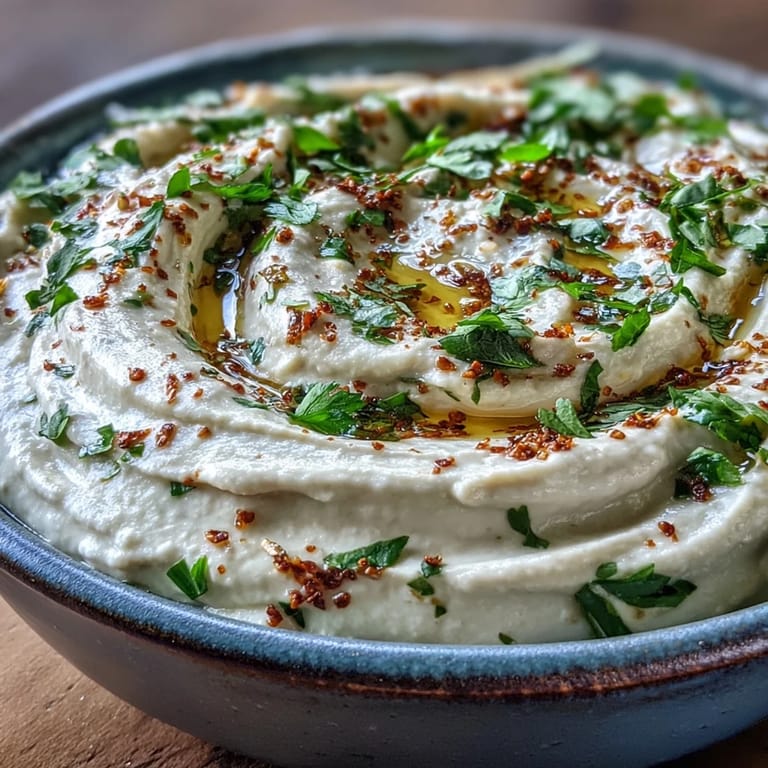
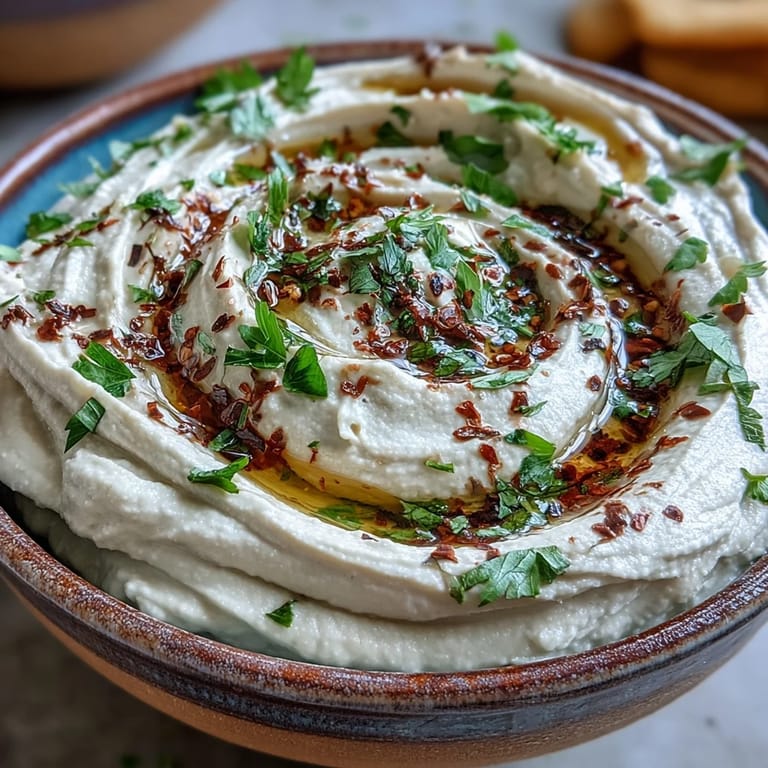
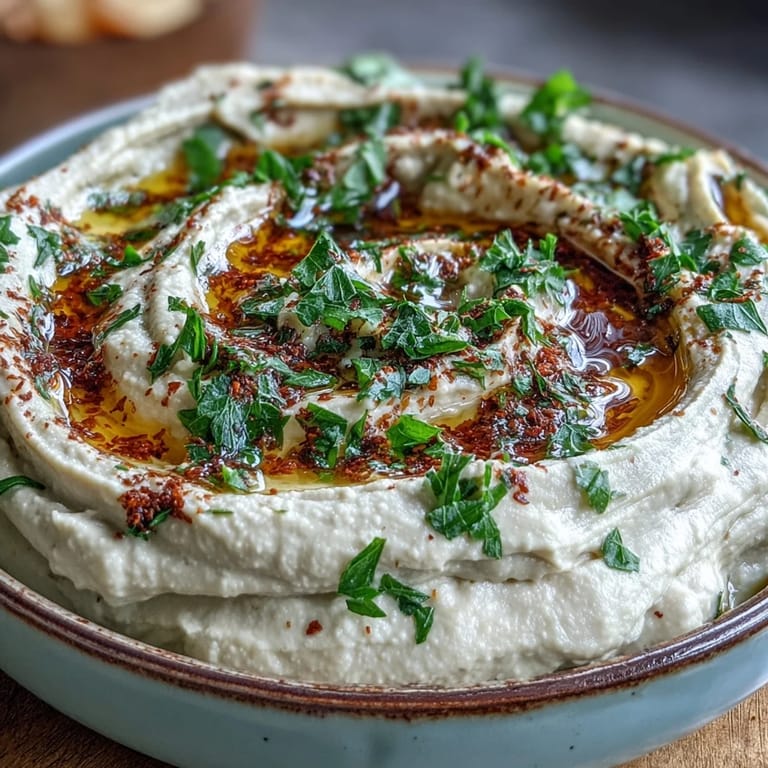
- Spoon the hummus into a serving bowl, then drizzle with olive oil in a gentle spiral, creating little pools at the edges. Dust the paprika or sumac across the top and scatter parsley over everything, making it look like you put thought into presentation even though you really didn't.
 Pin it
 My friend's four-year-old actually ate vegetables for the first time because of this hummus, dipping snap peas into a bowl while barely looking at it, just focused on the act of dunking things. Sometimes food becomes more than nutrition or flavor—it becomes the small bridge that lets someone discover something new about themselves.
Why This Works as Your New Dip
Most dips feel heavy after a few bites, but this one doesn't—the black-eyed peas keep it lighter than traditional hummus while staying substantial enough to feel like real food. I've served it at parties where people gravitated back to it three or four times, which tells me something is working right. The tahini acts as an emulsifier, bringing everything together into this velvety texture that coats your mouth in the best way.
Making It Your Own
This recipe is forgiving enough to play with once you've made it once or twice. Some nights I add roasted red peppers for sweetness, other times I stir in a tiny pinch of cayenne if I want some heat creeping in. The base is strong enough that it can handle your experiments without falling apart.
Storage and Serving Ideas
Keep it in an airtight container in the refrigerator for up to four days, though it rarely lasts that long in my house. The flavor actually deepens slightly as it sits, so day two sometimes tastes even better than day one, with the spices having more time to settle in. Serve it with fresh vegetables, pita bread, gluten-free crackers, or even on roasted toast for a quick afternoon snack.
- If it thickens after sitting in the fridge, just stir in a tablespoon of water or olive oil to bring back the creaminess.
- Leftovers also work beautifully as a spread on sandwiches or wraps, adding protein and flavor without the heaviness of mayo.
- You can make a double batch and freeze half in an ice cube tray for portions you can thaw later.
 Pin it
 This hummus feels like the kind of dish that quietly becomes part of your kitchen rotation, the one you make when you want something nourishing that doesn't feel like a chore. It's proof that simple ingredients, when combined with intention, can turn into something people actually crave.
Recipe FAQs
- → Can I use canned black-eyed peas?
Yes, canned black-eyed peas work perfectly. Simply drain and rinse them thoroughly before blending. One 15-ounce can equals approximately 1.5 cups cooked peas.
- → How long does this spread last in the refrigerator?
Store in an airtight container in the refrigerator for up to 4 days. The flavors often develop and improve after a day or two.
- → What can I serve with this hummus?
Pair with fresh vegetables like carrots, cucumbers, and bell peppers. Warm pita bread, crackers, or use as a spread in sandwiches and wraps for added protein.
- → Can I make this without tahini?
Tahini provides the signature creamy texture and nutty flavor. Substitute with almond butter or cashew butter, though the taste profile will change slightly.
- → Why add water to the blend?
Water helps achieve the desired smooth, creamy consistency. Add one tablespoon at a time until you reach your preferred texture for dipping or spreading.
- → Is this suitable for meal prep?
Absolutely. This spread holds its texture and flavor well when refrigerated. Prepare a batch at the beginning of the week for quick snacks or lunches.