 Pin it
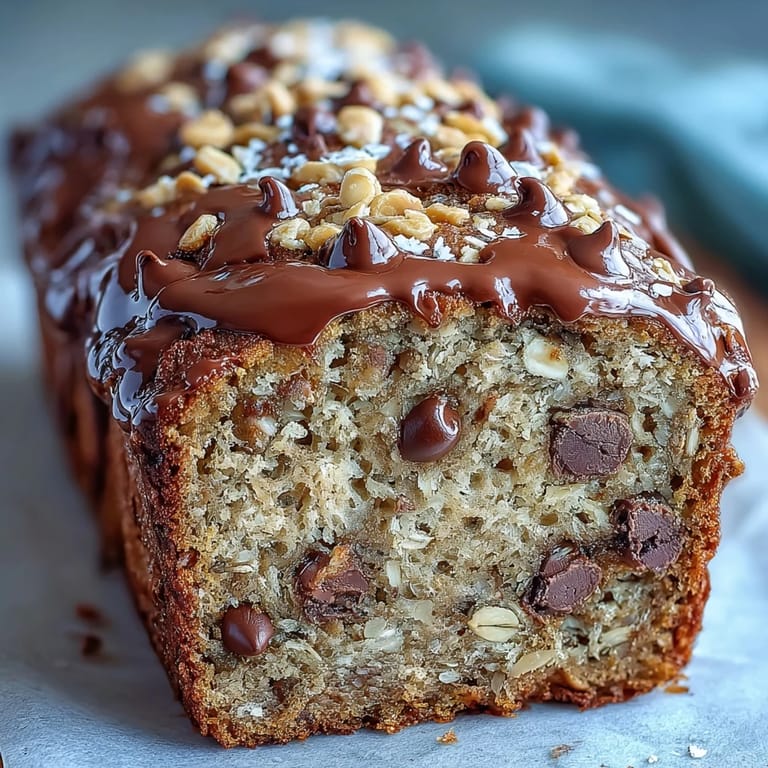
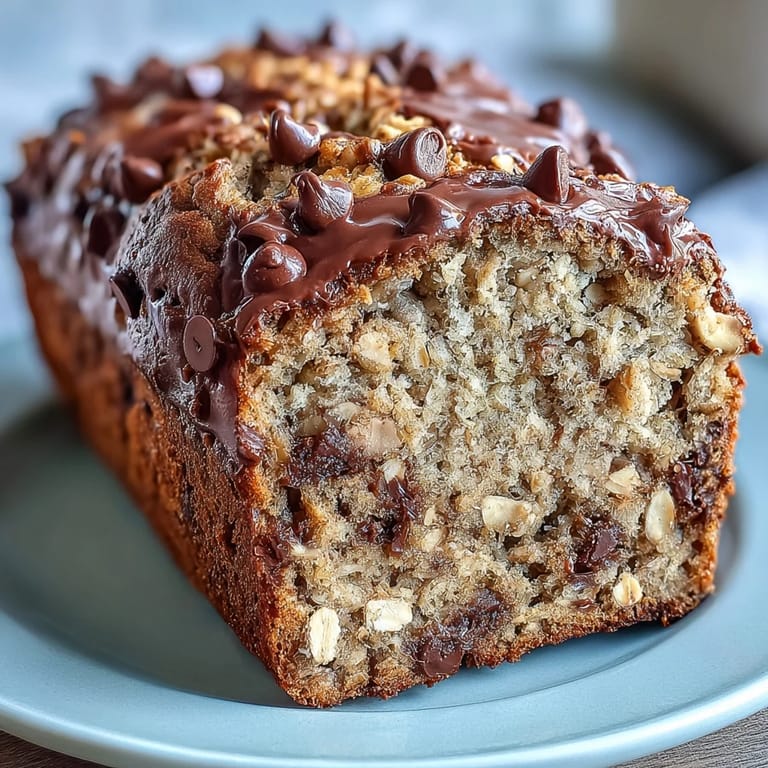
 There's something wonderfully grounding about a loaf of banana bread cooling on the counter while your kitchen smells like toasted oats and melting chocolate. I stumbled onto this version during one of those mornings when I had three overripe bananas practically begging to be used, a jar of peanut butter that'd been sitting untouched, and a vague craving for something that felt both comforting and a little bit indulgent. What started as me throwing together what I thought would be a simple quick bread turned into something I've been making ever since—the kind of recipe that somehow tastes better than it should for how little effort it actually takes.
I made this for my neighbor last spring when she mentioned offhand that she was tired of store-bought snacks, and watching her face light up when she bit into a slice was one of those small kitchen moments that stuck with me. She asked for the recipe immediately, and now whenever I bake a loaf, I inevitably end up giving half of it away because the smell alone brings people to the kitchen asking what's happening. That's when I realized this wasn't just a recipe I loved—it was one that made other people feel genuinely cared for.
Ingredients
- All-purpose flour (1 ½ cups): The structure-builder that keeps everything from turning into a brick; make sure to spoon and level it rather than scooping straight from the bag, which always packs it too tightly.
- Old-fashioned rolled oats (1 cup): These give the bread a tender crumb and a subtle heartiness that makes it feel less like dessert and more like something you can justify eating before noon.
- Baking soda and baking powder (1 tsp and ½ tsp): The dynamic duo that gives you lift without making the bread taste metallic or over-risen; use fresh leavening agents because old ones are basically just taking up cabinet space.
- Salt and cinnamon (½ tsp and 1 tsp): Salt amplifies every flavor around it, and cinnamon whispers warmth throughout the entire loaf without announcing itself loudly.
- Ripe bananas, mashed (3 medium): The spottier they are, the sweeter and more aromatic they'll be—this is where most of your natural sweetness comes from, so don't use the pale yellow ones hiding in your fruit bowl.
- Creamy peanut butter (½ cup): The soul of this recipe; use the real stuff with just peanuts and salt because the oils in natural peanut butter actually work better here than sweetened versions.
- Light brown sugar (½ cup packed): Brown sugar's molasses gives the bread moisture and a subtle depth that white sugar never quite achieves, and packing it into the measuring cup matters more than you'd think.
- Neutral oil (¼ cup): Keeps the crumb tender and moist without the flavor competition that butter would bring, though melted coconut oil works beautifully if you have it.
- Eggs and vanilla extract (2 large eggs and 1 tsp): Eggs bind everything together and add lift, while vanilla makes you feel like you're eating something fancy even though it's perfectly humble.
- Semisweet chocolate chips (¾ cup): These are the reward for all the wholesome ingredients, little pockets of joy that melt just enough without disappearing completely.
- Chopped roasted peanuts (¼ cup, optional): They add a satisfying crunch and remind you that you're eating something with actual texture, not just a dense, wet sponge.
Tired of Takeout? 🥡
Get 10 meals you can make faster than delivery arrives. Seriously.
One email. No spam. Unsubscribe anytime.
Instructions
- Prepare your stage:
- Preheat your oven to 350°F and grease a 9x5-inch loaf pan—I like lining mine with parchment paper because peeling it away hot from the sides feels like unwrapping a gift. If you skip the parchment, at least butter the bottom and sides generously so nothing sticks.
- Combine all the dry stuff:
- In a large bowl, whisk together flour, oats, baking soda, baking powder, salt, and cinnamon until they're evenly distributed. This step matters more than it seems because you're making sure the leavening agents are spread throughout, not sitting in one clump waiting to create a weird bump in your bread.
- Mix the wet ingredients together:
- In another bowl, combine mashed bananas, peanut butter, brown sugar, oil, eggs, and vanilla, then whisk until everything comes together into a smooth, pourable mixture. This might take a bit more whisking than you expect because peanut butter can be stubborn, but it'll eventually cooperate.
- Bring it all together gently:
- Pour the wet mixture into the dry mixture and fold everything together with a spatula until just combined—this is the moment where overmixing will make your bread dense and gummy instead of tender and light. You want to see just a few flour streaks remaining; that's your signal to stop.
- Add the good stuff:
- Fold in chocolate chips and peanuts, reserving a small handful for sprinkling on top so everyone knows exactly what they're getting. The reserved toppings also look intentional and a little bit bakery-level.
- Get it into the pan:
- Pour the batter into your prepared pan and smooth the top gently with the back of your spatula, then sprinkle those reserved chips and peanuts across the surface. This moment always feels like you're finishing a little edible painting.
- Bake until golden:
- Bake for 50–55 minutes, checking with a toothpick inserted in the center around the 50-minute mark—you want it to come out with a few moist crumbs clinging to it, not completely clean and not soaking wet. The kitchen should smell incredible by now, and resisting the urge to eat it immediately becomes genuinely difficult.
- Cool with patience:
- Let it sit in the pan for 10 minutes to firm up enough to handle, then transfer it to a wire rack to cool completely before slicing. I know waiting is torture, but slicing it while it's still warm will make it crumbly and messy, so take a deep breath and make some tea.
 Pin it
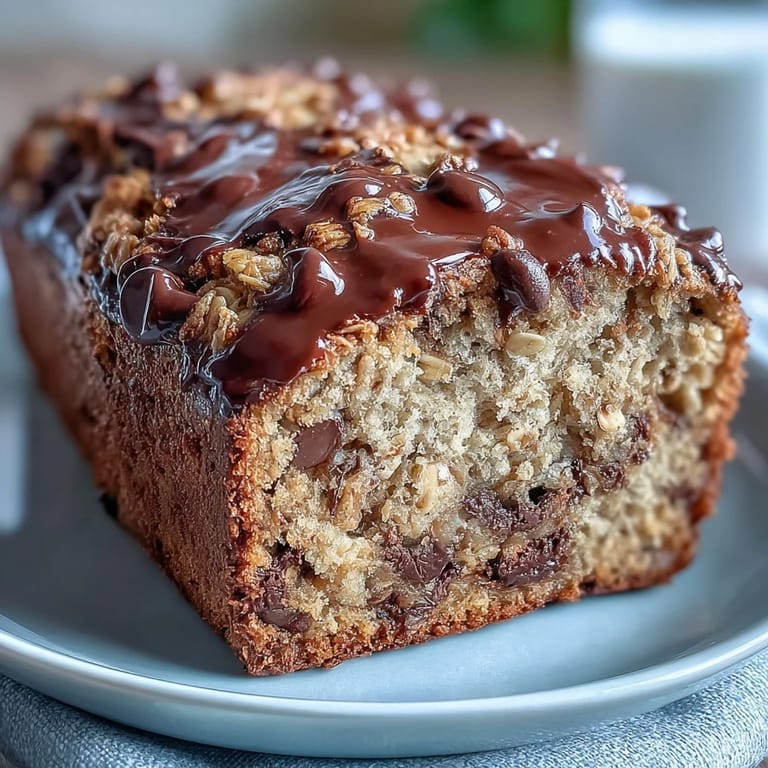
 There was an afternoon when my kid came home from school stressed about a presentation, and I quietly sliced them a piece of this bread still warm from the cooling rack with a glass of cold milk. They didn't say much, but they ate the whole slice while telling me about their day, and somehow that felt like everything working exactly the way it should.
Why This Combination Actually Works
The peanut butter does something almost magical here—it adds richness and moisture while keeping the bread from tasting like a plain banana cake. The oats contribute substance and a slight nuttiness that ties the whole thing together, and that cinnamon adds a warmth you don't notice until you think about it, at which point you realize it's been working quietly the whole time. Chocolate chips are chocolate chips, obviously, but in this context they feel less like an indulgence and more like the punctuation mark that makes the sentence complete.
Storage and Keeping It Fresh
I've found that this bread actually tastes better on day two or three than it does fresh from the cooling rack, so wrapping it tightly in plastic wrap and leaving it at room temperature is actually a feature, not a bug. If you somehow end up with more than you can eat in three days, freezing it works brilliantly—wrapped well, it'll keep for two months, and you can thaw a slice whenever you need a small moment of comfort.
Variations That Don't Wreck the Thing
Once you've made this a time or two and feel comfortable with how it behaves, you can start playing with it in ways that usually work beautifully. Swirling two tablespoons of extra peanut butter on top before baking creates pockets of pure peanut butter throughout the loaf, and substituting almond butter or sunflower seed butter gives you completely different but equally delicious results. You could use dark chocolate chips if you want something less sweet, or add a quarter cup of chopped white chocolate for a completely different vibe, and I've even experimented with a handful of chopped pretzels for people who like a little contrast in their texture.
- If you want to make it feel extra special, dust the cooled loaf with powdered sugar or a light drizzle of peanut butter glaze for presentation.
- Almond extract or a tiny bit of espresso powder in the batter adds intrigue without changing what the bread fundamentally is.
- Always taste a banana before you mash it to make sure it's actually sweet enough to use—the quality of your bananas honestly matters more than any other single ingredient.
 Pin it
 This bread has become the thing I reach for when I want to make someone feel cared for without the pretension of a complicated dessert. It's honest and warm and genuinely delicious, which is honestly all any of us really want from food.
Recipe FAQs
- → Can I use quick oats instead of old-fashioned rolled oats?
Old-fashioned rolled oats provide better texture and structure. Quick oats may make the bread too dense or gummy. Stick with rolled oats for the best results.
- → How do I know when the bread is fully baked?
Insert a toothpick into the center—it should come out with a few moist crumbs but not wet batter. The top should be golden brown and firm to the touch. If it browns too quickly, tent with foil.
- → Can I make this without peanut butter?
Yes, substitute with almond butter, sunflower seed butter, or an equal amount of softened butter or coconut oil. Each substitution will slightly alter the flavor profile.
- → Should I use ripe bananas?
Absolutely. Use bananas with plenty of brown spots—they're sweeter, softer, and mash easily. Yellow-green bananas won't provide enough sweetness or moisture.
- → How should I store this bread?
Wrap tightly in plastic or store in an airtight container at room temperature for up to 3 days. For longer storage, freeze individual slices wrapped in plastic and foil for up to 2 months.
- → Can I reduce the sugar?
The brown sugar can be reduced to ⅓ cup, though the bread will be less sweet. The ripe bananas provide natural sweetness, so it still tastes delicious with less added sugar.