 Pin it
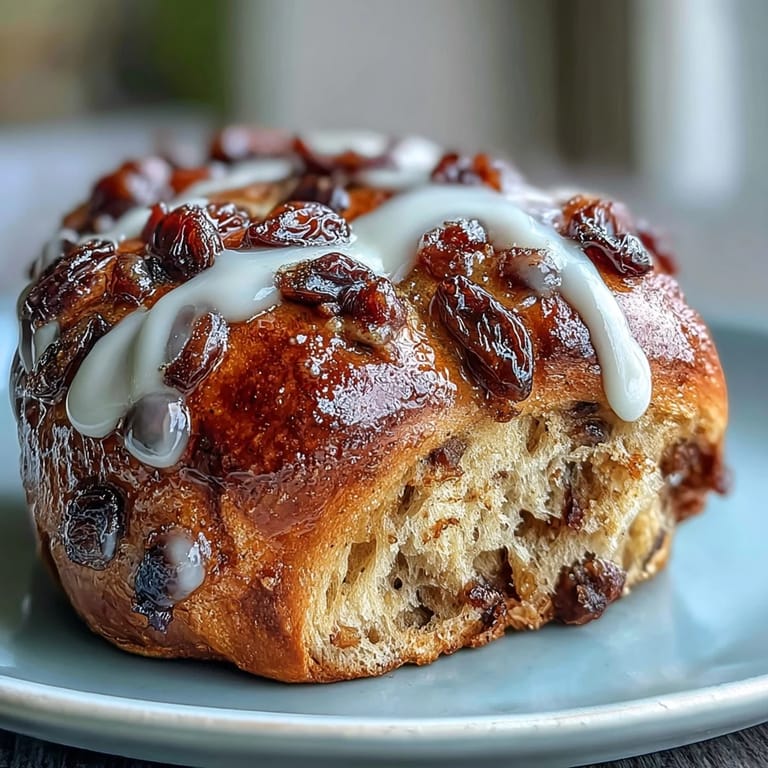
 Whenever I catch the scent of cinnamon and freshly baked bread mingling in the kitchen, I know it’s the unmistakable promise of hot cross buns. One rainy April afternoon, with music humming softly and streetlights flickering early, I tried my hand at the recipe, eager for something cozy and satisfying. The dough clung to my fingers and raisins scattered like confetti—a little mess I’ve come to embrace. I laughed when the flour dusted my apron and the mixer groaned more than I expected. By the time the buns were done, the house felt like spring itself had arrived, regardless of the weather outside.
One chilly Easter morning, I baked a dozen of these to surprise my neighbors, slipping still-warm buns into paper bags to leave on their doorsteps. Later, I spotted happy faces and butter-smeared fingers waving back through the windows, and I realized these little buns had brought a whole street together.
Ingredients
- Bread flour: Essential for the pillowy structure—I've found bread flour makes these buns so much softer than all-purpose.
- Active dry yeast: It's the magic that lifts the dough, but make sure your yeast is fresh; stale yeast leads to sad, heavy buns.
- Ground cinnamon & nutmeg: These cozy spices bring warmth and depth—the smell tells you you’re in for a treat even before the first bite.
- Raisins or currants: Plump and sweet, they’re pockets of juiciness; soak them briefly if they're very dry to avoid chewy surprises.
- Orange zest (optional): For a fresh and slightly tangy note, zesting the orange right over the bowl maximizes the citrus oils.
- Milk & eggs: These enrich the dough, giving the buns their tender crumb, so bring them to room temperature for the best rise.
- Butters: Melted butter helps create a soft and flavorful base—don’t substitute with oil or the texture changes completely.
- Sugar & salt: The sugar balances the spice, while the salt keeps the sweetness from becoming overpowering.
- Cross paste (flour & water): Mixing just enough water for a thick, pipeable paste makes sure the signature cross holds its shape when baked.
- Apricot jam or honey (for the glaze): Brushed on hot, the glaze gives the buns a glossy, just-bakery-look finish and a hint of fruity sweetness.
Tired of Takeout? 🥡
Get 10 meals you can make faster than delivery arrives. Seriously.
One email. No spam. Unsubscribe anytime.
Instructions
- Mix the base:
- Combine bread flour, sugar, yeast, salt, cinnamon, nutmeg, and allspice in a large bowl—run your fingers through the mix and enjoy the aroma, then blend until evenly colored.
- Add wet ingredients:
- Pour in lukewarm milk, melted butter, and eggs, then stir until you have a sticky, shaggy dough—it’s a little messy, but trust the process.
- Knead the dough:
- Work it for 8–10 minutes (stand mixer if you have it!) until the dough is smooth and springs back to the touch; don’t worry if it’s still a bit tacky.
- Stir in fruit and zest:
- Tumble in the raisins and orange zest, kneading just enough to scatter them through—those little bursts of flavor are worth the sticky hands.
- First rise:
- Grease a bowl, nestle the dough inside, cover it, and tuck it away in a warm spot to double—about an hour, perfect time for a tea break.
- Shape the buns:
- Punch down that fluffy dough, split it into 12 and coax each piece into a tight ball; they don’t have to look perfect, I promise they’ll taste great.
- Second rise:
- Transfer your buns to a parchment-lined tray, cover again, and let them puff up for another 45 minutes while you prep the rest.
- Preheat oven:
- Set the oven to 375°F (190°C) so it's hot and ready when your buns have their crosses piped on.
- Make the cross paste:
- Stir flour and water together, aiming for a thick but pipeable texture—transfer to a small bag and snip the end for piping.
- Pipe crosses and bake:
- Draw a neat cross over each bun and bake 20–25 minutes, until deep golden and your kitchen smells incredible.
- Prepare glaze:
- As the buns are baking, gently heat the jam or honey with a splash of water until runny and smooth.
- Glaze and cool:
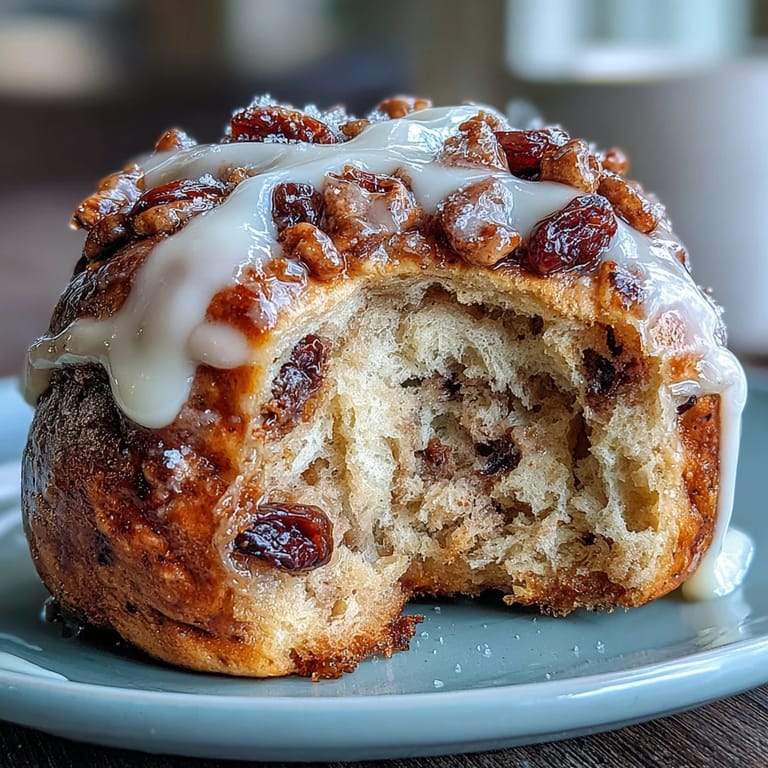
- Brush the buns with glaze as soon as they come out of the oven—don’t skip this step, it adds shine and a sweet finish. Let them cool just enough to handle before digging in!
 Pin it
  Pin it
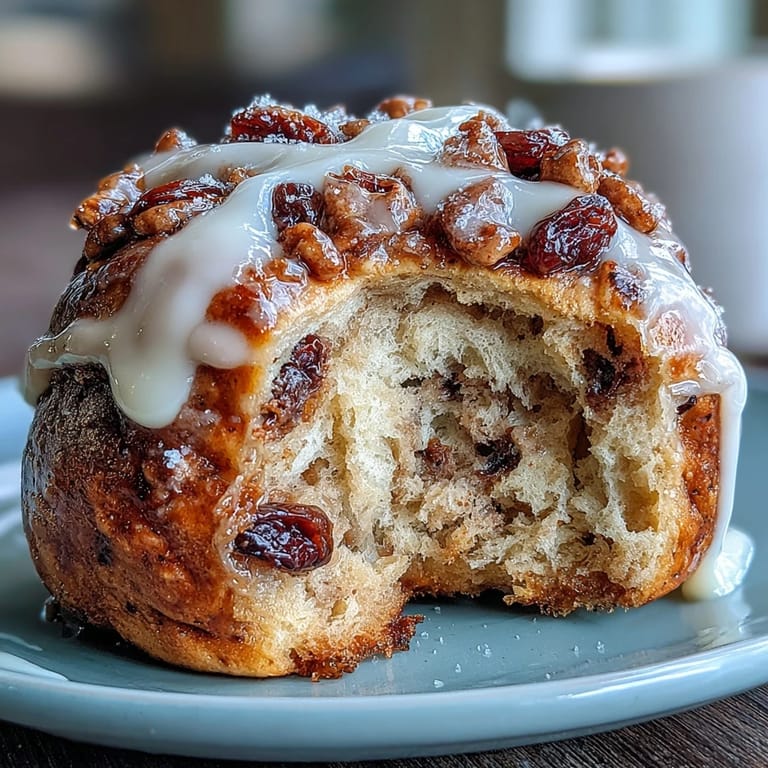
 One year, an impromptu kitchen gathering turned into a laughing contest over who could pipe the straightest cross—none of us succeeded, but the wonky buns tasted all the better for it. That memory of flour-dusted hands and spontaneous joy still makes me smile whenever I pull these out of the oven.
Getting Creative with Flavors
After a few tries, I swapped half the raisins for chopped dried apricots and once tossed in a handful of candied peel for even more depth, so don’t be afraid to adjust the fruit according to what you love or have on hand. One winter, a sprinkle of cardamom made these buns a surprising new favorite with everyone at the table.
Baking and Storing Tips
Freshly baked, they’re unbeatable, but the buns toast up beautifully the next day with a little butter. If you find yourself with leftovers, freeze them in an airtight bag—just a few minutes in a warm oven revives their magic.
Making It Yours
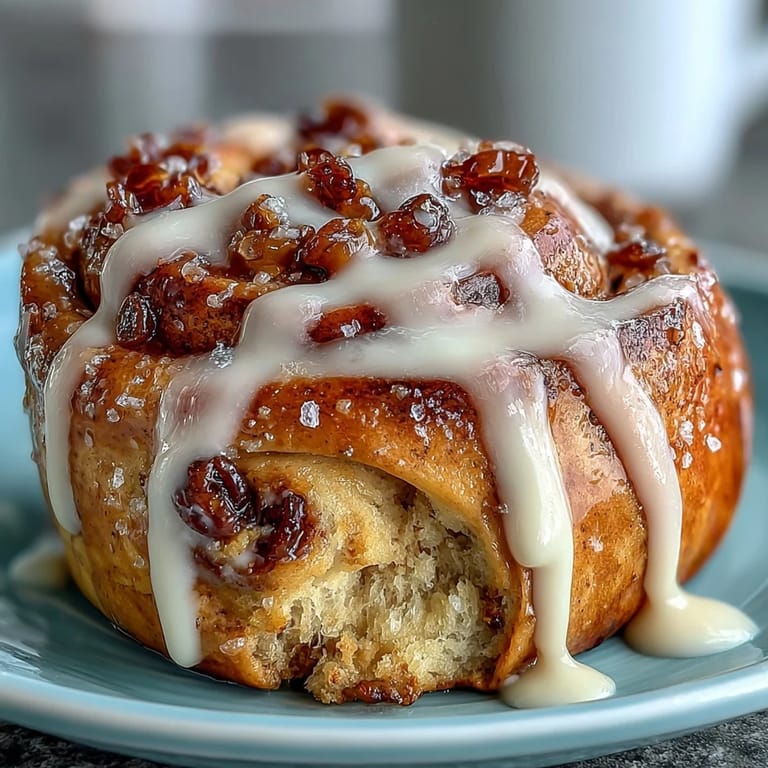
Feel free to use currants or cranberries for a tangier bite, or add a spoonful of orange marmalade directly to the dough for a citrusy punch. Swapping the glaze for a honey drizzle once gave my buns a golden finish and made the kitchen smell like spring even in December.
- Pipe the cross paste slowly—if it’s too runny, stir in a touch more flour.
- Brushing with glaze while hot locks in moisture and shine.
- Don’t skip the salt in the dough—it balances all the sweetness.
 Pin it
  Pin it
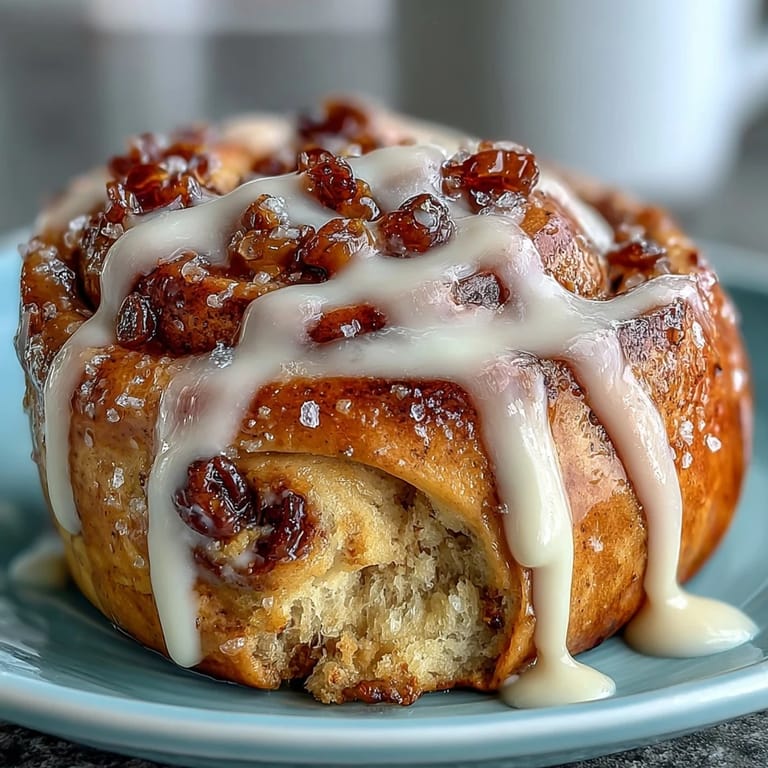
 I hope you get as much delight from baking these hot cross buns as I do—leftovers may be rare, but the memories last far longer. Whether it’s Easter or just any afternoon, sharing a batch always brings a little joy.
Recipe FAQs
- → How do I stop the dough from being too sticky?
Use a light dusting of bread flour while kneading and avoid adding too much liquid at once. Knead until the dough is smooth and elastic; if it's still very sticky after 8–10 minutes, add flour a tablespoon at a time. Allowing a short rest can also make handling easier.
- → Can I substitute the raisins with other dried fruit?
Yes. Swap half or all of the raisins for chopped dried apricots, cranberries, or currants. Keep total fruit weight similar so the dough hydration and rise are not affected.
- → How can I tell when the buns are fully baked?
They should be evenly golden brown on top and sound hollow when tapped at the base. An internal temperature around 190–200°F (88–93°C) indicates doneness for enriched doughs.
- → What is the best way to keep buns soft the next day?
Store completely cooled buns in an airtight container at room temperature for up to two days. Reheat briefly in a low oven or microwave with a damp paper towel to restore softness. For longer storage, freeze and thaw before reheating.
- → Can I prepare the dough ahead of time?
Yes. After the first rise, punch down and refrigerate the dough overnight to develop flavor; bring back to room temperature before shaping. Alternatively, shape and freeze unbaked buns on a tray, then transfer to a bag and bake from frozen, adding a few extra minutes.
- → Tips for piping neat crosses?
Mix the cross paste to a thick, pipeable consistency and transfer to a piping bag with a small round tip or a snipped plastic bag corner. Pipe in one steady motion across the bun and then the perpendicular line for a clean cross. If the paste is too runny, add a touch more flour.