 Pin it
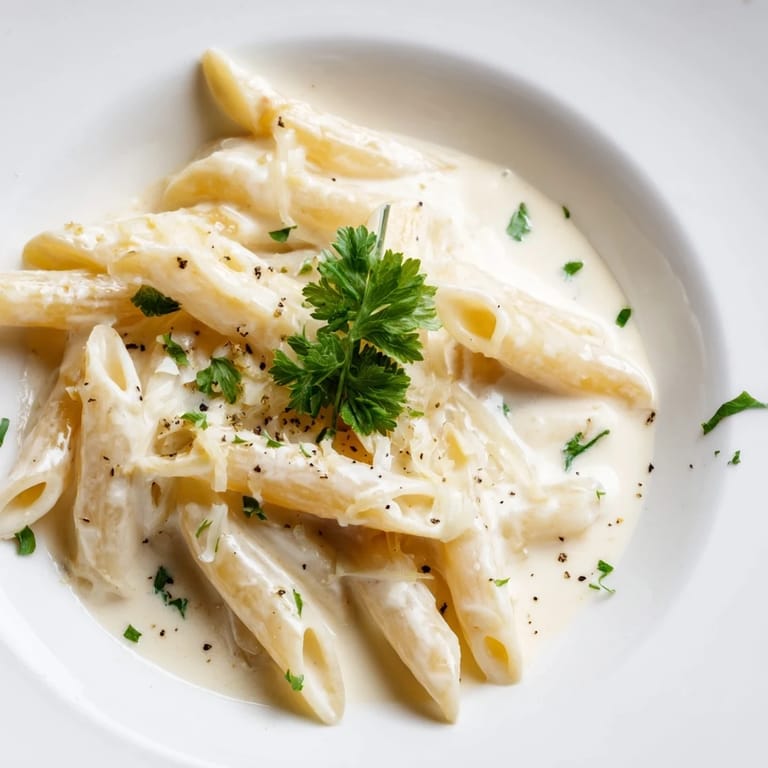
 My daughter wandered into the kitchen one Wednesday evening, opened the fridge, and asked what we were having for dinner. I had pasta and milk, butter in the door, a wedge of Parmesan. No cream, no stock, no plan. I tossed it all in a pan and something magic happened. The milk reduced into this velvety, clinging sauce that coated every piece of pasta like a warm hug, and she ate two bowls without a word.
I made this again the following Saturday for friends who dropped by unexpectedly. They stood around the stove, watching the milk bubble and thicken, skeptical at first. Then they tasted it. One of them, a chef, tilted his head and said it reminded him of his nonnas risotto, but faster. We finished the whole pan standing up, forks clicking against the sides, talking and laughing until the kitchen went dark.
Ingredients
- Short pasta (penne, fusilli, or rigatoni): These shapes grab onto the creamy sauce and cook evenly in the milk, I learned that elbows can get mushy too fast.
- Whole milk: The fat content is essential for the sauce to thicken properly without curdling, skim milk just doesnt work here.
- Unsalted butter: It adds richness and helps the garlic bloom without burning, plus you control the salt level better.
- Grated Parmesan cheese: Freshly grated melts smoother and tastes sharper than the pre-shredded kind, which can clump.
- Garlic cloves, minced: Just enough to perfume the milk without overpowering it, I once added too much and it tasted like garlic soup.
- Salt, black pepper, and nutmeg: The nutmeg is optional but it adds a whisper of warmth that makes people ask what that flavor is.
- Fresh parsley and extra Parmesan: A handful of green and a snowfall of cheese make it look like you tried harder than you did.
Tired of Takeout? 🥡
Get 10 meals you can make faster than delivery arrives. Seriously.
One email. No spam. Unsubscribe anytime.
Instructions
- Bloom the garlic:
- Melt the butter in a large deep skillet over medium heat, then add the minced garlic and stir for about a minute. You want it fragrant and golden, not brown, because burnt garlic turns bitter and ruins the whole pot.
- Heat the milk gently:
- Pour in the milk and bring it just to a gentle simmer, watching for tiny bubbles around the edge. If it boils hard, the milk can break and turn grainy instead of creamy.
- Add the pasta and season:
- Stir in the pasta, salt, pepper, and nutmeg if youre using it. Make sure every piece is submerged so it cooks evenly and doesnt stick to the bottom.
- Stir and simmer:
- Cook uncovered for 12 to 15 minutes, stirring every few minutes to keep the pasta from clumping. The milk will reduce and thicken into a silky sauce that clings to the noodles.
- Finish with Parmesan:
- Stir in the grated Parmesan until it melts completely and the sauce turns glossy. Taste it and add more salt or pepper if needed, everyones palate is different.
- Serve immediately:
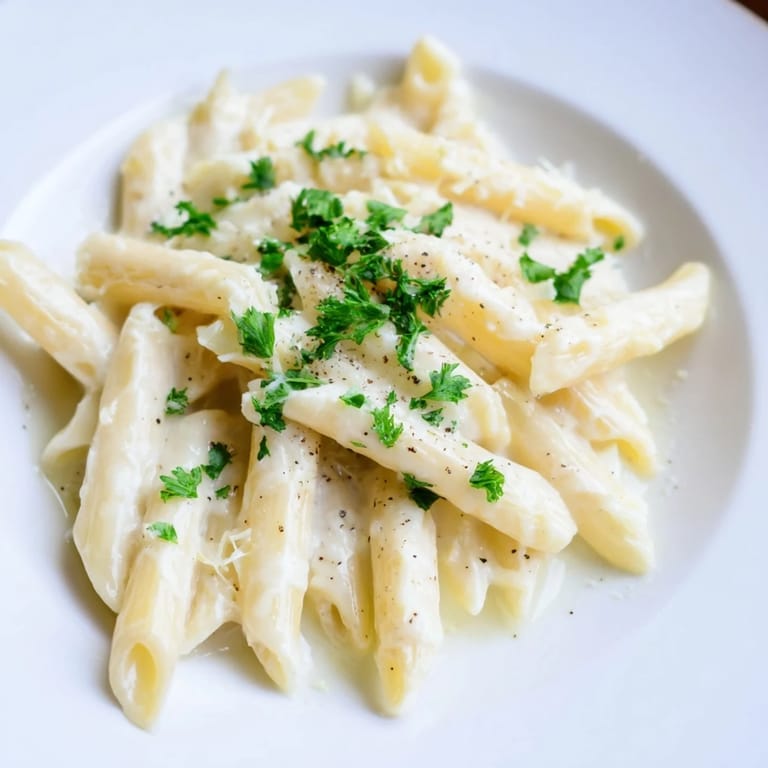
- Take it off the heat and portion it into bowls while its hot. Sprinkle fresh parsley and extra Parmesan on top, then eat it right away before the sauce thickens too much.
 Pin it
 The first time I served this to my husband, he looked at me like I was trying to trick him. Pasta cooked in milk? But after one bite, he went quiet, then reached for seconds. Now he asks for it on cold nights when we want something warm and easy. Its become our go-to comfort meal, the kind that makes the house smell like a hug.
Making It Your Own
I started adding things once I got comfortable with the base recipe. Sauteed mushrooms and spinach turn it into something heartier, almost like a creamy pasta primavera. A handful of frozen peas stirred in at the end adds sweetness and color. For a richer finish, I sometimes swirl in a spoonful of cream cheese or mascarpone just before serving. My brother-in-law, who eats meat with everything, crumbles cooked bacon over his bowl and swears its better that way.
What to Serve It With
This pasta is rich enough to stand alone, but I like to balance it with something crisp and bright. A simple arugula salad with lemon and olive oil cuts through the creaminess. Garlic bread is overkill but no one complains when I make it anyway. If youre pouring wine, a chilled Pinot Grigio or Sauvignon Blanc is perfect, the acidity lifts the richness without fighting it.
Storage and Reheating
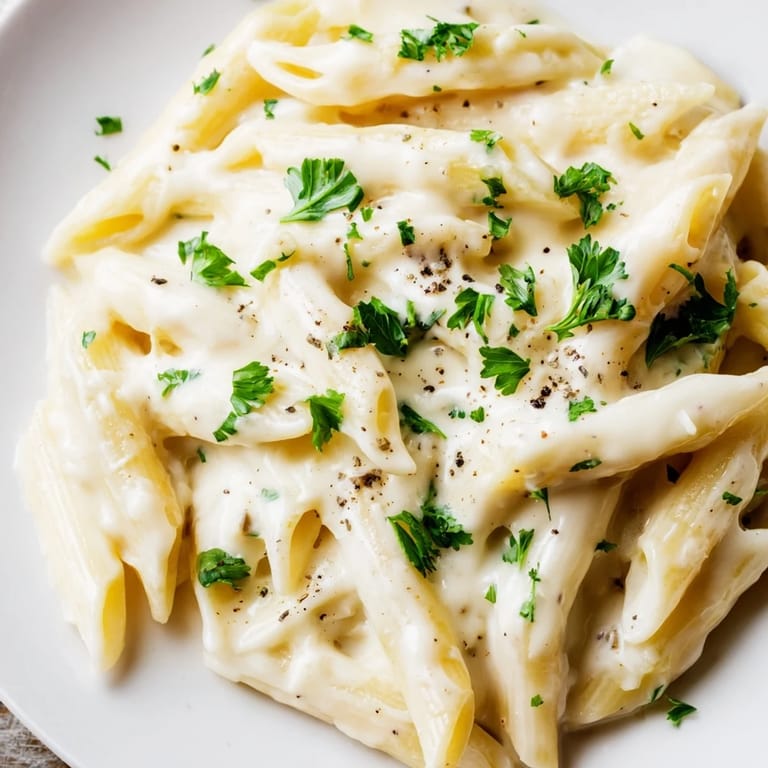
Leftovers thicken up in the fridge as the pasta absorbs more sauce overnight. I reheat it gently in a skillet with a splash of milk or water, stirring until it loosens up again. It wont be quite as silky as the first night, but its still creamy and comforting. Ive eaten it cold straight from the container at midnight, and honestly, it still tastes good.
- Store in an airtight container in the fridge for up to three days.
- Reheat gently over low heat with a little milk to bring back the creaminess.
- Freezing is not recommended, the milk sauce can separate and turn grainy when thawed.
 Pin it
 This is the kind of recipe that surprises people because its so simple and so good. Make it once and youll keep it in your back pocket for busy nights, unexpected guests, or when you just need something warm and easy.
Recipe FAQs
- → Can I use a different type of milk?
Whole milk works best for creaminess and richness. You can use 2% milk, though the sauce may be slightly less creamy. Avoid skim milk as it won't thicken properly. Non-dairy alternatives like oat or cashew milk can work but may require cornstarch for proper thickening.
- → Why is my sauce too thin?
If sauce isn't thickening enough, simmer longer with the lid off to allow natural evaporation. Increase heat slightly to encourage thickening, or stir in a cornstarch slurry (1 tablespoon cornstarch mixed with 2 tablespoons cold water). Ensure you're stirring frequently to prevent scorching.
- → Can I prepare this ahead of time?
This dish is best served immediately while the sauce is silky and the pasta is at peak texture. Leftover portions can be refrigerated for 2-3 days and reheated gently with additional milk to restore creaminess. Add milk gradually while stirring over medium-low heat.
- → What pasta shapes work best?
Short, sturdy pasta shapes like penne, fusilli, and rigatoni work wonderfully as they cook evenly and hold sauce well. Avoid very thin pasta like angel hair, which may overcook. Consistency in pasta size ensures even cooking throughout the one-pot process.
- → How do I prevent a burnt bottom?
Stir frequently throughout cooking, especially after the pasta begins softening. Use a wide, shallow pan rather than a narrow pot to distribute heat evenly. Medium heat is key—too high will scorch the bottom. A wooden spoon helps prevent sticking better than metal.
- → Can I add vegetables to this dish?
Absolutely. Pre-cook or sauté vegetables like mushrooms, spinach, peas, or broccoli before adding pasta, or add delicate greens during the final minute. Heartier vegetables can be added with the pasta. This adds nutrition and flavor without affecting cooking time significantly.