 Pin it
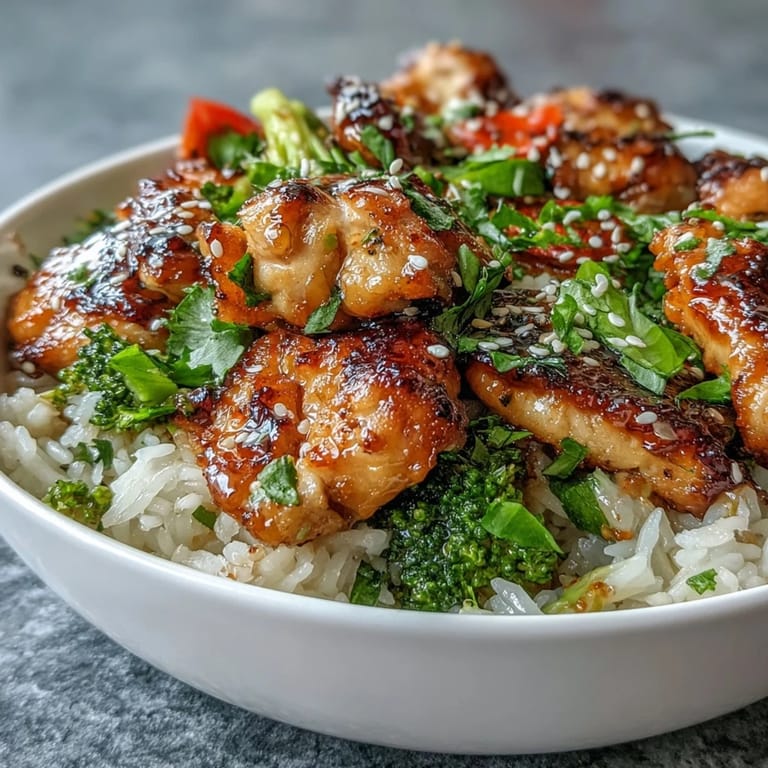
 There's a Tuesday night I'll never forget when my partner came home exhausted and I had exactly 45 minutes to pull together something that tasted like we'd ordered from that fancy takeout place down the street. One pan, minimal cleanup, maximum flavor—that was the mission. I threw chicken, rice, and broccoli into a skillet with a honey-garlic sauce that smelled so good, they walked into the kitchen mid-cook and just stood there breathing it in. Turns out, those are the meals that become habits, the ones you make over and over because they actually deliver on the promise of being easy and delicious.
I made this for a friend's dinner party once when she mentioned she needed something weeknight-friendly but impressive enough that guests would think she'd spent all day cooking. She kept asking what restaurant I'd gotten the recipe from, and when I told her it was just a skillet and 30 minutes of actual cooking time, she looked genuinely skeptical until she tasted it. Now she makes it constantly and tells people the same thing I told her: this is what smart cooking looks like.
Ingredients
- Boneless, skinless chicken thighs or breasts (1 lb / 450 g), cut into 1-inch pieces: Thighs stay juicier than breasts, but either works; the key is cutting them roughly the same size so they cook evenly.
- Long-grain white rice, rinsed (1 cup / 200 g): Rinsing removes excess starch so grains stay separate and fluffy instead of turning into a starchy clump.
- Broccoli florets (2 cups / 175 g): Cut them so they're roughly the same size as your chicken pieces; this way they cook through without falling apart.
- Carrot, peeled and diced (1 medium): Adds subtle sweetness and a little textural contrast that makes every bite feel intentional.
- Green onions, sliced (3, with some reserved for garnish): The reserved ones go on top for a fresh pop at the end; this small detail is what makes it feel finished.
- Honey (3 tbsp): This is what makes the sauce taste like takeout; don't skip it or use a substitute.
- Garlic, minced (4 cloves): Fresh garlic is non-negotiable here; the heat slightly mellows it while keeping it aromatic and alive.
- Low-sodium soy sauce (1/4 cup / 60 ml): Low-sodium lets you control the salt level without the sauce tasting tinny.
- Rice vinegar (1 tbsp): The acidity cuts through the richness and brings everything into balance.
- Sesame oil (1 tbsp): Use the good stuff; a little goes a long way and transforms the whole flavor profile.
- Ground black pepper (1/2 tsp): Freshly ground makes a noticeable difference, though pre-ground works if that's what you have.
- Low-sodium chicken broth (2 cups / 480 ml): This is your cooking liquid and becomes part of the sauce, so quality matters.
- Sesame seeds and reserved green onions for garnish: These finishing touches turn a weeknight dinner into something worth photographing.
Tired of Takeout? 🥡
Get 10 meals you can make faster than delivery arrives. Seriously.
One email. No spam. Unsubscribe anytime.
Instructions
- Make the sauce while your pan heats:
- Whisk honey, minced garlic, soy sauce, rice vinegar, sesame oil, and black pepper together in a small bowl. This takes two minutes and means you're not fumbling with bottles mid-cook when the pan is hot and things are moving fast.
- Sear the chicken until it's golden at the edges:
- Heat your large skillet over medium-high heat with just a drizzle of oil, then add chicken pieces in a single layer. Let them sit for 2-3 minutes per side—you're not looking for them to be cooked through, just lightly browned so they develop flavor. The pan should sizzle when the chicken hits it.
- Build the base with rice and vegetables:
- Add the rinsed rice, diced carrots, and most of the green onions to the pan with the chicken. Stir everything together so it's mixed but not mushed; you're creating a foundation that will cook evenly.
- Pour in the sauce and broth, then bring to a boil:
- This is when the magic smell happens—that moment when honey and garlic hit the hot pan and the whole kitchen changes. Stir so everything is combined and submerged, then let it come to a gentle boil.
- Simmer covered on low heat for 15 minutes:
- Turn the heat down so the pan is just barely bubbling, cover it, and set a timer. This is when the rice absorbs the liquid and the chicken finishes cooking gently without drying out.
- Add broccoli without stirring and cook for 8-10 minutes more:
- Lift the lid, scatter broccoli florets evenly over the surface, and replace the lid immediately without stirring. This keeps the broccoli from overcooking while the rice finishes; you'll know it's done when all the liquid is absorbed and a fork glides through the rice easily.
- Rest for 5 minutes covered, then fluff and serve:
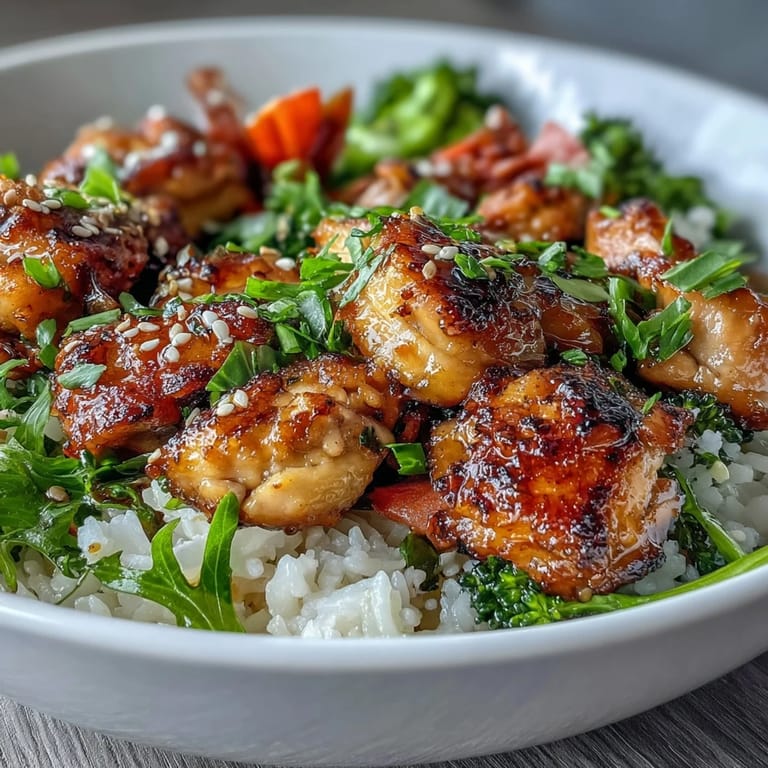
- Remove from heat and let it sit undisturbed; this allows the rice to finish setting and flavors to settle. Fluff gently with a fork, top with sesame seeds and reserved green onions, and eat it while it's still hot.
 Pin it
 My mom made this once when I was visiting and she used it as her whole strategy for getting my brother—who eats like a skeptical toddler—to actually try vegetables. He devoured it and asked for seconds before he even realized broccoli was in there, which is when we all learned that sometimes the trick to feeding people is just making it taste better than whatever they thought they wanted. That one meal shifted how she thinks about cooking.
Why This One-Pan Method Actually Works
Cooking the rice in broth instead of water means it's already absorbing flavor from the beginning, not just salt at the end. The chicken releases moisture and proteins into the liquid as it cooks, enriching the broth further, which then gets absorbed into the rice—it's this beautiful cycle of flavor building that you don't get when you cook components separately. By the time everything is done, there's no underseasoned rice or boring chicken breast situation happening; everything is bound together by the same sauce.
Variations That Actually Work
Brown rice needs more liquid and longer cooking (use 2 1/2 cups broth and add broccoli after 35-40 minutes instead of 15), so plan accordingly if you're switching grains. For heat, a half teaspoon of crushed red pepper stirred into the sauce transforms it without overwhelming the honey-garlic balance. Snap peas or bell peppers swap in beautifully for broccoli or carrots if that's what your kitchen has or what you're craving.
The Finishing Details That Matter
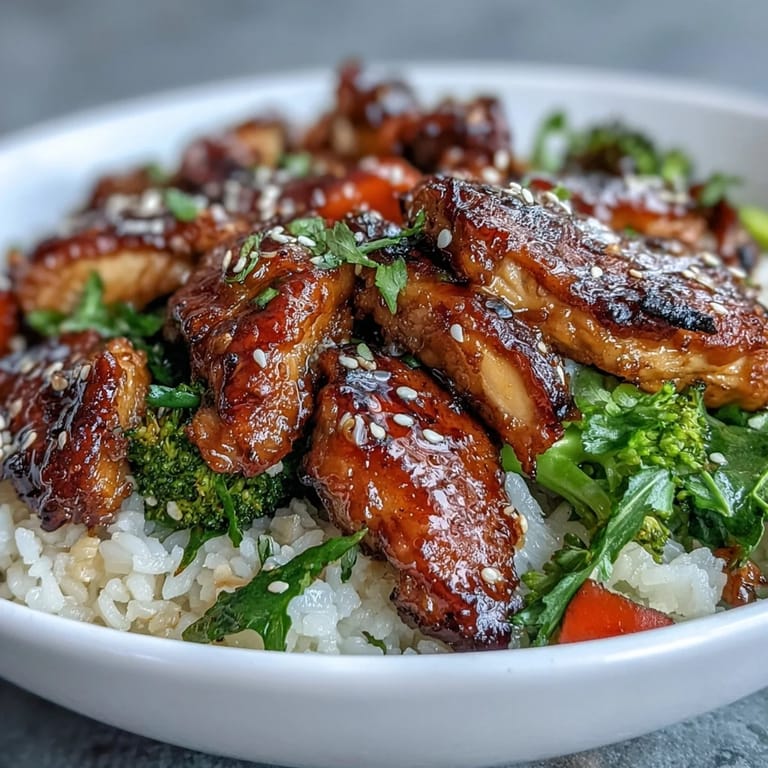
Sesame seeds are optional on paper but essential in practice; they add a nutty depth and textural crunch that signals to your brain that this is intentional cooking, not just throwing things together. A crisp white wine like Sauvignon Blanc paired alongside cuts through the richness and adds brightness that your palate will appreciate, though water works if that's not your situation.
- Toast the sesame seeds in a dry pan for 30 seconds before serving if you have time; it wakes up their flavor completely.
- Green onion garnish isn't just decoration—it's freshness against the warm, savory pan, and you'll notice the difference every time.
- Leftovers reheat beautifully with a splash of water or broth, and it's legitimately good as a cold salad the next day if you break up the rice.
 Pin it
 This meal has become my answer to the question of what to cook when nothing in the fridge excites you but you don't want to pretend takeout tastes like homemade—it bridges that gap beautifully. Make it once and it becomes the recipe you pull out when you need something that's equal parts easy and impressive.
Recipe FAQs
- → Can I use brown rice instead of white rice?
Yes, substitute brown rice for white rice. You'll need to increase the chicken broth to 2 1/2 cups and extend the simmering time to 35-40 minutes before adding the broccoli florets.
- → What other vegetables can I add to this dish?
Snap peas, bell peppers, or sliced mushrooms work beautifully. Add them along with the broccoli or substitute partially for variety in color and texture.
- → Can I make this dish spicier?
Add 1/2 teaspoon crushed red pepper flakes to the sauce mixture for gentle heat. For more intensity, increase to 1 teaspoon or add a drizzle of sriracha when serving.
- → Is this dish gluten-free?
The dish can be gluten-free if you use tamari or a certified gluten-free soy sauce. Double-check all ingredient labels to ensure they meet your dietary needs.
- → How should I store leftovers?
Store cooled leftovers in an airtight container in the refrigerator for up to 4 days. Reheat gently in the microwave with a splash of water to prevent drying.
- → Can I use chicken breasts instead of thighs?
Boneless skinless chicken breasts work well. Cut them into 1-inch pieces and follow the same instructions. They may cook slightly faster than thighs.