 Pin it
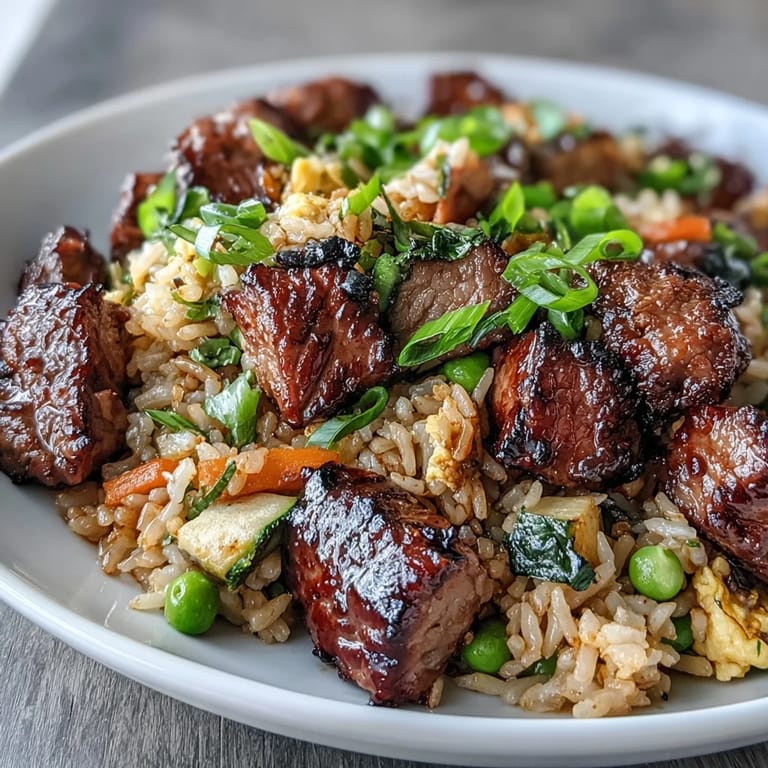
 My neighbor invited me over for dinner on a random Tuesday, and I watched in fascination as she cooked steak and rice on a massive griddle, chopping and flipping everything with theatrical flair. I went home that night determined to recreate that hibachi magic on my regular stovetop, and what emerged was something even better—faster, less fussy, and somehow more satisfying because it came together in my own small kitchen. This one-pan wonder became my secret weapon for impressing people without spending hours at the stove, and honestly, it's been on repeat ever since.
I made this for my sister's birthday dinner, and she sat at my kitchen counter sipping wine while I worked the pan, and the whole time she was asking what smelled so incredible. When we sat down to eat, she took one bite and went quiet—not in a bad way, but in that way where food just hits different when someone's put care into it. She's asked me to make it at least a dozen times since then.
Ingredients
- Sirloin steak, cut into 1-inch cubes: Sirloin gives you that meaty richness without being overly expensive, and cutting it into cubes ensures every bite has steak flavor throughout the rice.
- Low-sodium soy sauce: The backbone of your marinade and fried rice seasoning, but go low-sodium so you control the salt level and don't end up with something unpleasantly salty.
- Mirin (or dry sherry): This adds a subtle sweetness that balances the salty soy, creating that addictive hibachi-style flavor—mirin is worth seeking out, but sherry works in a pinch.
- Sesame oil: A little goes a long way here; it's the secret ingredient that makes people wonder what makes this taste so restaurant-like.
- Garlic clove, minced: Fresh garlic beats garlic powder every single time for the marinade, giving the steak a sharp, aromatic kick.
- Ground black pepper: Don't skip this; it adds a subtle heat that complements the other flavors.
- Jasmine rice, cooked and cooled: Day-old rice is non-negotiable here because fresh rice holds too much moisture and turns mushy instead of developing those crispy edges.
- Vegetable oil, divided: You'll use this for cooking the steak and vegetables; it has a higher smoke point than other oils and won't overpower the dish.
- Onion, diced: This is your aromatic base, and dicing it small means it softens quickly and distributes flavor evenly.
- Carrots, diced: They add sweetness and color; dicing them keeps cooking time consistent with the other vegetables.
- Zucchini, diced: A lighter vegetable that cooks quickly and soaks up all those savory pan flavors.
- Mushrooms, sliced: They become tender and meaty when cooked, adding umami depth to the whole dish.
- Frozen peas: These are actually better than fresh here because they're already blanched and just need warming through, so they stay intact and bright.
- Large eggs, lightly beaten: Eggs are the binder that makes fried rice feel luxurious and complete.
- Unsalted butter: This is added at the end to finish the dish with richness and a subtle toasted note.
- Green onions, thinly sliced: Most go in at the end for freshness, but reserve some for garnish to brighten the final plate.
- Sesame seeds and additional green onions for garnish: These aren't just pretty—sesame seeds add a toasted crunch that elevates the whole experience.
Tired of Takeout? 🥡
Get 10 meals you can make faster than delivery arrives. Seriously.
One email. No spam. Unsubscribe anytime.
Instructions
- Marinate the steak while you prep:
- Toss your steak cubes with soy sauce, mirin, sesame oil, minced garlic, and black pepper in a bowl and let them sit for at least 10 minutes. This isn't a long marinade, but it's enough time for the flavors to start penetrating the meat while you're chopping vegetables.
- Sear the steak until golden:
- Heat 1 tablespoon of vegetable oil in a large skillet or wok over medium-high heat until it's almost smoking, then add your marinated steak cubes. Cook for 2 to 3 minutes, stirring occasionally, until they're browned on the outside but still tender inside—you want some color without overcooking them. Remove the steak and set it aside on a clean plate.
- Cook the vegetables until just tender:
- Add the remaining tablespoon of oil to the same pan and sauté your onion, carrots, zucchini, and mushrooms for 4 to 5 minutes. You want them tender but with a slight firmness so they don't turn into mush when everything comes together.
- Scramble the eggs in the center:
- Push all the vegetables to the sides of the pan, leaving a cleared space in the middle, then pour in your beaten eggs. Scramble them until just cooked through—they'll continue cooking a bit more when you add the other ingredients, so don't let them get too firm.
- Combine everything with the rice:
- Add your cooled rice, peas, and cooked steak back into the pan, drizzle everything with soy sauce, and toss everything together using your spatula to break up any clumps. This is where the magic happens—all those flavors start mingling together.
- Finish with butter and green onions:
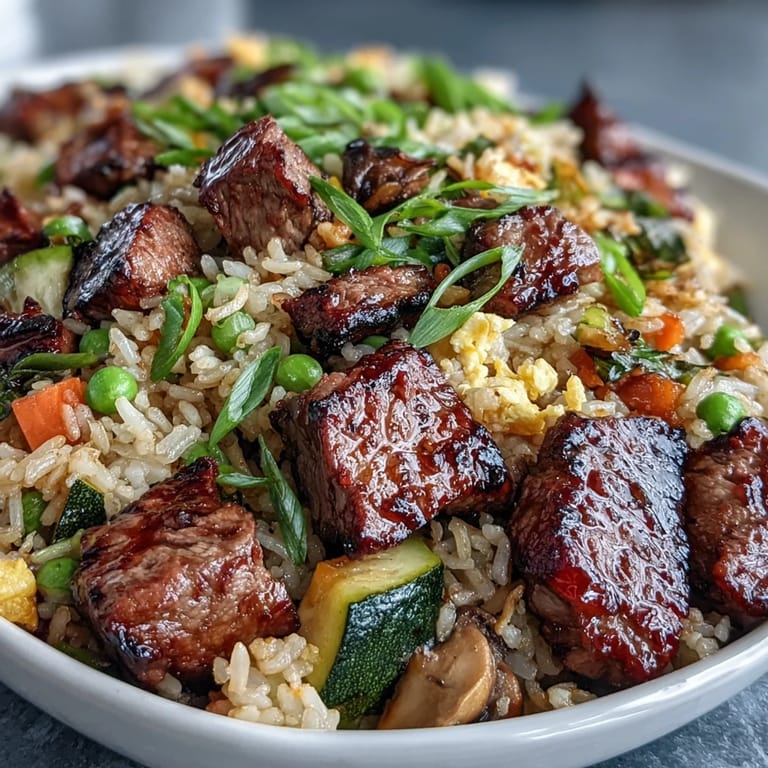
- Stir in the butter and half of the sliced green onions, then cook for another 2 to 3 minutes while stirring frequently. You're looking for some of the rice to get slightly crispy and golden on the bottom of the pan—those bits are the best part.
- Taste and serve:
- Take a bite, adjust the seasoning with salt and pepper if needed, then plate it up immediately while everything's still hot. Garnish with sesame seeds and the remaining green onions for color and a fresh pop of flavor.
 Pin it
 The first time someone asked me where I learned to cook like this, I realized I was smiling like an idiot because the answer was just: practice, curiosity, and a willingness to mess up in front of people I loved. Food has this way of becoming less about the ingredients and more about the moment, especially when someone's willing to sit at your counter and let you feed them.
Why Day-Old Rice Changes Everything
Fresh, warm rice is full of moisture, and when you try to fry it, the heat just releases all that steam, turning your steak and vegetables into a steamed mush situation. Day-old rice has had time in the fridge to dry out slightly, and when it hits the hot pan, those grains stay separate and actually develop a slight crispness on the outside while staying tender inside. This is why restaurants always use day-old rice for fried rice—it's not a secret technique, it's just basic kitchen physics.
The Pan Temperature Sweet Spot
Medium-high heat is your friend here because it's hot enough to develop color and flavor but not so violent that you're burning things before they cook through. I used to think higher was always better, but I learned that when you give yourself a medium-high heat and take your time, everything gets golden and develops depth instead of looking scorched. The steak cubes should sizzle the moment they hit the pan, and you should hear that sizzle the entire time they're cooking—if it goes quiet, your heat's too low and they'll steam instead of sear.
Customization and Make-Ahead Magic
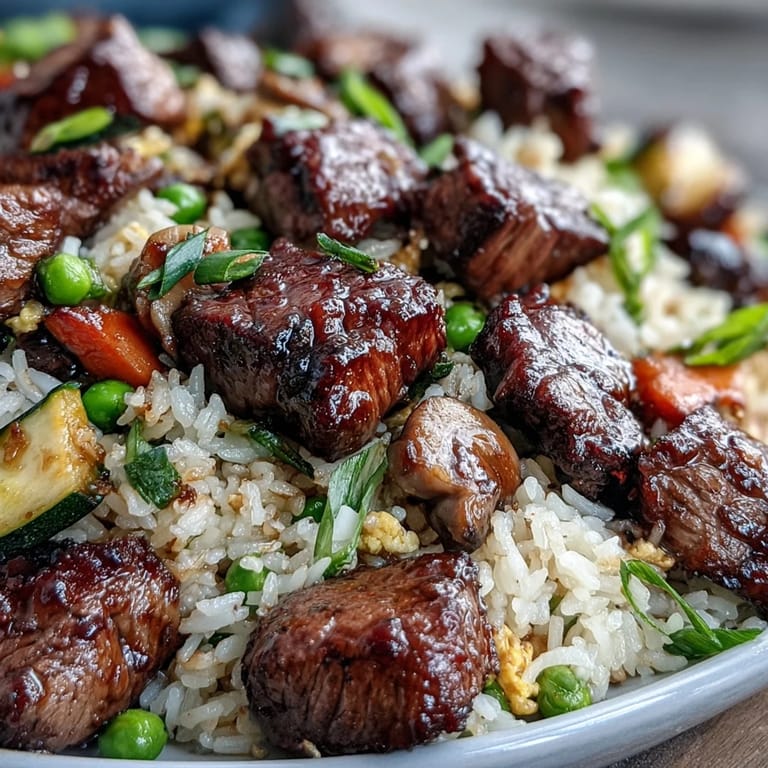
One of my favorite things about this dish is how flexible it is—I've made it with shrimp when I didn't have steak, with chicken when I was trying to be lighter, and even with tofu when my vegetarian friend was coming over. The hibachi flavors work with almost any protein, so don't feel locked into doing steak if you have something else on hand. You can prep all your vegetables the night before and keep them in separate containers, then just cook everything the next evening, which is perfect for weeknight dinners when you're already exhausted.
- Swap the steak for shrimp (cooking for just 1 to 2 minutes) or chicken breast (sliced thin and cooked for 3 to 4 minutes).
- Make it vegetarian by doubling the vegetables and adding extra mushrooms for umami depth.
- Drizzle with yum yum sauce or spicy mayo on the side if you like an extra kick of flavor.
 Pin it
 This recipe became my go-to move for impressing people and feeling like I actually knew what I was doing in the kitchen. Make it once, and you'll understand why it's been on my dinner rotation ever since.
Recipe FAQs
- → What cut of steak works best for hibachi?
Sirloin steak cut into 1-inch cubes works beautifully for hibachi-style cooking. The cubes marinate well, cook quickly, and stay tender. You can also use ribeye, flank steak, or New York strip if preferred.
- → Why use day-old rice for fried rice?
Cold, day-old rice has less moisture content than freshly cooked rice. This prevents mushy texture and helps achieve those signature slightly crispy, separated grains. Fresh rice clumps together when stir-fried.
- → Can I make this dish vegetarian?
Substitute the steak with extra-firm tofu cubes, tempeh, or additional vegetables. Use vegetarian oyster sauce or mushroom sauce instead of fish sauce if your recipe calls for it. The cooking method remains the same.
- → What vegetables can I add to hibachi fried rice?
Classic hibachi vegetables include onions, carrots, zucchini, mushrooms, and peas as listed. You can also add bean sprouts, bell peppers, broccoli florets, cabbage, or snap peas depending on preference and what's available.
- → How do I prevent the steak from getting tough?
Don't overcook the steak—2-3 minutes over medium-high heat is enough for browning while keeping it tender. Cutting against the grain into cubes also helps. Let the marinade work for at least 10 minutes before cooking to enhance tenderness.
- → Can I freeze leftovers?
Yes, hibachi steak and fried rice freezes well for up to 2-3 months. Cool completely, store in airtight containers or freezer bags. Thaw overnight in the refrigerator and reheat in a skillet with a splash of oil to restore texture.