 Pin it
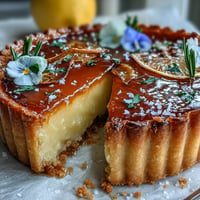
 My grandmother's kitchen smelled like lemon and butter every Easter morning, and honestly, I spent more time watching her hands work than listening to her instructions. Years later, I finally understood why she'd pause before adding the zest, why she'd let that ricotta filling rest just slightly before pouring it into the crust. This Easter Sweet Ricotta Pie isn't fancy or complicated, but it tastes like a kitchen full of people you love gathered around something golden and still warm from the oven.
I made this for my sister's brunch last spring, and she called me three weeks later asking how I'd managed to make ricotta taste like something she'd never encountered before. The truth was simpler than she expected, but watching her face when she took that first bite reminded me why I bother with recipes that require a little patience and attention. It wasn't about impressing anyone; it was about that moment when food becomes a memory.
Ingredients
- All-purpose flour (2 cups for pastry, 2 tbsp for filling): The flour in the crust needs to be cold and handled gently to stay tender, while the flour in the filling acts as a subtle thickener that keeps everything from being too loose.
- Granulated sugar (3/4 cup total for pastry and filling): Sugar sweetens but also helps create that delicate pastry texture when rubbed into the flour and butter, and in the filling it balances the tartness of lemon without overwhelming it.
- Unsalted butter, cold and cubed (1/2 cup): Cold butter is non-negotiable here because it's what gives you those tender, slightly flaky layers in your crust, so don't skip the chilling step.
- Eggs (4 large total: 1 whole plus 1 yolk for pastry, 3 for filling): The egg yolk in the pastry adds richness and helps everything bind, while the eggs in the filling provide structure and that custardy texture.
- Whole milk ricotta cheese, well drained (2 cups): Draining is absolutely essential because ricotta holds water, and if you skip this step you'll end up with a soupy, grainy filling that won't set properly.
- Lemon zest (from 2 lemons): Fresh zest makes all the difference between a decent ricotta pie and one that tastes bright and alive, so use a microplane and don't be shy with it.
- Heavy cream (1/4 cup): Just enough cream adds silkiness to the filling without making it heavy or taking away from that pure ricotta flavor.
- Vanilla extract and lemon juice: Vanilla deepens the flavor beneath everything else, while lemon juice adds acidity that keeps the filling from tasting one-dimensional.
- Salt (1/4 tsp for pastry and filling): Salt in both the pastry and filling does the quiet work of making every other flavor pop without announcing itself.
- Powdered sugar for dusting: A light dusting just before serving adds visual appeal and a gentle sweetness that complements the tartness underneath.
Tired of Takeout? 🥡
Get 10 meals you can make faster than delivery arrives. Seriously.
One email. No spam. Unsubscribe anytime.
Instructions
- Make your pastry base:
- Combine flour, sugar, and salt in a large bowl, then work in the cold cubed butter using your fingertips until everything looks like coarse breadcrumbs. This is where the magic happens, so take your time and keep everything cool as you work.
- Bring the dough together:
- Mix in the whole egg, egg yolk, and vanilla, then add cold water one tablespoon at a time until the dough just comes together. You're looking for a shaggy mass that holds when you press it, not a smooth ball yet.
- Rest and chill the dough:
- Shape the dough into a flat disk, wrap it tightly in plastic, and refrigerate for at least 30 minutes. This rest period is when the gluten relaxes and the butter stays distributed throughout, which means a tender crust later.
- Prepare your oven and pan:
- Preheat to 350°F (175°C) and grease a 9-inch pie or tart pan generously. A light hand with a pastry brush works better than pouring oil, which pools in the corners.
- Roll and fit the pastry:
- On a lightly floured surface, roll the dough to fit your pan, then gently press it into the bottom and up the sides without stretching it. Trim the excess, prick the base with a fork, and chill for another 10 minutes before filling.
- Whisk together the filling:
- In a clean bowl, combine the well-drained ricotta, sugar, eggs, vanilla, lemon zest, lemon juice, flour, salt, and heavy cream, whisking until completely smooth. If you see any grainy bits, pass it through a fine sieve once.
- Fill and bake:
- Pour the ricotta mixture into the chilled pastry shell and smooth the top gently. Bake for 55 to 60 minutes until the filling is set around the edges but still has a slight wobble in the very center.
- Cool completely:
- Let the pie cool on a wire rack to room temperature, then refrigerate for at least 2 hours before slicing. This cooling time is when the filling sets properly and develops its texture.
- Finish and serve:
- Dust generously with powdered sugar just before serving, which adds a beautiful contrast and a light sweetness against the bright filling.
 Pin it
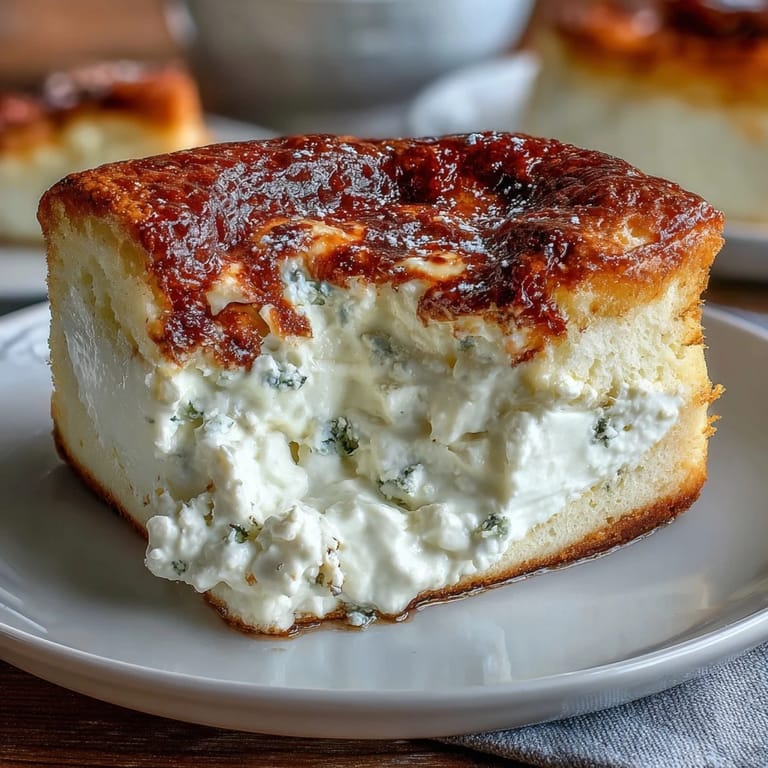
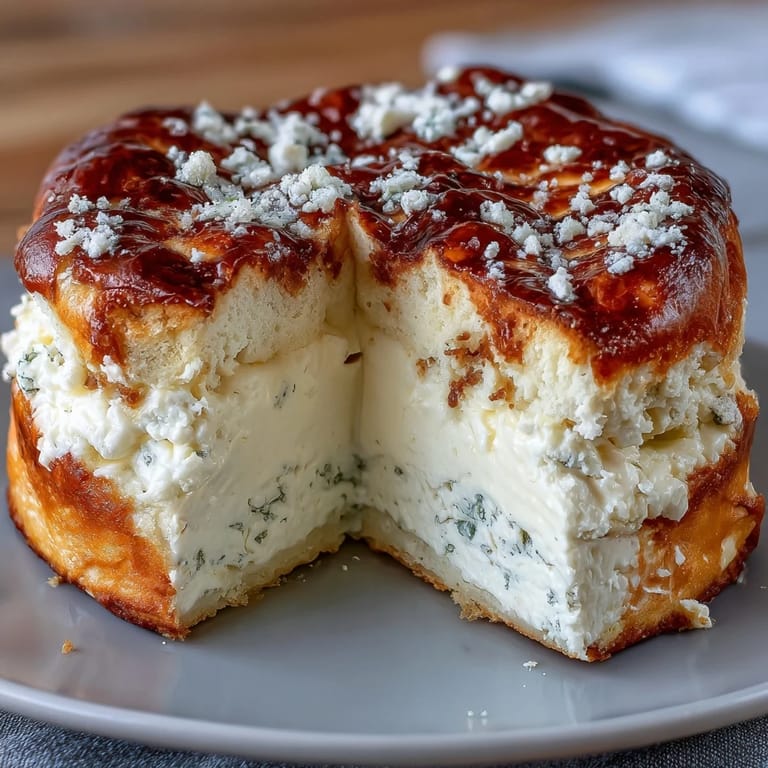
 There's a moment right after you pull this from the oven when your kitchen fills with this incredibly complex smell of lemon, cream, and toasted pastry, and that's when you know you've made something that matters. Even if the crust isn't perfectly even or the filling isn't magazine-perfect, that's the smell of Easter, of family, of something made with your own hands.
The Lemon Question
Lemon can be temperamental in baking because too much makes everything taste like soap, and too little disappears entirely. I learned this after making this pie with half a lemon because I was in a rush, only to have someone ask if I'd forgotten an ingredient. The zest from two medium lemons is the sweet spot, and fresh juice beats bottled every single time because it has brightness that jarred lemon juice simply doesn't carry.
Pastry Crust Secrets
The reason some pastry turns out tender and others taste tough comes down to how much you work the dough after the liquid goes in. I used to overwork mine trying to make it smooth, until a baker friend pointed out that lumps and rough spots in raw dough become flakiness in the oven. Once you've added your water, stop mixing, shape it into a disk, and chill it.
Variations and Moments
This pie adapts beautifully to what you have on hand or what you're craving that week. I've added orange zest alongside the lemon for winter celebrations, scattered fresh berries on top for a summer brunch, and even stirred in a tablespoon of liqueur for a more sophisticated version. Each variation tells a different story about the meal it's part of.
- If you want more pronounced citrus, add orange zest along with the lemon, which adds depth without replacing the main flavor.
- Fresh berries scattered on top just before serving add color and tartness that plays beautifully against the sweetness of the filling.
- A small splash of limoncello or rum stirred into the ricotta filling transforms this into something elegant for evening gatherings.
 Pin it
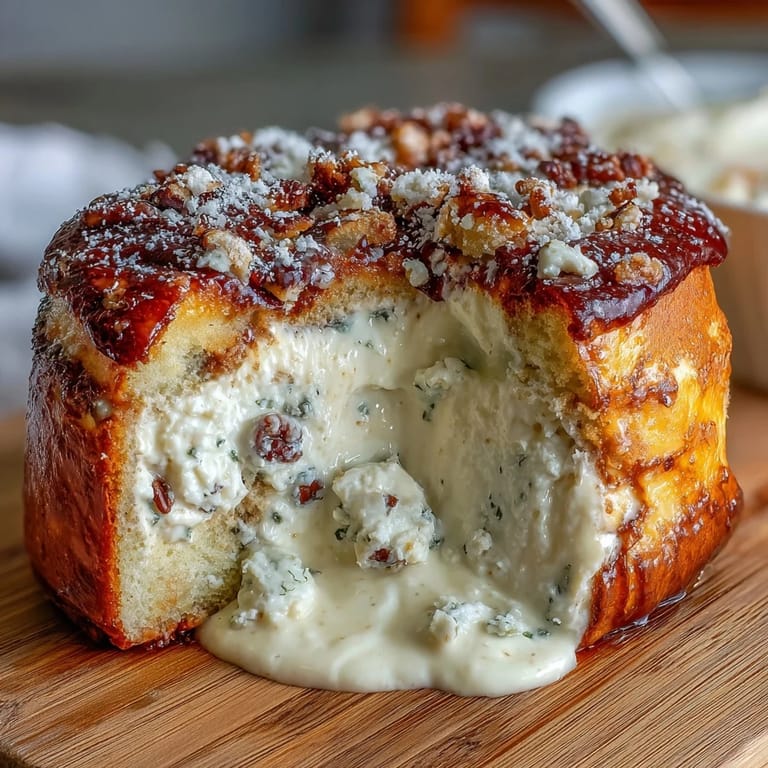
 This pie tastes even better the next day when all the flavors have had time to settle and get to know each other. Serve it cold or at room temperature, dusted with powdered sugar, and watch how quickly it disappears.
Recipe FAQs
- → How do I ensure the ricotta filling is smooth?
Whisk the ricotta thoroughly with sugar, eggs, vanilla, lemon zest, lemon juice, flour, salt, and cream until no lumps remain for a creamy texture.
- → Can I prepare the pie ahead of time?
Yes, chilling the pie for at least two hours after baking helps the filling set and enhances the flavors.
- → What type of pastry works best for this pie?
A tender, flaky pastry made with cold butter, flour, sugar, and a touch of vanilla complements the creamy filling well.
- → How can I intensify the citrus flavor?
Adding a bit of orange zest along with the lemon zest adds a more pronounced and layered citrus aroma.
- → Is there a way to make this dessert gluten-free?
Substitute the all-purpose flour in the pastry with a gluten-free flour blend suitable for baking.