 Pin it
 There are days when the kitchen feels lighter, sunlight filters through the window, and even the flour seems eager for adventure. One spring morning, with the buzz of distant bees and the scent of wildflowers outside, I decided to try dandelion honey in scones. It wasn't a planned experiment—just a whim after spotting a jar on my counter and remembering a friend’s enthusiastic stories about its gentle sweetness. The first batch surprised me so much I nearly burnt my fingers trying to taste them fresh from the oven. Even the dog hovered nearby, nose twitching at the buttery aroma.
I remember serving these warm scones during a rainy afternoon with a mismatched teapot and clotted cream, laughing with friends as we improvised napkins out of kitchen towels. Someone spilled honey on the table, and by the end we agreed they might be the best scones we'd ever tasted—partly thanks to the chaos, partly thanks to the recipe.
Ingredients
- All-purpose flour: I learned early that sifting flour gives these scones their soft crumb—you don't want lumps.
- Granulated sugar: Just a touch helps balance the honey; too much and the floral note gets lost.
- Baking powder: For that satisfying rise and pillowy texture every time.
- Fine sea salt: Don’t skip it—a dash brings out the delicate flavor and keeps things from tasting flat.
- Cold unsalted butter: Cutting in chilled butter is key; it keeps the scones flaky and melt-in-your-mouth.
- Dandelion honey: This is the secret ingredient—its gentle sweetness transforms the scone, but any mild honey works if you’re out.
- Whole milk: Using full-fat milk makes the dough richer and the finished scone luxuriously moist.
- Large egg: Whisking the egg in the wet mix helps bind everything together.
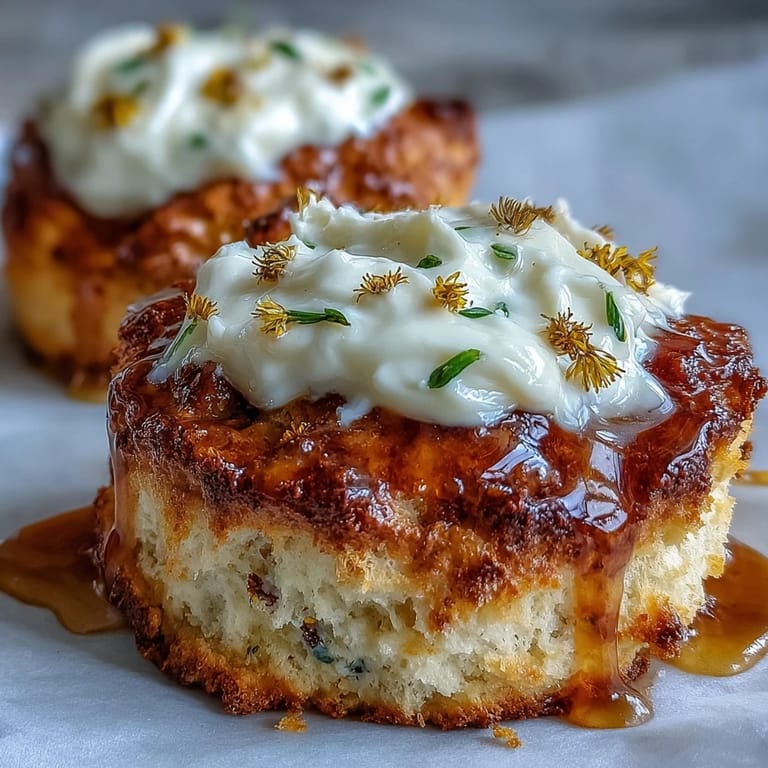
- Clotted cream: I always suggest clotted cream for authenticity, but crème fraîche or mascarpone are decent substitutes.
- Dandelion honey for drizzling: Adds a final shimmer and a burst of flavor when serving.
Tired of Takeout? 🥡
Get 10 meals you can make faster than delivery arrives. Seriously.
One email. No spam. Unsubscribe anytime.
Instructions
- Warm up the oven:
- Switch it on to 400°F (200°C) and line a baking sheet with parchment—no guesswork when it comes to golden bottoms.
- Mix dry magic:
- Whisk flour, sugar, baking powder, and salt. Let the texture be light as pollen—don’t rush this step.
- Butter rub:
- Add cold cubes and work them in with your fingers or a pastry blender. The mix should remind you of coarse breadcrumbs—slightly messy is ideal.
- Liquid blend:
- Whisk honey, milk, and egg together until smooth and fully emulsified. It’s okay if you sneak a taste now.
- Combine gently:
- Pour liquids into the dry bowl. Stir with a fork or spatula, just until the dough forms—avoid overmixing or your scones won’t be as tender.
- Shape and cut:
- Turn the dough onto a floured surface and softly pat it into a 1-inch thick round. Use a 2.5-inch cutter for uniform scones; leftovers can be patched together for rustic charm.
- Final brush:
- Brush the tops with milk for an irresistible golden hue. It only takes a moment, and you’ll see the difference.
- Bake to perfection:
- Slide the tray into the oven and bake 12–15 minutes until the scones are risen and beautifully golden with barely crisp edges.
- Cooling and serving:
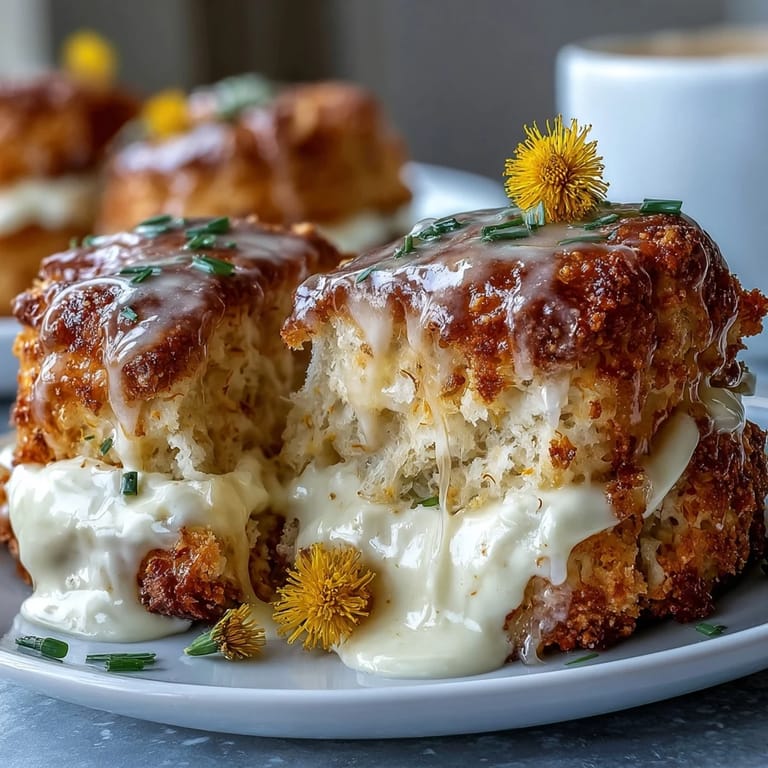
- Let them rest on a wire rack. Serve while still warm, topped with clotted cream and drizzles of honey—they disappear fast.
 Pin it
 One afternoon, after a long walk in the countryside, I made these scones for a neighbor who showed up unexpectedly. We ended up talking well past sunset, the fading light catching on honeyed crumbs, and suddenly the kitchen was filled with more than just food—it felt like the heart of spring itself.
Small Details That Make a Big Difference
I’ve found that sifting the flour not only lightens the dough but also makes mixing less stressful—small moments of care make the final bite special.
Easy Swaps and Flavor Twists
If you’re feeling adventurous, adding dried dandelion petals gives a hint of meadow to the flavor, but lavender or rose petals can work too (just start with a teaspoon).
Making the Most of Fresh Scones
Fresh scones are best enjoyed within a few hours—they’re irresistible when the cream melts slightly against their warmth. If you must store them, keep them in an airtight container and gently reheat before serving.
- Don’t skip the drizzle—it makes each bite sing.
- For even softer texture, try cold butter and cold milk.
- Check baking times closely; a minute too long can dry them out.
 Pin it
 Even on busy days, baking these scones brings a cheerful calm to the kitchen. I hope you find the same happy moments tucked into each slice, whether for tea or a brief escape from routine.
Recipe FAQs
- → Can I substitute clotted cream?
Yes, thick crème fraîche or mascarpone works well as alternatives if clotted cream is unavailable.
- → What does dandelion honey add?
Dandelion honey brings a subtle floral sweetness, elevating classic scones with a unique aroma.
- → How can I enhance the scones?
Add a teaspoon of dried dandelion petals to the dry mix for a distinct floral twist.
- → How should scones be stored?
Keep them in an airtight container for up to 2 days; best served fresh for optimal texture.
- → Are there dietary considerations?
These scones contain wheat, dairy, and egg. Check labels for allergic traces in honey and cream.
- → What tools are needed?
You'll need mixing bowls, a pastry blender, whisk, round cutter, baking sheet, parchment, and pastry brush.