 Pin it
 There's something about baking a lemon drizzle cake that feels like an act of love itself. My mum never made a fuss about Mother's Day, but one year I decided to surprise her with this cake, and the smell of zesty lemon filling our kitchen that morning changed everything. She walked downstairs, stopped mid-step, and just smiled—no words needed. Now whenever I make it, that quiet moment comes rushing back, along with the determination to get it just right.
I made this for my neighbour's birthday last spring, and she cried when she saw it. Not because it was fancy, but because someone had taken the time to make something just for her. We sat in her garden with slices of this cake and cups of tea, and she told me stories I'd never heard before. Food has a way of opening doors like that.
Ingredients
- Unsalted butter (225 g), softened: Softened butter creams into the sugar more easily, creating that light, fluffy base that makes the cake tender. Leave it on the counter for an hour or so—it should feel almost like soft play-dough when you press it.
- Caster sugar (225 g): The fine crystals dissolve smoothly into the butter, unlike granulated sugar which can leave a gritty texture.
- Large eggs (4): Room temperature eggs incorporate more evenly, so take them out of the fridge about 20 minutes before you start.
- Self-raising flour (225 g): This already contains baking powder and salt, which saves a step and keeps the cake light and fluffy.
- Lemon zest from 2 unwaxed lemons: The zest is where all the flavour lives, so don't skip it or go easy—this is what makes the cake sing.
- Whole milk (2 tbsp): Just enough to loosen the batter slightly and ensure the cake doesn't turn out dense.
- Salt (pinch): A tiny pinch actually enhances the lemon flavour and balances the sweetness.
- Lemon juice (from 2 lemons): This must be fresh—bottled juice tastes flat and metallic by comparison.
- Icing sugar (125 g for drizzle, 2 tbsp optional for dusting): Icing sugar dissolves into the lemon juice instantly, creating that silky, soakable glaze.
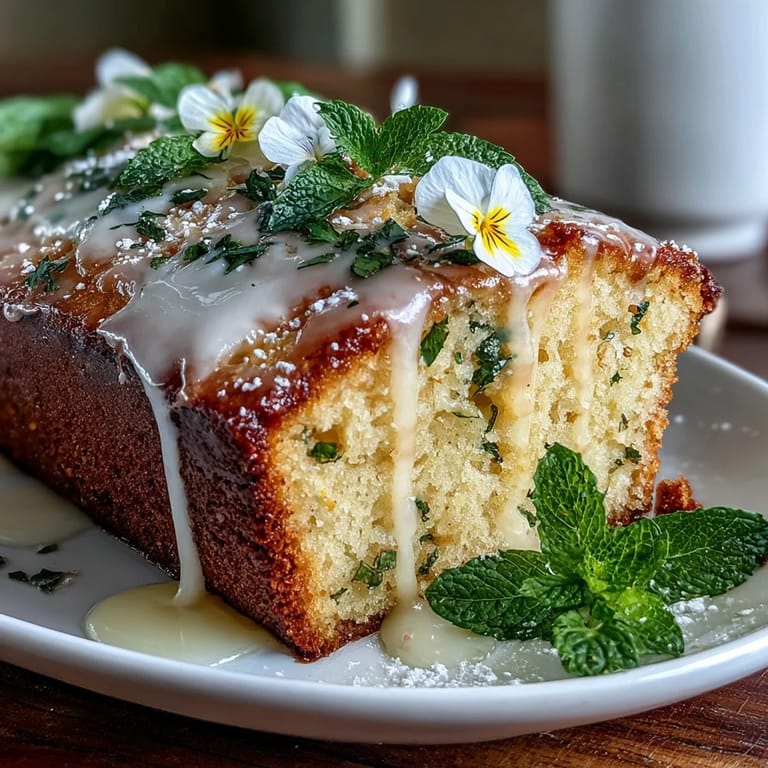
- Edible flowers (violas, pansies, nasturtiums, or rose petals): These are non-negotiable for the look, but make absolutely sure they're pesticide-free and labelled safe for eating.
Tired of Takeout? 🥡
Get 10 meals you can make faster than delivery arrives. Seriously.
One email. No spam. Unsubscribe anytime.
Instructions
- Get your oven and tin ready:
- Preheat the oven to 180°C (160°C fan) / 350°F. Grease your loaf tin generously with butter or a little oil, then line it with parchment paper—this stops the cake sticking to the sides and makes removal so much easier.
- Cream the butter and sugar:
- Beat the softened butter and caster sugar together in a large bowl for about 3 to 4 minutes until it looks pale, light, and fluffy, like clouds. You'll notice it becomes noticeably lighter in colour and texture—this is where the cake gets its tender crumb from.
- Add the eggs carefully:
- Break each egg into a small bowl first to check for shells, then add them one at a time to the butter mixture, beating well after each addition. If the mixture looks a bit curdled or separated, don't panic—a splash of flour will bring it back together.
- Fold in the dry ingredients:
- Gently fold in the self-raising flour, lemon zest, milk, and salt using a spatula or large metal spoon, stirring just until everything is combined. The moment you can't see any white streaks of flour, stop—overmixing makes the cake tough and dense.
- Pour and bake:
- Transfer the batter into your prepared tin and level the top with a spatula. Bake for 40 to 45 minutes until a skewer inserted into the centre comes out clean (a few moist crumbs are fine, but no wet batter).
- Make the drizzle while it bakes:
- Mix the fresh lemon juice and icing sugar in a small bowl, stirring until smooth. This should be pourable but still thick enough to coat the back of a spoon.
- The crucial soaking step:
- While the cake is still warm in the tin, use a skewer to poke holes all over the top—don't be shy, about 20 holes scattered across the surface. Slowly pour the lemon drizzle over the warm cake, letting it soak in gradually, which makes the cake stay moist and flavourful all the way through.
- Cool and decorate:
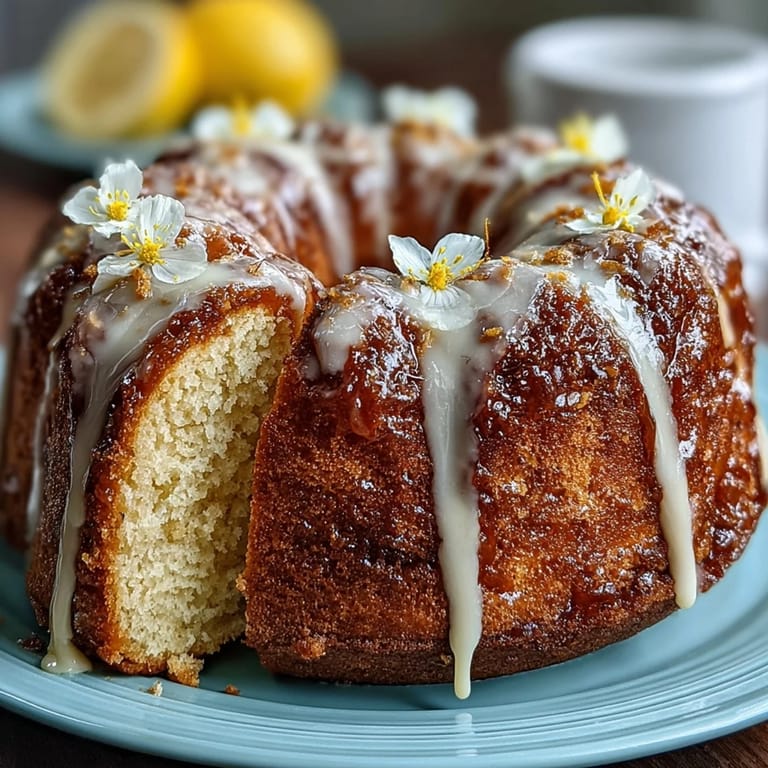
- Let the cake cool completely in the tin (this takes about an hour), then carefully turn it out onto a serving platter. Just before serving, dust lightly with icing sugar if you like, and scatter your edible flowers across the top.
 Pin it
 My daughter once told me this was the cake that tastes like spring, and I think she got it exactly right. There's something about the brightness of lemon mixed with the delicate softness of the flowers that feels celebratory without being over the top. It's the kind of cake that brings people together in the most unassuming way.
Why Fresh Lemons Make All the Difference
Bottled lemon juice tastes nothing like fresh, and once you've made this cake with the real thing, you'll never go back. I learned this the hard way after using concentrate one rainy Tuesday, and the cake tasted vaguely like artificial sweetener instead of bright, zesty lemon. Fresh lemons have oils in the zest and a natural tartness in the juice that no shortcut can replicate. Roll your lemons on the counter with the palm of your hand before zesting—it breaks down the membranes slightly and releases even more flavour.
Timing and Temperature Matter
Baking is honestly the one place in the kitchen where being exact pays off immediately. Room temperature eggs and softened butter don't just make the recipe easier—they actually create a better crumb structure because everything incorporates more evenly. I used to pull cold eggs straight from the fridge and wonder why my cakes were sometimes dense, but once I started letting ingredients come to room temperature, everything changed. The oven temperature matters just as much; if it's too hot, the outside browns before the inside cooks, and if it's too cool, the cake spreads and becomes flat.
Serving Suggestions and Storage
This cake is stunning on its own, but a dollop of whipped cream or crème fraîche alongside a slice makes it feel proper and indulgent. It keeps beautifully in an airtight container for up to four days, which means you can bake it the day before, then do all the decoration and flower arrangement on the morning of. The moist interior actually gets better after a day or two as the flavours settle and deepen.
- Pair it with a cup of Earl Grey tea for an afternoon that feels a bit fancy without trying too hard.
- For a gluten-free version, swap the self-raising flour for gluten-free flour blend plus 1 teaspoon of baking powder, and follow everything else exactly the same.
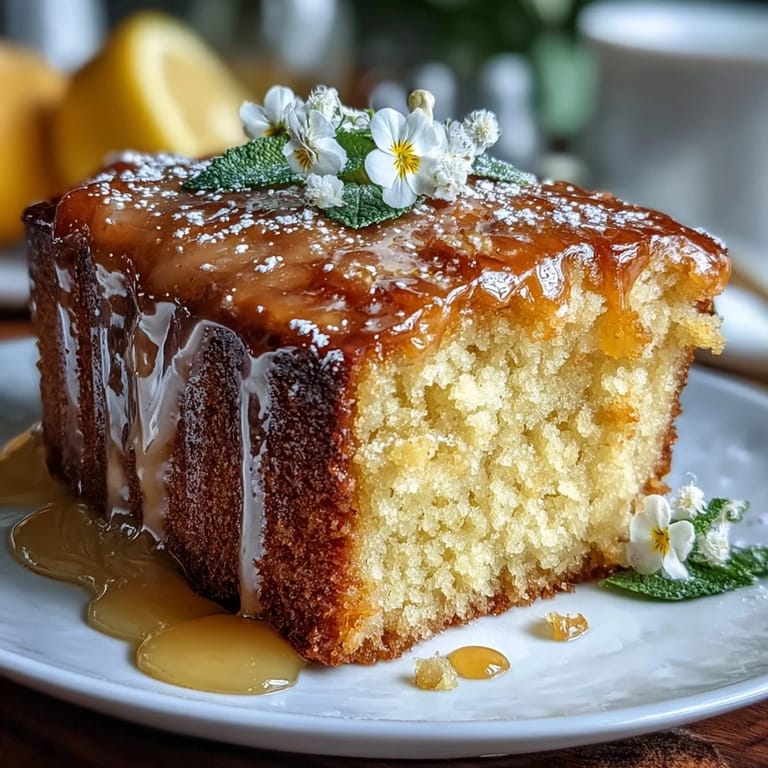
- If you can't find edible flowers, a light dusting of icing sugar and a sprig of fresh mint looks lovely and tastes just as good.
 Pin it
 This cake has been my go-to for every celebration that matters, from Mother's Day to birthdays to just-because afternoons. There's something deeply satisfying about making something this beautiful with your own hands and watching people's faces light up when they taste it.
Recipe FAQs
- → How do I ensure the cake stays moist?
Carefully fold the ingredients without overmixing and pour the lemon drizzle over the cake while still warm to maximize moisture.
- → What types of edible flowers are safe to use?
Use pesticide-free flowers like violas, pansies, nasturtiums, or rose petals specifically marked safe for consumption.
- → Can I make this cake gluten-free?
Yes, substitute self-raising flour with a gluten-free blend plus 1 teaspoon of baking powder for similar texture.
- → What is the best way to apply the lemon drizzle?
Use a skewer to poke holes all over the warm cake, then slowly pour the lemon drizzle on top to let it soak in evenly.
- → How should I serve the cake for extra indulgence?
Serve with a dollop of whipped cream or crème fraîche to complement the zesty tang and floral decoration.