 Pin it
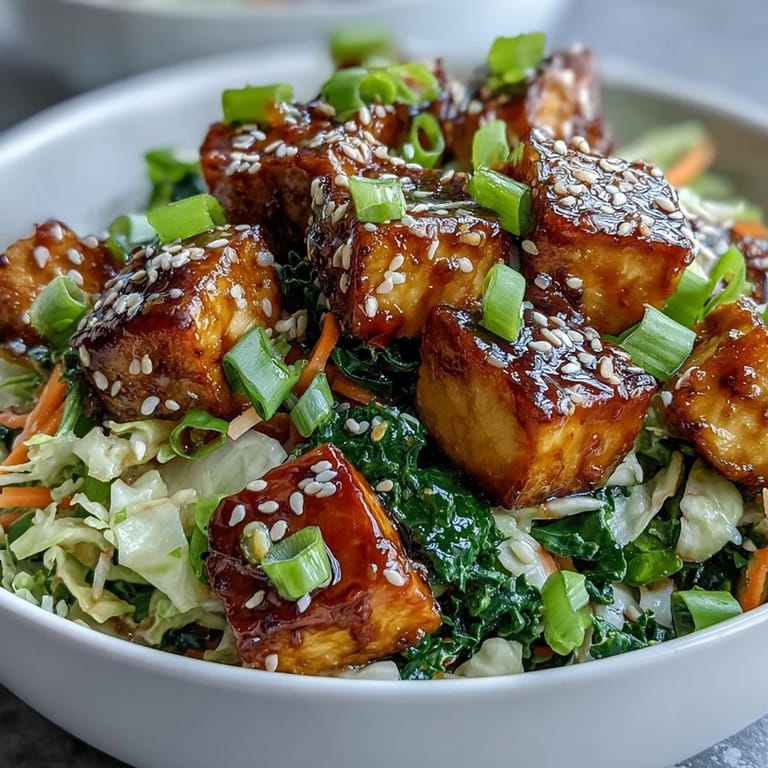
 There was this Tuesday evening when I stood at my stove wondering how to make something feel less like obligation and more like joy—that's when this bowl came together, almost by accident. My friend had just gone vegan, and I didn't want to serve her the same tired veggie plate everyone else had attempted. The egg roll flavors hit me while I was chopping cabbage, and suddenly I was tossing tofu cubes with cornstarch like I'd done it a hundred times before. What emerged was golden, fragrant, and so alive with possibility that I made extra just to eat the leftovers the next day.
I cooked this for my sister on a rainy Sunday when she was stressed about protein intake, and watching her fork into that first bite—the way her shoulders relaxed—I knew this recipe had earned its place in my kitchen rotation. She asked for seconds before finishing the first bowl, and that's the moment I understood this wasn't just food, it was permission to enjoy something that nourished you without apology.
Ingredients
- Extra-firm tofu, pressed and cubed (400 g): Pressing removes moisture so your tofu crisps up golden instead of steaming itself in the pan—don't skip this step, your future self will thank you.
- Cornstarch (1 tbsp): This tiny amount transforms tofu from soft to crispy-edged, creating texture that actually makes you want to chew.
- Neutral oil for cooking (1 tbsp): Use something with a high smoke point so you can get that golden crust without burning the aromatics.
- Green cabbage, thinly sliced (2 cups): The backbone of this dish—it stays slightly sweet and crunchy even after cooking, keeping everything lively.
- Kale, stemmed and sliced (1 cup): I learned to remove those tough stems the hard way, and now the kale actually melts into the sauce instead of fighting your teeth.
- Spinach, roughly chopped (1 cup): This wilts down in seconds, adding iron and a mineral depth that makes the whole bowl feel substantial.
- Carrot, julienned (1 large): Cut thin so it cooks through and adds sweetness without overshadowing the savory sauce.
- Green onions and fresh ginger (3 onions, 1 tbsp ginger): These two wake everything up—they're what make people ask what you did differently.
- Garlic, minced (2 cloves): Toast it briefly in oil so it releases its perfume into the whole dish instead of tasting sharp and raw.
- Low-sodium soy sauce or tamari (3 tbsp): This is your umami anchor—use tamari if gluten is a concern, and don't cheap out on quality here.
- Rice vinegar (1 tbsp): Adds brightness and cuts through the richness of the sesame oil perfectly.
- Toasted sesame oil (1 tbsp): A little goes a long way; this dark, fragrant oil is what makes people think you're a more skilled cook than you actually are.
- Maple syrup or agave (1 tsp): Just enough to balance the vinegar and soy without making this taste like dessert.
- White pepper (1/2 tsp): Ground white pepper blends invisibly and adds heat without visible specks, keeping your bowl visually clean.
- Sesame seeds and chili flakes for garnish: These finish the dish—sesame adds nuttiness, chili flakes give you the option to turn up the heat.
Tired of Takeout? 🥡
Get 10 meals you can make faster than delivery arrives. Seriously.
One email. No spam. Unsubscribe anytime.
Instructions
- Press and prepare your tofu:
- Pat the tofu dry with paper towels, then cut it into cubes about the size of dice. Toss with cornstarch until every piece is lightly coated—this is what creates those golden edges you're after. If you skip pressing, you'll end up with tofu that steams rather than crisps, so give yourself those few minutes.
- Get the tofu golden and crispy:
- Heat your oil in a large skillet or wok over medium-high heat until it shimmers slightly. Add the tofu cubes and let them sit undisturbed for a couple minutes so they brown on one side, then turn and repeat until all sides have that satisfying golden crust, about 6–8 minutes total. This step takes patience, but it's what separates this from a sad vegetable stir-fry.
- Build your aromatics:
- Remove the tofu and set it on a plate. In the same pan, add your minced garlic, grated ginger, and sliced green onions—let them sizzle for just a minute until the smell fills your kitchen and you know you're on the right track. This brief toast releases their essential oils into the oil.
- Add vegetables and let them soften slightly:
- Toss in your sliced cabbage, stemmed kale, and julienned carrot all at once. Stir-fry for 3–4 minutes, keeping the heat high enough that you hear that satisfying sizzle but low enough that nothing burns. You're aiming for tender but still bright—if the vegetables start turning dull, you've been too aggressive.
- Wilt the spinach into the mix:
- Add your chopped spinach and cook for just one more minute until it collapses into the other vegetables. The heat carries it all together without cooking out the color or the life.
- Make your sauce and bring it all home:
- In a small bowl, whisk together your soy sauce, rice vinegar, sesame oil, maple syrup, and white pepper. Return the crispy tofu to the pan, pour the sauce over everything, and toss gently but thoroughly for about 2 minutes until the sauce coats every ingredient and the whole pan is fragrant and steaming. Taste and adjust if you want—more vinegar for brightness, more soy for depth.
- Finish and serve:
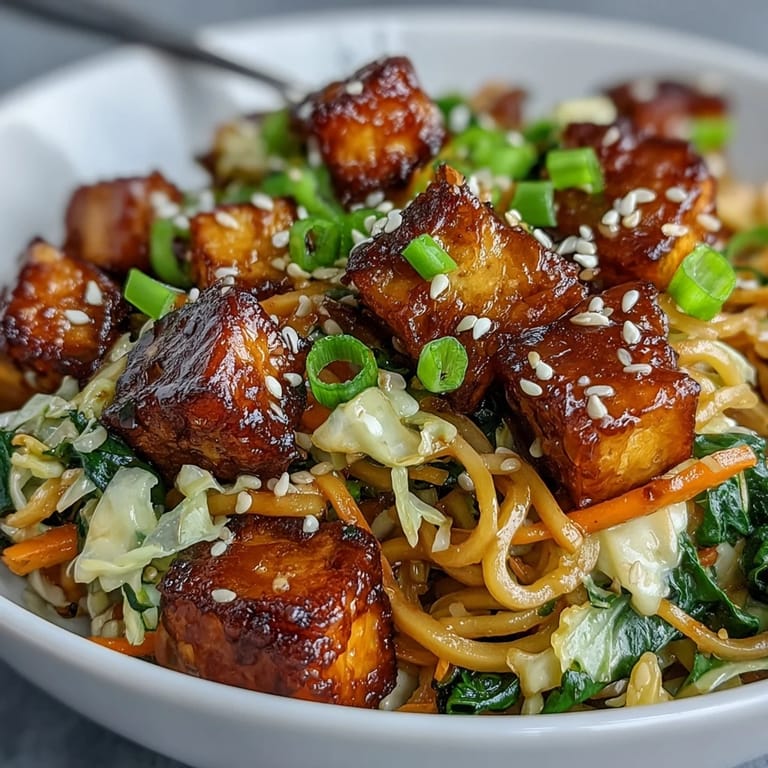
- Transfer to bowls and crown with sesame seeds, more green onions, and chili flakes if heat appeals to you. Serve immediately while everything is warm and the tofu is still crispy.
 Pin it
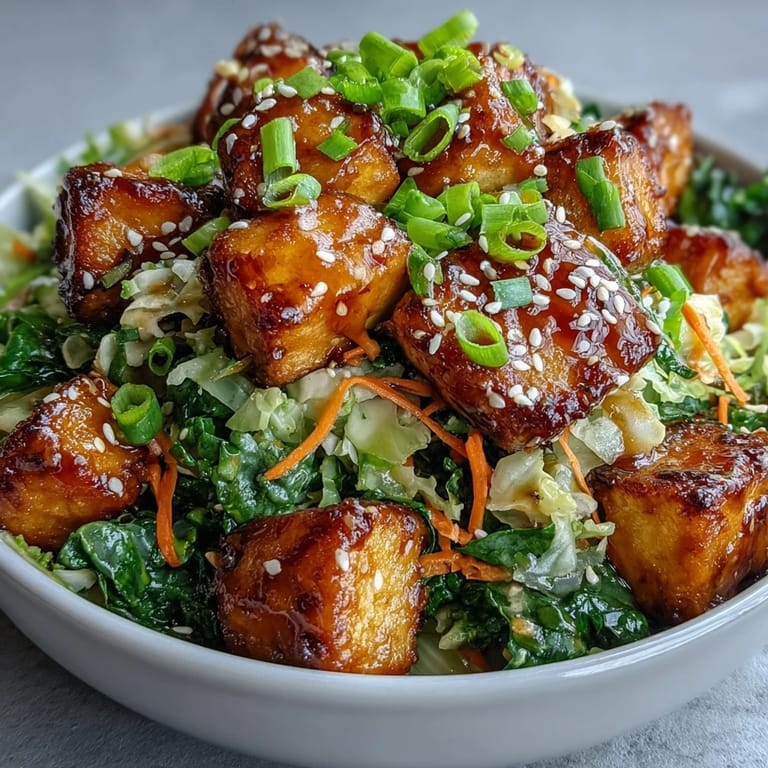
 This bowl has become my go-to when I need to prove to myself that eating well doesn't require fancy ingredients or hours in the kitchen. Every time I make it, I notice something different—maybe it's how the sesame oil catches the light, or how much more satisfied I feel compared to takeout that costs three times as much. It's become the meal I make when I want to feel capable and present, and that matters more than any nutritional stat.
Making This Bowl Work for Your Pantry
One of the best things about this recipe is how forgiving it is with substitutions. I've swapped the kale for bok choy when that's what I had on hand, used napa cabbage for a lighter crunch, and even thrown in broccoli florets when I was getting too comfortable with the familiar vegetables. Brown rice, quinoa, or rice noodles transform this from a side into a complete meal, and I've found that adding cooked grains makes the sauce stretch further if you're feeding more people than expected.
The Texture Game
What makes this bowl feel special instead of just virtuous is the play between textures—crispy tofu, tender vegetables, the slippery coat of sauce, then that final crunch of sesame seeds. I learned early on that rushing through the tofu-crisping step meant the whole dish lost its appeal, so now I'm intentional about medium-high heat and patience. The vegetables need to stay vibrant and slightly resistant, not soft and surrendered, which is why I keep the cooking time tight and my heat honest.
Customizing for Your Palate and Dietary Needs
This bowl respects dietary boundaries without asking for substitutions to feel like punishment. The gluten-free swap to tamari is seamless, the vegan profile is built in, and the protein hits 17 grams per serving which keeps you satisfied through an afternoon of work or studying. You can amp up the garlic and ginger if you like aggressive flavors, dial back the white pepper if heat isn't your thing, or add sriracha or hot sauce at the table if you want spice without committing to it in the pan.
- Extra crunch comes from crushed peanuts, crispy wonton strips, or even toasted pine nuts scattered on top.
- Make the sauce richer by adding a teaspoon of peanut butter if you want to bridge toward more traditional Chinese flavors.
- Double the sauce recipe if you're adding grains—they'll soak it up eagerly and transform this into something even more satisfying.
 Pin it
 This bowl became my answer to the question I kept asking myself: how do I eat in a way that feels good in my body and brings me pleasure at the same time? Every time I make it, I'm reminded that those two things aren't opposing forces. This is the kind of cooking that builds confidence, nourishes genuinely, and tastes like you put real thought into dinner.
Recipe FAQs
- → How do I get crispy tofu?
Press the tofu well to remove excess moisture, then coat cubes evenly in cornstarch before pan-frying. Cook over medium-high heat for 6-8 minutes until golden on all sides.
- → Can I make this ahead?
Yes, prepare components in advance. Store vegetables and sauce separately, then quickly stir-fry when ready to serve. Tofu is best freshly crisped but can be reheated.
- → What grains work well?
Brown rice, quinoa, or rice noodles make excellent additions. Cook grains separately and either serve alongside or toss everything together for a heartier bowl.
- → Is this gluten-free?
Yes, simply use tamari instead of soy sauce. Always check labels on all condiments to ensure they meet your dietary needs.
- → Can I use different vegetables?
Absolutely. Bok choy, napa cabbage, bell peppers, or snap peas work wonderfully. Maintain similar total quantities and adjust cooking times as needed.
- → How spicy is this dish?
The base version is mild with white pepper providing gentle warmth. Add chili flakes as garnish to increase heat according to your preference.