 Pin it
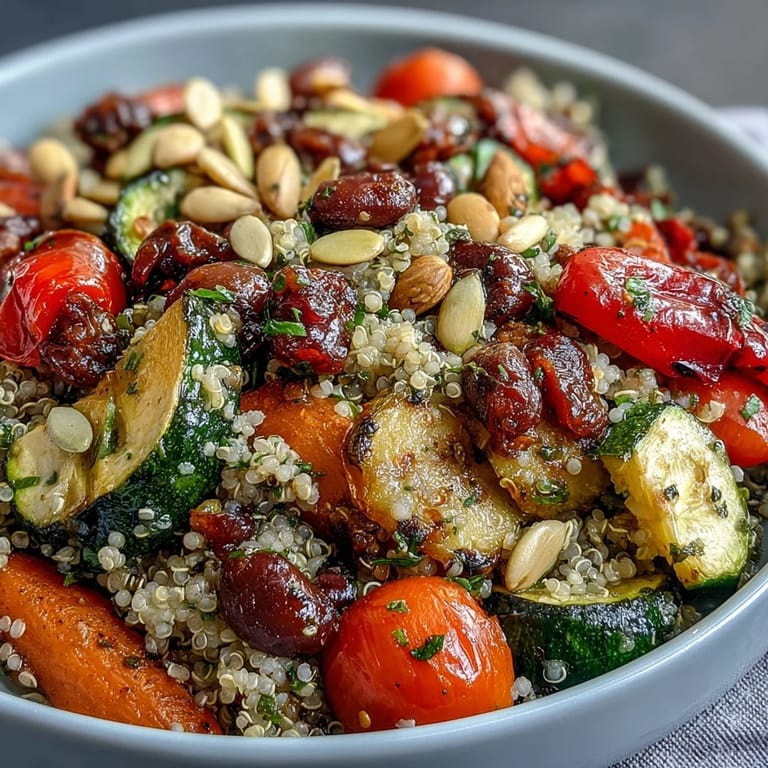
 There's something almost meditative about the way a bowl comes together when you're not rushing. I was standing in my kitchen on a Tuesday afternoon, watching the oven light flicker as vegetables began to caramelize, and it hit me that this simple arrangement of colors and textures had become my go-to answer whenever someone asked what I eat to actually feel good. No complicated techniques, just honest ingredients doing their thing.
My friend Sarah came over last week saying she was tired of eating the same salads, and I made her this bowl while we caught up. She went quiet for a second after the first bite, then said, "This is what I've been missing," and honestly, that small moment made the whole thing worthwhile. It's become her Thursday lunch now.
Ingredients
- Quinoa, rinsed: Rinsing gets rid of the bitter coating, which makes all the difference in how fluffy and actually pleasant it tastes.
- Water or vegetable broth: Broth adds subtle flavor without trying too hard, but water works fine if that's what you have.
- Red bell pepper, diced: The sweetness that appears when peppers roast is something I never expect until I taste it again.
- Zucchini, sliced: Cut them thick enough that they don't disappear into nothing in the oven.
- Carrot, sliced: Thin slices mean they'll actually finish cooking at the same time as everything else.
- Red onion, cut into wedges: Wedges hold together better and get those caramelized edges that make people wonder what you did differently.
- Cherry tomatoes, halved: They burst slightly and almost turn into sauce by themselves.
- Olive oil for roasting: Use something decent but not your most expensive bottle, save that for the vinaigrette.
- Dried oregano: A teaspoon isn't much, but it's enough to tie the roasted vegetables together.
- Black beans or chickpeas, drained and rinsed: Rinsing canned beans removes that starchy liquid that nobody needs.
- Roasted almonds or walnuts, chopped: The crunch is essential; it's what makes you actually feel satisfied when you eat this.
- Pumpkin seeds: They add a different kind of crunch and a subtle earthiness that almonds don't give you.
- Extra virgin olive oil for the vinaigrette: This is where you use the good stuff because you can actually taste it.
- Fresh lemon juice: Bottled works in a pinch, but fresh makes a real difference in how bright everything tastes.
- Dijon mustard: It acts like an invisible thickener and brings everything together.
- Maple syrup or honey: Just a teaspoon rounds out the sharp lemon without making it sweet.
- Garlic clove, minced: Small but mighty in how it shifts the entire flavor profile.
Tired of Takeout? 🥡
Get 10 meals you can make faster than delivery arrives. Seriously.
One email. No spam. Unsubscribe anytime.
Instructions
- Heat your oven and prep the vegetables:
- Get the oven to 425°F because a hot oven is what actually creates those caramelized edges that make roasted vegetables taste like something special. Toss your diced bell pepper, sliced zucchini, carrot slices, red onion wedges, and halved cherry tomatoes in a bowl with 2 tablespoons of olive oil and your seasonings until everything is evenly coated.
- Arrange and roast:
- Spread everything out on a baking sheet in a mostly single layer, which sounds fussy but actually matters because crowded vegetables steam instead of roast. Stir them halfway through so the pieces that were touching the pan get a turn, and you'll know they're done when the vegetables are tender and the edges look golden.
- Cook the quinoa while vegetables roast:
- Combine your rinsed quinoa with water or broth in a saucepan and bring it to a boil, then immediately drop the heat and cover it. Let it simmer for 15 minutes without lifting the lid, then turn off the heat and let it sit covered for another 5 minutes before fluffing with a fork.
- Whisk together the vinaigrette:
- In a small bowl, combine your good olive oil, fresh lemon juice, Dijon mustard, maple syrup, and minced garlic, whisking until it's combined and emulsified. Taste it and adjust the salt and pepper until it feels balanced.
- Assemble each bowl:
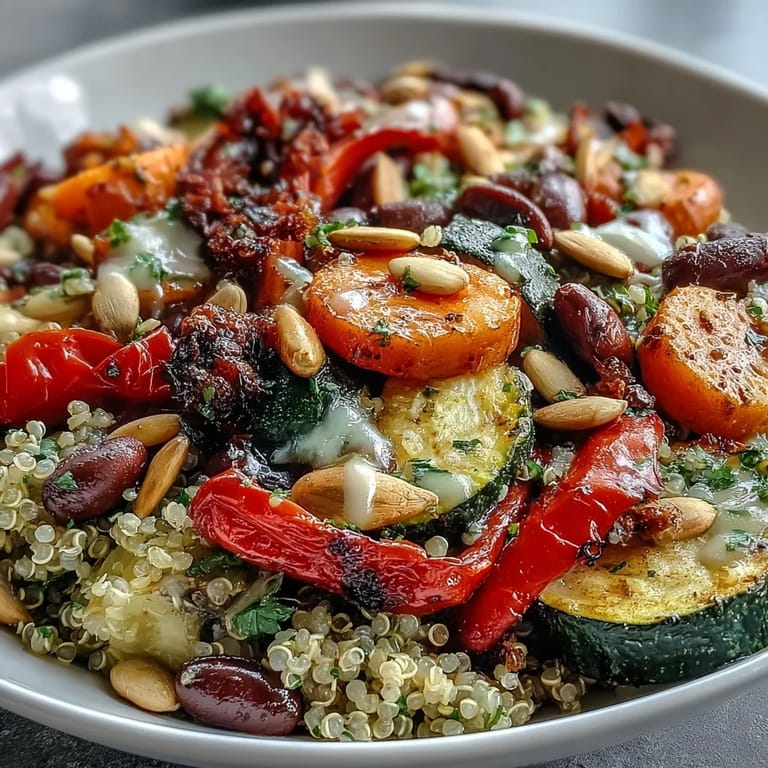
- Start with a bed of fluffy quinoa in each bowl, then add your warm roasted vegetables on top, scatter your beans around, then finish with the nuts and seeds. Drizzle the vinaigrette over everything just before eating so it doesn't make the nuts soggy.
 Pin it
 There's something about eating from a bowl that feels slower and more intentional than other meals. You're not just eating lunch; you're arranging color and texture on a plate and actually noticing what you're putting in your body.
Why Roasting Makes Everything Better
I used to steam vegetables until they were soft and sad, and I wondered why my bowls felt boring. Then someone suggested roasting instead, and suddenly the same vegetables tasted completely different. The dry heat of the oven concentrates the natural sugars, the edges get crispy, and flavors deepen in ways steaming never achieves.
Storing and Repurposing Leftovers
This bowl actually gets better when you make it ahead because the flavors have time to settle into each other. Keep the components separate in the fridge if you're planning to eat it over a few days, then assemble when you're ready. I've taken this to work cold on days when I know I'll forget lunch, and it's honestly more satisfying than a lot of hot meals.
Creative Swaps and Additions
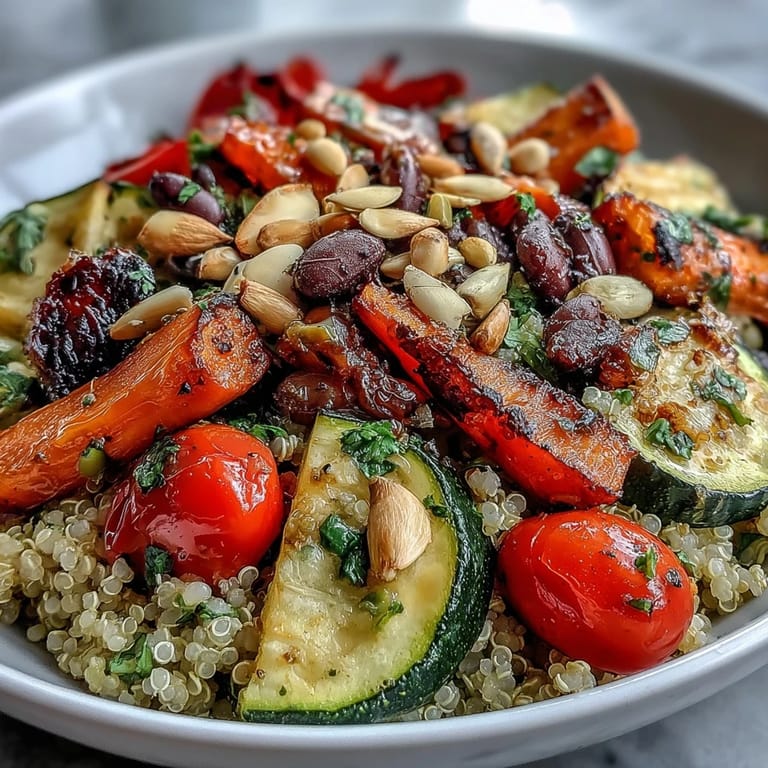
The beauty of this bowl is that it's flexible without becoming chaotic. I've used roasted sweet potato when I had it, swapped in cannellini beans when black beans were out, and honestly the bowl works with whatever you have on hand. The structure stays the same: grain, vegetables, protein, crunch, and a dressing that ties it all together.
- Grilled tofu or a poached egg adds protein without changing the overall balance of the bowl.
- Any seasonal vegetable works as long as you cut it to cook evenly with everything else.
- If you want to make it vegan, just use maple syrup instead of honey in the vinaigrette.
 Pin it
 A good bowl shouldn't feel like you're being virtuous by eating it; it should taste genuinely good and leave you actually satisfied. This one does both.
Recipe FAQs
- → Can I customize the vegetables in this bowl?
Absolutely. Swap in any seasonal vegetables you prefer such as sweet potato, broccoli, cauliflower, or eggplant. The roasting method works well for most vegetables.
- → How long does this power bowl keep in the refrigerator?
The assembled bowl keeps well for 3-4 days when stored in an airtight container. For best results, store the vinaigrette separately and dress just before serving.
- → What can I use instead of quinoa?
Try other grains like brown rice, farro, bulgur, or couscous. Adjust cooking time according to grain package instructions.
- → Is this bowl suitable for meal prep?
Yes. Roast vegetables and cook quinoa in advance. Store components separately in the refrigerator and assemble when ready to eat. The vinaigrette keeps for up to a week.
- → How can I add more protein to this bowl?
Include grilled tofu, tempeh, a poached egg, or grilled chicken. You can also increase the beans or add hemp seeds for additional plant-based protein.
- → Can this be made completely vegan?
Yes. Simply use maple syrup instead of honey in the lemon vinaigrette. All other ingredients are naturally plant-based.