 Pin it
 My cousin called me in a panic two weeks before her graduation, asking if I could make a cake worthy of the moment. I'd never attempted a two-tier cake before, but something about her voice—that mix of excitement and nervousness—made me say yes without hesitation. That evening, I stood in my kitchen sketching out tiers on a napkin, imagining how those playful balloon toppers would catch the light during the celebration. It felt like more than baking; it felt like being part of her milestone.
I remember standing back after stacking those tiers, my hands shaking a little as I placed the first balloon topper. My cousin's younger brother wandered into the kitchen, took one look, and said, "That's actually perfect," which somehow meant more than any compliment ever could. That cake became the centerpiece of her party—not just decoration, but proof that someone believed in her achievement enough to get the flour under their fingernails.
Ingredients
- All-purpose flour (4 1/2 cups): The backbone of your sponge, and room-temperature eggs plus room-temperature butter will help it mix into a tender crumb rather than a dense one.
- Baking powder (3 1/2 tsp): This is your lift—don't skip sifting the powdered sugar and don't overbake, or the rise will collapse.
- Unsalted butter (1 1/2 cups for cake, 2 cups for frosting): Softness matters here; cold butter won't cream properly, leaving you with a greasy frosting that won't hold its shape between tiers.
- Granulated and powdered sugar: The granulated sugar creams into the butter for lift, while the powdered sugar smooths into frosting like velvet if you sift it first.
- Eggs and milk (room temperature): Cold ingredients seize the batter; room temperature means they blend seamlessly into that silky batter texture.
- Vanilla extract (2 tbsp for cake, 2 tbsp for frosting): Pure vanilla tastes like celebration; don't reach for the imitation on a day this important.
- Balloon cake toppers: Store-bought ones save time, but I've found that homemade toppers using food-safe sticks and pastel balloons in the graduates colors add a personal touch that guests remember.
Tired of Takeout? 🥡
Get 10 meals you can make faster than delivery arrives. Seriously.
One email. No spam. Unsubscribe anytime.
Instructions
- Set yourself up for success:
- Preheat to 350°F and line all four pans with parchment—grease and flour work too, but parchment guarantees clean edges. Have everything at room temperature before you begin, especially butter, eggs, and milk; this single habit prevents lumps and ensures even baking.
- Build the dry foundation:
- Whisk flour, baking powder, and salt together in a medium bowl. This aerates the flour and distributes the baking powder evenly, which means your cakes will rise predictably.
- Cream butter and sugar until fluffy:
- Beat for 3 to 5 minutes until the mixture looks pale and holds peaks when you lift the beaters. You're essentially whipping air into the butter, which helps the cakes rise and stay tender.
- Add eggs one at a time with patience:
- Drop each egg in and beat well before adding the next; rushing this step can cause the mixture to curdle and split. Mix in the vanilla extract, and at this point your batter should look thick and creamy.
- Alternate dry and wet ingredients gently:
- Begin with dry mixture, then milk, then dry again—this keeps the batter from becoming overworked and tough. Mix on low speed until just combined; a few flour streaks are fine, but overmixing toughens the crumb.
- Fill pans and prepare for baking:
- Divide batter evenly between the two 8-inch pans and two 6-inch pans. Tap each pan gently on the counter a few times to release trapped air bubbles, which otherwise create tunnels.
- Bake with attention:
- The 8-inch cakes need 35 to 40 minutes, while the 6-inch cakes bake in 25 to 30 minutes; they're done when a toothpick inserted in the center comes out clean or with just a crumb or two. Set a timer and check at the lower end of the range, as ovens vary.
- Cool cakes with care:
- Let them rest in the pans for 10 minutes so they firm up enough to turn out without tearing, then transfer to wire racks to cool completely. This prevents condensation from making the tops soggy.
- Make the buttercream:
- Beat butter until pale and creamy, then gradually add sifted powdered sugar in batches, beating between each addition. Add vanilla, salt, and milk a tablespoon at a time until the frosting reaches spreadable consistency—thick enough to hold shape but soft enough to swirl.
- Level and layer the 8-inch cakes:
- If cake tops have peaked, slice them level with a serrated knife or cake leveler. Place one layer on your cake board, spread a thick layer of buttercream, then top with the second cake layer.
- Repeat for the 6-inch cakes:
- Level these too, then layer with buttercream the same way. You now have two separate tiered cakes ready for frosting.
- Apply a crumb coat:
- Spread a thin layer of buttercream over each cake to seal in crumbs, then refrigerate for 20 minutes. This step prevents crumbs from muddying your final frosting coat.
- Frost both cakes smoothly:
- Apply the remaining buttercream generously to each cake, using an offset spatula to smooth it into a neat finish. A cake turntable helps here, but a steady hand works too.
- Stack with confidence:
- Place the 6-inch tier centered on top of the 8-inch tier. If you're worried about stability, insert dowels or straws into the bottom tier first—trim them flush with the cake surface so they don't poke through the upper tier.
- Crown with celebration:
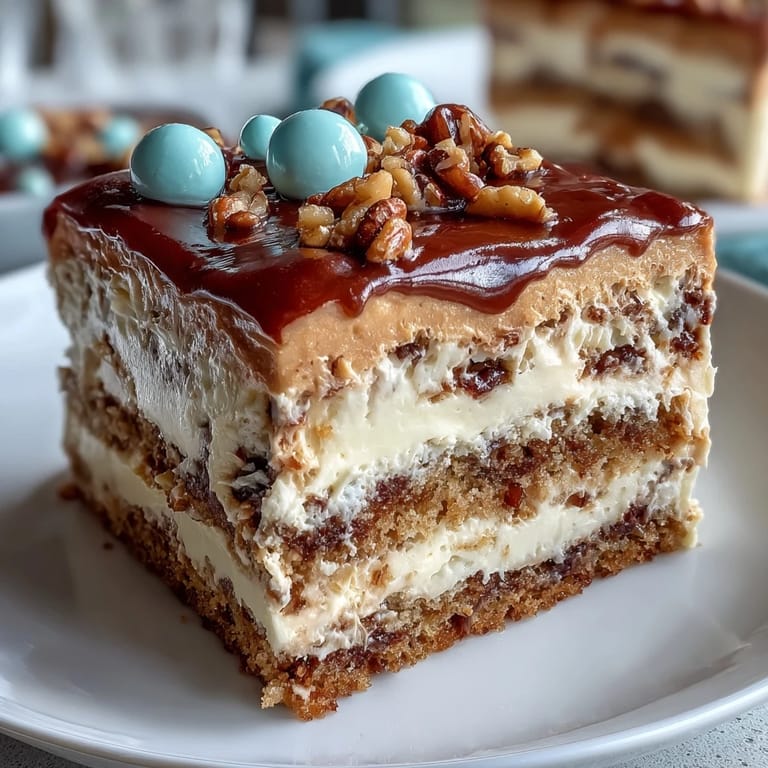
- Arrange balloon toppers on the cake and scatter edible confetti or sprinkles around them. Step back and admire your work; you've just created something that feels both elegant and joyful.
 Pin it
 My cousin told me later that cutting into that cake at her party felt ceremonial, like she was opening a gift. She saved the top tier in her freezer and ate it on her first day of her new job, a little reminder that someone believed in her before she believed in herself.
Flavor Variations Worth Trying
The vanilla base is classic, but I've learned that small flavor tweaks make this cake feel personalized. Adding a teaspoon of lemon extract or almond extract to the batter brings brightness without overpowering the vanilla. For graduates who love citrus, a thin layer of lemon curd between the cake and buttercream turns elegant into unforgettable.
Timing and Make-Ahead Strategy
If you're baking the day before the celebration, you'll find that the cake actually improves overnight—the crumb settles and flavors deepen. Bake the cakes completely, wrap them unfrosted in plastic wrap, and store at room temperature. The morning of your event, make the buttercream, frost, stack, and decorate; this gives you a sense of calm instead of panic.
Decorating Beyond the Balloons
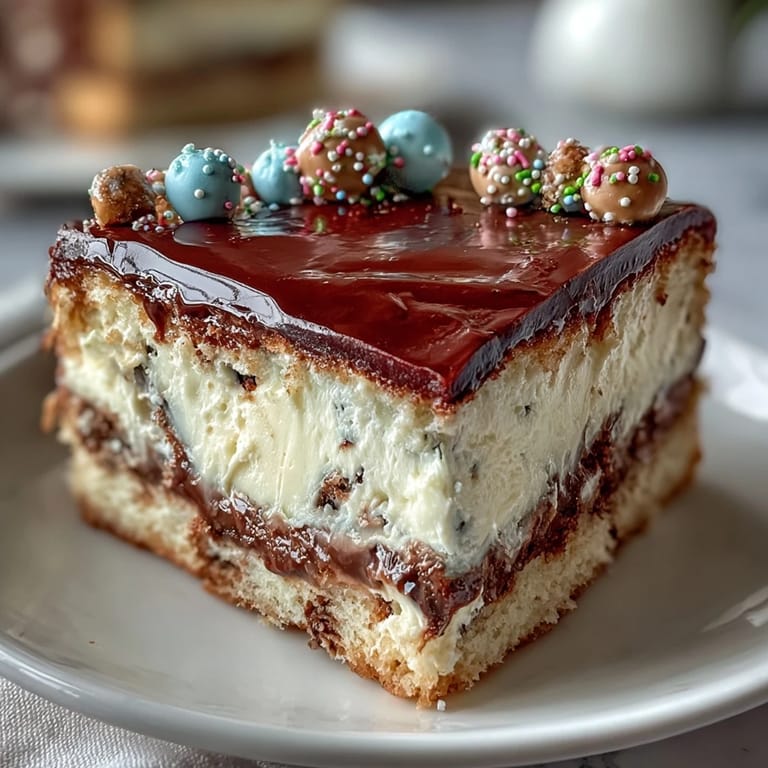
Those balloon toppers are your stars, but the rest of the cake is a canvas for personalization. Piping the graduates initials or school colors onto the frosting takes five minutes with a piping bag and adds immense charm. Edible pearls or gold leaf pressed into the frosting between the tiers elevates the look from cheerful to sophisticated, and because the balloons already do the celebrating, these quiet touches feel right.
- If you're nervous about piping, a simple border of small dots around the base of each tier looks polished and requires no steady hand.
- Tie a ribbon around the cake board's edge in school colors, which costs almost nothing but ties the entire presentation together.
- Let the frosting set for 15 minutes before adding delicate decorations so they don't sink or slide.
 Pin it
 This cake isn't just about feeding a crowd; it's about marking a moment. Every time you frost a layer or place a balloon topper, you're saying, "You did it, and I'm proud."
Recipe FAQs
- → What type of flour is best for the vanilla sponge?
All-purpose flour provides the right balance of structure and tenderness for a moist vanilla sponge.
- → How do I ensure the cake layers bake evenly?
Use properly greased and lined pans, and bake 8-inch and 6-inch layers separately at 350°F, checking doneness with a toothpick.
- → What is the purpose of the crumb coat?
A thin crumb coat seals in crumbs and moisture, providing a smooth surface for final frosting.
- → Can I customize the buttercream color?
Yes, gel food coloring can be added to achieve colors matching any celebration theme.
- → How should the balloon toppers be handled?
Use food-safe sticks for balloon toppers, arranging them carefully to enhance the festive look without damaging the cake.